“그녀는 슬퍼 보인다”가 평면적인 AI 표정을 만드는 이유
감정 단어는 상태를 설명합니다. 영상에는 변화가 필요합니다.
프롬프트가 처음부터 끝까지 “매우 슬프다”로만 구성되면 Seedance 2.5는 시간에 따라 눈썹, 눈꺼풀, 입, 호흡, 자세를 바꿀 분명한 이유를 갖지 못합니다. 결과가 시각적으로 매력적일 수는 있지만 얼굴은 종종 하나의 표정에 고정됩니다.
평면적인 감정 영상을 만드는 대표적인 프롬프트 실수는 세 가지입니다:
감정은 이름 붙이지만 눈에 보이는 신체적 효과는 설명하지 않습니다.
캐릭터가 첫 1초에 최대 강도에 도달해 감정의 진행이 사라집니다.
걷기, 대사, 손동작, 카메라 이동, 배경 사건이 얼굴과 주의를 경쟁합니다.
추상적인 지시를 관찰 가능한 행동으로 바꾸세요:
| 약한 지시 |
더 나은 가시적 지시 |
| 그녀는 매우 슬퍼 보인다. |
그녀의 안쪽 눈썹이 올라가고 아래 눈꺼풀이 조여지며 입술은 꾹 다물려 있다. |
| 그는 수줍어한다. |
그는 시선을 내리고 어깨를 안쪽으로 움츠리며 공책을 쥔 손가락에 힘을 준다. |
| 그녀는 울기 시작한다. |
먼저 눈물이 맺히고, 그녀가 침착함을 유지하지 못한 뒤에야 한 방울이 떨어진다. |
| 그는 긴장해 있다. |
그는 침을 삼키고 얕게 숨을 쉬며 잠시 눈을 피한다. |
| 그녀는 화가 나 있다. |
그녀의 시선이 굳어지기 전에 턱이 조여지고, 억제된 호흡과 함께 한쪽 콧구멍이 넓어진다. |
핵심은 간단합니다. 캐릭터만 느낄 수 있는 것이 아니라 카메라가 볼 수 있는 것을 묘사하세요.
Seedance 2.5를 위한 감정 연기 공식
신뢰할 수 있는 표현력 있는 영상 프롬프트는 일곱 부분으로 구성됩니다:
감정적 촉발 요인

+ 반응을 억누르려는 시도

+ 무의식적으로 새어 나오는 표정

+ 호흡과 신체 반응

+ 시간에 따른 고조

+ 절제된 회복

+ 카메라와 연속성 제약
저항은 대부분의 프롬프트가 놓치는 부분입니다. 즉시 울거나 얼굴을 붉히거나 소리치는 캐릭터는 감정을 보여 주는 것입니다. 반응을 막으려다 실패하는 캐릭터는 감정을 연기하는 것입니다.
예를 들어 “짝사랑이 들키자 그의 얼굴이 빨개진다”라고만 쓰지 마세요. 그는 침착해 보이고 싶다는 상반된 의도를 갖게 하세요. 이러한 저항은 시선 회피, 늦게 번지는 홍조, 말을 꺼내려다 실패하는 순간, 긴장한 손가락, 억눌린 미소를 만들어 냅니다. 이런 작은 반응이 더 큰 감정을 믿을 수 있게 만듭니다.
모든 단계에 가능한 단서를 전부 쌓지 마세요. 감정의 각 박자마다 표정 동작 두세 개, 호흡 반응 하나, 작은 신체 동작 하나를 선택하세요. 지시가 많아지면 현실감보다 충돌이 커질 수 있습니다.
감정을 눈에 보이는 표정 동작으로 바꾸기
이 표를 지시 라이브러리로 활용하세요. 행 전체를 복사하기보다 장면에 맞는 단서를 선택하세요.
| 감정 |
눈과 눈썹 |
입과 턱 |
호흡과 신체 |
| 눈물을 참음 |
촉촉해진 아래 눈꺼풀, 서서히 올라가며 모이는 안쪽 눈썹 |
입술을 다물고 아랫입술이 떨리며 턱에 힘이 들어감 |
한 번 침을 삼키고 불규칙하게 호흡하며 어깨가 살짝 떨림 |
| 당황 |
시선을 내리고 속눈썹 아래로 잠깐 위를 바라봄 |
말없이 입술을 벌리고 아랫입술을 살짝 깨물며 억눌린 미소를 지음 |
어깨를 안쪽으로 모으고 손가락에 힘을 주며 숨이 잠시 멎음 |
| 억눌린 분노 |
고정된 시선, 고르지 않게 내려간 눈썹 |
턱을 악물고 입술을 납작하게 다뭄 |
절제된 코 호흡, 굳은 어깨, 움직이지 않는 손 |
| 공포 |
눈을 크게 뜬 뒤 주변을 살피고 위 눈꺼풀에 긴장이 남음 |
입술을 벌리고 턱이 잠시 굳음 |
숨이 멎고 가슴에 긴장이 남으며 몸이 살짝 뒤로 기울어짐 |
| 억눌린 웃음 |
눈꺼풀이 좁아지고 시선이 잠시 흔들림 |
먼저 입꼬리 한쪽이 올라갔다가 다시 입술을 다뭄 |
코로 숨을 내쉬고 어깨가 한 번 움찔함 |
| 안도 |
눈썹의 긴장이 풀리고 눈이 부드러워지며 초점이 다시 맞춰짐 |
작게 숨을 내쉬기 전에 입술이 벌어지고 턱이 이완됨 |
어깨가 내려가고 호흡이 길어지며 자세가 열림 |
“절제된”, “주저하는”, “무의식적인”, “점진적인”, “거의 알아차리기 어려운”과 같은 단어는 강도를 조절하는 데 도움이 됩니다. 하지만 신체적 동작을 대신할 수는 없습니다. “미묘한 감정 표현”은 여전히 모호하지만, “시선을 내린 채 턱이 거의 알아차리기 어려울 정도로 떨린다”는 직접 지시할 수 있습니다.
예시 1: 눈물을 참는 장면 — 이미지-투-비디오 프롬프트
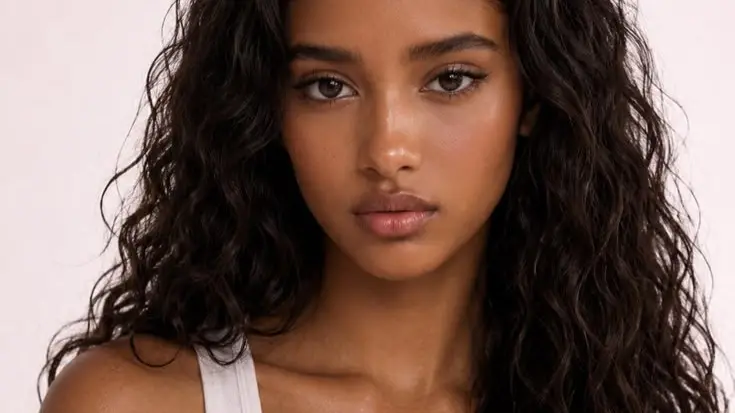
이 예시는 이미 정해진 캐릭터 이미지로 시작해 15초 동안 감정의 진행을 애니메이션으로 표현합니다. 참조 이미지는 얼굴, 나이, 헤어스타일, 의상, 액세서리, 초기 구도를 정의해야 합니다. 프롬프트는 인물을 다시 디자인하기보다 연기와 연속성에 대부분의 단어를 사용해야 합니다.
[이미지]
[영상]
감정 타임라인
| 시간 |
감정의 박자 |
가시적 단서 |
| 0–3초 |
감정을 억누름 |
다문 입술, 긴장한 턱, 촉촉한 눈, 한 번의 삼킴 |
| 3–5초 |
통제가 무너지기 시작함 |
안쪽 눈썹이 올라가고 아랫입술이 떨리며 눈물이 맺힘 |
| 5–10초 |
억눌린 붕괴 |
눈을 감고 눈물이 불규칙하게 흐르며 호흡이 떨림 |
| 10–12초 |
신체적 회복 |
고개를 숙이고 떨리는 숨을 쉰 뒤 소매로 눈물을 닦음 |
| 12–15초 |
감정의 여운 |
젖은 눈을 다시 뜨고 시선을 돌리지만 슬픔은 남아 있음 |
복사해 사용할 이미지-투-비디오 프롬프트
@Image 1은 캐릭터의 정확한 정체성, 얼굴 구조, 헤어스타일, 의상, 액세서리, 나이, 전체적인 외모를 정의합니다. 영상 전체에서 동일한 인물을 유지하세요. 캐릭터를 다시 디자인하거나, 더 아름답게 만들거나, 나이를 바꾸거나, 교체하지 마세요.

@Image 1을 기반으로 하나의 연속적인 15초 시네마틱 클로즈업을 만드세요. 캐릭터는 카메라 바로 밖에 있는 감정적으로 중요한 상대를 바라보며 필사적으로 울음을 참으려 합니다.

[0–3초 — 침착함을 유지하려 함]
캐릭터는 처음에 감정을 통제한 표정을 유지합니다. 입술을 단단히 다물고 턱과 턱 근육에 약간 힘을 줍니다. 한 번 침을 삼키고 불안정하게 짧은 숨을 쉽니다. 눈은 서서히 촉촉해지지만 아직 눈물은 떨어지지 않습니다.

[3–5초 — 침착함이 무너지기 시작함]
안쪽 눈썹이 올라가며 미묘하게 모입니다. 아래 눈꺼풀이 조여지고 코가 희미하게 붉어지며 아랫입술이 무의식적으로 떨리기 시작합니다. 입꼬리 한쪽이 다른 쪽보다 먼저 살짝 내려갑니다. 아래 눈꺼풀을 따라 천천히 눈물이 맺힙니다.

[5–10초 — 억눌린 감정적 붕괴]
캐릭터는 다시 한 번 감정을 억누르려 하지만 실패합니다. 눈을 질끈 감고 눈썹을 자연스럽게 찌푸리며, 서로 조금 다른 속도로 눈물이 뺨을 타고 흐르기 시작합니다. 입이 조용하고 절제된 흐느낌으로 떨립니다. 호흡이 불규칙해지면서 턱, 목, 어깨에 작은 무의식적 떨림이 지나갑니다.

[10–12초 — 숨을 고름]
캐릭터는 고개를 숙이고 벌어진 입술 사이로 떨리는 숨을 쉰 뒤, 소매나 부드러운 옷감으로 눈물을 부드럽게 닦습니다. 동작은 자연스럽고 주저하며 완벽하지 않아야 합니다.

[12–15초 — 위태로운 회복]
캐릭터는 천천히 고개를 들고 통제력을 되찾으려 합니다. 입술을 다물고 침을 삼킨 뒤, 젖고 붉어진 눈으로 카메라를 피합니다. 울음은 잦아들기 시작하지만 호흡과 시선, 얼굴의 긴장에는 슬픔이 여전히 보입니다.

@Image 1의 원래 구도와 시각적 스타일을 유지하세요. 눈높이의 타이트한 클로즈업, 사실적인 피부 움직임, 자연스러운 눈 깜박임, 물리적으로 정확한 눈물, 미묘한 호흡, 절제된 미세 표정을 사용하세요. 배경은 안정적으로 유지하고 자연스러운 환경 움직임만 약간 추가하세요.

컷 전환 금지, 정체성 변화 금지, 얼굴 재디자인 금지, 헤어스타일이나 의상 변경 금지, 갑작스럽고 과장된 울음 금지, 멜로드라마식 연기 금지, 대칭적인 인공 눈물 금지, 빠른 머리 흔들기 금지, 일그러진 얼굴 특징 금지, 뷰티 필터 피부 금지, 프레임 안으로 추가 인물이 들어오는 것 금지.
시작 이미지는 중요합니다. 완전히 밝게 웃는 초상화는 첫 감정의 박자에 도달하기 전에 모델이 너무 먼 길을 이동하게 만듭니다. 이미 눈물로 뒤덮인 얼굴은 감정이 쌓이는 과정을 없앱니다. 가장 좋은 시작 프레임은 두 극단의 중간입니다. 촉촉한 아래 눈꺼풀, 다문 입술, 약한 턱의 긴장은 있지만 아직 눈물은 떨어지지 않은 상태입니다.
원본 이미지가 반신 또는 전신 초상화라면 그 구도를 유지하고 클로즈업을 향해 천천히 한 번 밀고 들어가도록 요청하세요. 이동, 회전, 큰 손동작을 함께 사용하지 마세요. 이 장면의 중심은 얼굴입니다.
예시 2: 비밀스러운 짝사랑을 들킨 수줍은 소년
이 텍스트-투-비디오 예시는 다른 감정을 사용하지만 같은 구조를 따릅니다:
발견 → 얼어붙음 → 시선 회피 → 번지는 홍조
→ 우연한 눈맞춤 → 부드러운 입술 깨물기 → 수줍은 여운
중요한 세부 사항은 지연입니다. 홍조는 귀 주변에서 시작해 뺨과 코를 따라 서서히 번져야 합니다. 즉시 선명한 붉은 피부는 필터처럼 보입니다. 촉촉한 눈은 연약함을 암시하되 장면이 울음으로 바뀌어서는 안 됩니다.
복사해 사용할 텍스트-투-비디오 프롬프트
비밀스러운 짝사랑이 카메라 밖에 서 있는 누군가에게 막 들킨 수줍은 18세 남성을 하나의 연속적인 12초 시네마틱 클로즈업으로 만드세요.

그는 부드럽고 앳된 외모, 자연스럽게 살짝 헝클어진 짙은 머리, 깨끗하고 자연스러운 피부, 단정한 캐주얼 의상을 갖고 있습니다. 부드러운 늦은 오후 햇빛이 들어오는 창가 근처의 조용한 학교 복도에 서 있습니다. 접힌 손글씨 연애편지가 가슴에 안은 공책 페이지 사이로 일부 보입니다.

[0–2초 — 갑작스러운 깨달음]
카메라 밖의 누군가가 숨겨진 연애편지를 알아보고 의미심장하게 그를 바라봅니다. 젊은 남자는 잠시 얼어붙습니다. 자신의 비밀이 들켰다는 사실을 깨닫자 눈이 살짝 커지고 숨이 멎습니다.

[2–5초 — 당황한 회피]
그는 즉시 바닥으로 시선을 내리고 눈을 맞추지 못합니다. 어깨가 살짝 안쪽으로 모이고 공책을 쥔 손가락에 힘이 들어갑니다. 설명하려는 듯 입술을 벌리지만 말은 나오지 않습니다.

[5–8초 — 번지는 홍조]
귀 끝 주변에서 자연스러운 홍조가 시작되어 뺨과 콧등으로 서서히 번집니다. 색이 눈에 띄게 짙어지지만 만화처럼 보이지 않고 현실적이어야 합니다. 아래 눈꺼풀이 살짝 조여지고 눈이 촉촉해지며, 실제로 울지는 않은 채 극도의 당황과 연약함을 보여 주는 희미한 눈물이 맺힙니다.

[8–10초 — 감정을 숨기려 함]
그는 속눈썹 아래로 잠깐 위를 바라보다가 우연히 상대와 눈이 마주치자 즉시 다시 시선을 내립니다. 긴장한 무의식적 미소를 억누르려 아랫입술을 부드럽게 깨뭅니다. 턱이 거의 알아차리기 어려울 정도로 떨립니다.

[10–12초 — 수줍은 감정의 여운]
그는 공책을 가슴에 더 가까이 끌어안고 얼굴을 살짝 돌린 뒤 아랫입술을 놓습니다. 뺨은 여전히 짙게 붉습니다. 눈은 계속 아래를 향하고 촉촉하지만 입꼬리에는 아주 희미하고 절제된 당황한 미소가 남아 진심을 드러냅니다.

자연스러운 실사 연기, 친밀한 성장 영화 분위기, 사실적인 피부 질감, 미묘한 얼굴 근육 움직임, 보이는 호흡, 자연스러운 눈 깜박임, 얕은 피사계 심도, 부드러운 창문 빛, 은은한 배경 흐림을 사용하세요. 눈높이의 정적인 클로즈업과 극도로 느린 푸시인을 사용하세요. 눈, 입술, 뺨, 호흡에서 나타나는 점진적인 감정 변화에 집중하세요.

대사 금지, 과장된 애니메이션 반응 금지, 즉시 새빨개지는 얼굴 금지, 만화식 홍조 표시 금지, 뺨을 타고 흐르는 눈물 금지, 히스테릭한 울음 금지, 활짝 웃는 표정 금지, 유혹적인 표정 금지, 과장된 입술 깨물기 금지, 얼굴 왜곡 금지, 정체성 변경 금지, 카메라 컷 전환 금지.
여기서 흔한 오류를 막는 두 가지 표현이 있습니다. 희미한 눈물이 맺히지만 실제로 울지는 않음은 감정적인 눈물과 우는 장면을 구분합니다. 아랫입술을 이로 부드럽게 살짝 문다는 동작을 작게 유지해 입이 일그러지는 것을 방지합니다.
감정 프롬프트: 텍스트-투-비디오와 이미지-투-비디오 비교
감정의 타임라인은 두 모드 모두에서 재사용할 수 있지만 프롬프트가 부담해야 할 작업은 동일하지 않습니다.
| 프롬프트 구성 요소 |
텍스트-투-비디오 |
이미지-투-비디오 또는 참조 워크플로 |
| 캐릭터 정체성 |
나이, 외모, 머리, 의상, 역할을 설명 |
업로드한 이미지가 정체성을 정의하도록 함 |
| 장소 |
장소, 시간, 조명을 설명 |
원본을 유지하거나 필요한 맥락만 추가 |
| 주요 프롬프트 초점 |
캐릭터, 장면, 연기 |
연기, 타이밍, 정체성 연속성 |
| 주요 위험 |
일반적인 캐릭터 또는 정체성 변화 |
얼굴 변화, 입 왜곡, 원본 이미지 재디자인 |
| 적합한 용도 |
처음부터 완전한 장면 만들기 |
정해진 캐릭터 애니메이션화 |
ByteDance의 전체 Seedance 2.5 워크플로는 최대 이미지 30개, 영상 10개, 오디오 클립 10개를 포함한 광범위한 멀티모달 참조를 지원한다고 공식 출시 세부 정보에 나와 있습니다. 이 공급자 수준의 기능은 모든 타사 경로보다 광범위합니다.
이 글을 작성하는 시점에 주요 GPT Proto의 Seedance 2.5 API 페이지는 프롬프트, 화면 비율, 길이, 해상도, 오디오, 카메라, 시드 제어가 포함된 텍스트-투-비디오를 공개적으로 제공합니다. 이미지-투-비디오 프롬프트는 실제로 이미지 또는 참조 입력을 제공하는 인터페이스에서만 사용하세요. 이미지를 업로드하지 않은 텍스트 전용 엔드포인트에 @Image 1을 붙여 넣고 이미지가 이해되기를 기대하지 마세요.
감정적인 영상을 연극적이지 않고 시네마틱하게 만드는 방법
카메라를 가깝게 유지하세요. 눈높이 클로즈업이나 미디엄 클로즈업은 얼굴 변화를 충분한 픽셀로 보여 줍니다. 전신 감정에는 와이드숏도 가능하지만 눈과 아랫입술이 장면을 이끌 때는 적합한 기본값이 아닙니다.
절제된 카메라 이동 하나만 사용하세요. 매우 느린 푸시인이나 약한 핸드헬드 이동은 연기를 방해하지 않고 현장감을 더합니다. 빠른 회전, 줌, 머리 움직임은 얼굴의 안정성을 떨어뜨립니다.
반응에 비대칭을 넣으세요. 한쪽 입꼬리가 먼저 내려가거나 한쪽 눈에서 먼저 눈물이 흐를 수 있습니다. 완벽하게 동기화된 얼굴 변화는 인공적으로 느껴집니다.
호흡을 직접 지시하세요. 숨을 참는 동작, 한 번의 삼킴, 떨리는 들숨, 내쉰 뒤 내려가는 어깨는 얼굴과 몸을 연결합니다.
감정의 여운을 남기세요. 감정의 절정에서 끝내지 마세요. 마지막 2~3초는 회복에 할애하세요. 캐릭터가 입술을 놓거나 젖은 눈으로 눈을 깜박이거나 시선을 돌리거나 호흡을 가다듬게 하세요. 남은 감정이 가장 큰 표정보다 더 설득력 있을 때가 많습니다.
Seedance 2.5 표정이 여전히 어색해 보이는 이유
| 문제 |
가능한 원인 |
프롬프트 수정 |
| 얼굴이 평면적으로 유지됨 |
추상적인 감정 단어만 사용함 |
눈, 눈썹, 입, 턱, 호흡의 가시적인 변화를 추가 |
| 캐릭터가 즉시 울기 시작함 |
프롬프트에 감정의 축적이 없음 |
첫 단계는 저항과 지연된 눈물에 할애 |
| 연기가 멜로드라마처럼 보임 |
강한 단서가 한 번에 너무 많이 발생함 |
“절제된”, “주저하는”을 사용하고 단계별 동작 수를 줄이세요 |
| 눈물이 인공적으로 보임 |
대칭적으로 또는 과도하게 나타남 |
첫 눈물을 늦추고 양쪽 눈의 타이밍을 다르게 하세요 |
| 입술을 깨물 때 입이 일그러짐 |
신체 동작 지시가 너무 강함 |
“세게 문다”를 “아랫입술을 부드럽게 살짝 문다”로 바꾸세요 |
| 업로드한 캐릭터가 바뀜 |
프롬프트가 인물을 다시 묘사하거나 재디자인함 |
참조 이미지가 정체성과 외모를 정의한다고 명시 |
| 얼굴의 세부 묘사가 사라짐 |
큰 움직임이나 복잡한 카메라 작업이 주의를 빼앗음 |
클로즈업과 느린 카메라 이동 하나를 사용 |
| 1초 후 감정이 사라짐 |
프롬프트에 절정만 있고 마지막 상태가 없음 |
회복 시도와 남은 시선 또는 호흡을 추가 |
생성 결과가 기대에 못 미치면 한 번에 변수 하나만 바꾸세요. 눈물이 나오지 않으면 눈물의 타이밍만 수정하세요. 연기가 너무 강하면 동시에 발생하는 단서의 수를 줄이세요. 정체성이 흔들리면 움직임을 단순화하고 참조 이미지 보존 지시를 강화하세요. 매번 프롬프트 전체를 다시 쓰면 어떤 변경이 효과가 있었는지 알기 어렵습니다.
재사용 가능한 Seedance 2.5 감정 표현 프롬프트 템플릿
[참조 입력이 있는 경우 참조 및 정체성 지시]

하나의 연속적인 [길이]초 시네마틱 [클로즈업 / 미디엄 클로즈업]을 만드세요.

캐릭터는 방금 [감정적 촉발 요인]을 겪었지만 [저항]하려 합니다.

[0–X초 — 초기 반응]
[눈, 눈썹, 입, 호흡, 손의 가시적 반응 두세 가지를 설명하세요.]

[X–X초 — 감정이 새어 나옴]
[무의식적인 미세 표정, 시선 행동, 점진적인 신체 변화를 설명하세요.]

[X–X초 — 감정의 절정]
[과장된 연기 없이 통제된 표출을 설명하세요.]

[X–X초 — 여운]
[회복 시도, 남은 호흡, 마지막 시선을 설명하세요.]

카메라:
[구도와 절제된 카메라 이동 하나를 선택하세요.]

연속성:
[정체성, 의상, 배경, 조명, 구도 중 무엇을 변경하지 않아야 하는지 명시하세요.]

피해야 할 요소:
[즉각적인 감정 변화, 과장된 연기, 얼굴 왜곡, 정체성 변화, 빠른 머리 움직임, 인공적으로 대칭적인 반응, 관련 없는 배경 동작.]
10~15초의 단일 숏 연기에는 보통 네 개의 시간 지정 단계면 충분합니다. 30초 분량의 긴 내러티브라면 같은 표정 반응을 전체 클립에 걸쳐 늘이기보다 외부 촉발 요인이나 두 번째 이야기 박자에 추가 시간을 사용하세요. Seedance 2.5는 공식적으로 생성당 최대 30초와 타임스탬프 수준의 지시를 지원하지만, ByteDance는 복잡한 물리적 움직임과 여러 상호작용 인물이 있는 장면에 여전히 한계가 있다고 설명합니다. 얼굴 연기가 우선이라면 장면을 단순하게 유지하세요. 현재 공급자 수준의 기능 요약은 공식 Seedance 2.5 모델 개요를 참조하세요.
GPT Proto에서 Seedance 2.5로 감정적인 영상 생성하기
Seedance 2.5 모델 페이지를 열고 텍스트-투-비디오 작업을 선택하세요.
완성된 감정 프롬프트를 붙여 넣으세요. 실시간 컨트롤에 표시된 화면 비율, 길이, 해상도, 오디오 설정, 카메라 동작, 시드를 설정하세요.
첫 번째 버전을 생성한 뒤 감정 타이밍, 얼굴 안정성, 물리적 사실성, 마지막 2초에 감정의 여운이 유지되는지 네 가지만 평가하세요.
전체 프롬프트를 바꾸지 말고 가장 약한 단계를 수정하세요.
개발자는 동일한 텍스트-투-비디오 프롬프트를 모델 경로를 통해 제출할 수 있습니다. 아래 엔드포인트는 실제 모델 경로로 확인되었지만, 사용 가능한 값이 변경되면 최신 파라미터 패널을 기준으로 삼으세요.
curl --location 'https://gptproto.com/api/v3/bytedance/dreamina-seedance-2-5-260628/text-to-video' \
  --header 'Authorization: GPTPROTO_API_KEY' \
  --header 'Content-Type: application/json' \
  --data '{
    "prompt": "비밀스러운 짝사랑이 막 들킨 수줍은 젊은 남자의 하나의 연속적인 12초 시네마틱 클로즈업을 만드세요. 그는 얼어붙고 시선을 내리며 서서히 얼굴을 붉히고 아랫입술을 부드럽게 살짝 문 뒤 촉촉한 눈과 절제된 당황한 미소로 마무리합니다. 자연스러운 피부 질감, 미묘한 호흡, 대사 없음, 만화식 홍조 없음, 떨어지는 눈물 없음, 카메라 컷 전환 없음.",
    "aspect_ratio": "16:9",
    "duration": 12,
    "resolution": "720p",
    "generate_audio": false,
    "camera_fixed": false,
    "seed": -1
  }'
동일한 감정 타임라인으로 다른 영상 모델을 비교하려면 프롬프트, 길이, 구도, 시드 정책을 일정하게 유지한 다음 AI 영상 모델 컬렉션을 살펴보세요. 공정한 비교는 어떤 모델이 감정의 흐름을 유지하는지를 확인하는 것이지, 어떤 모델이 가장 예쁜 첫 프레임을 만들었는지를 비교하는 것이 아닙니다.