


Dynamic Motion Generation
The higgsfield lite model excels at adding fluid motion to images. It provides a straightforward way to create short video clips, though users should expect some variability in the final results.

Start from the cost of a single sample and pick a testing budget. GPTProto rates are 30% below list price.
$0.0875 / image

| Model | Resolution | Input → Output | ||
|---|---|---|---|---|
| $0.09 per second | — | Input: Image Output: Video | |
| $0.22 per time | 2K · more | Input: TextInput: Image Output: Video | ||
| $0.09 per time | more | Input: TextInput: ImageInput: VideoInput: Audio Output: Video | ||
| — | $0.11 per second | 480p · 720p | Input: TextInput: ImageInput: VideoInput: Audio Output: Video | |
| $0.34 per second | 4k | Input: TextInput: Image Output: Video | ||
| — | $0.02 per second | 480p · 720p | Input: TextInput: ImageInput: VideoInput: Audio Output: Video | |
| $0.34 per second | 4k | Input: TextInput: ImageInput: VideoInput: Audio Output: Video | ||
| — | $0.04 per second | 480p · 720p | Input: TextInput: ImageInput: VideoInput: Audio Output: Video | |
| $0.02 per second | 720p · 1080p · more | Input: ImageInput: VideoInput: Audio Output: Video | ||
| $0.09 per second | — | Input: TextInput: ImageInput: VideoInput: Audio Output: Video | ||
| $0.03 per second | 540p · 720p · 1080p | Input: TextInput: Image Output: Video | ||
| $0.04 per second | 540p · 720p · 1080p | Input: TextInput: Image Output: Video | ||
| $0.09 per second | 720p · 1080p · 2k | Input: TextInput: ImageInput: VideoInput: Audio Output: Video | ||
| — | $0.05 per time | — | Input: Video Output: Video | |
| — | $1.20 per time | — | Input: TextInput: ImageInput: Video Output: Video | |
| — | $3.20 per time | — | Input: TextInput: ImageInput: Video Output: Video | |
| $0.03 per second | 1080p · more | Input: Image Output: Video | ||
| $0.44 per time | — | Input: TextInput: Image Output: Video | ||
| $0.09 per time | 1K · more | Input: TextInput: Image Output: Video | ||
| — | $0.50 per time | — | Input: TextInput: ImageInput: VideoInput: Audio Output: Video | |
| — | $0.30 per second | 720p · 1080p | Input: TextInput: Image Output: Video | |
| — | $0.10 per second | 720p | Input: TextInput: Image Output: Video | |
| $0.28 per time | — | Input: Image Output: Video | ||
| $0.39 per time | — | Input: Image Output: Video |
Explore what higgsfield lite offers for your video projects. We highlight the essential technical aspects and performance metrics that matter most to developers and creative professionals today.
The higgsfield lite model excels at adding fluid motion to images. It provides a straightforward way to create short video clips, though users should expect some variability in the final results.
Managing costs in higgsfield lite is vital for long-term projects. Our platform helps you track how higgsfield lite consumes credits, preventing the unexpected budget overages reported by many users.
Maintaining characters in higgsfield lite is an ongoing challenge. While the tool allows for creative experimentation, achieving frame-to-frame stability requires careful prompting and iteration.
Connect to the higgsfield lite API through our unified platform. This allows you to integrate higgsfield lite alongside other models without navigating the often confusing native user interface.
Find detailed answers about higgsfield lite performance, pricing, and features. We address user concerns regarding credit consumption and character consistency to help you make informed decisions.
Guides, comparisons, and updates related to this model.
All Articles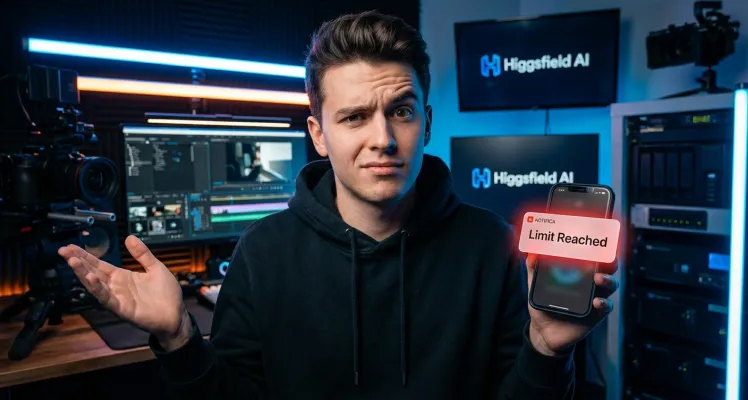
While higgsfield ai offers fluid video motion, its steep credit costs and cluttered UI frustrate professionals. Discover if it fits your workflow.
Discover Kling O1, the world's first unified AI video model combining generation and editing. Learn features, use cases, and how this "video world's Nano Banana" is transforming content creation.
While higgsfield ai offers fluid video motion, its steep credit costs and cluttered UI frustrate professionals. Discover if it fits your workflow.
Higgsfield API guide - features, pricing, integration solutions, and effective AI video API access in 2025.