AI Image Editor Online

Upload a photo, describe what you want to change, and let AI edit the image online. Remove or replace objects, change backgrounds, adjust lighting, restyle scenes, and create new variations with simple text instructions.

List of URLs of input images for editing. Up to 10 images can be provided.
Preview image
History
Download

How to Edit an Image with AI Online

Turn an editing idea into a new image in three steps—no layers, masks, brushes, or manual retouching required.

  1. Upload Your Image

    Upload Your Image

    Choose the photo you want to edit. A clear image with a visible subject gives the AI more useful visual context.

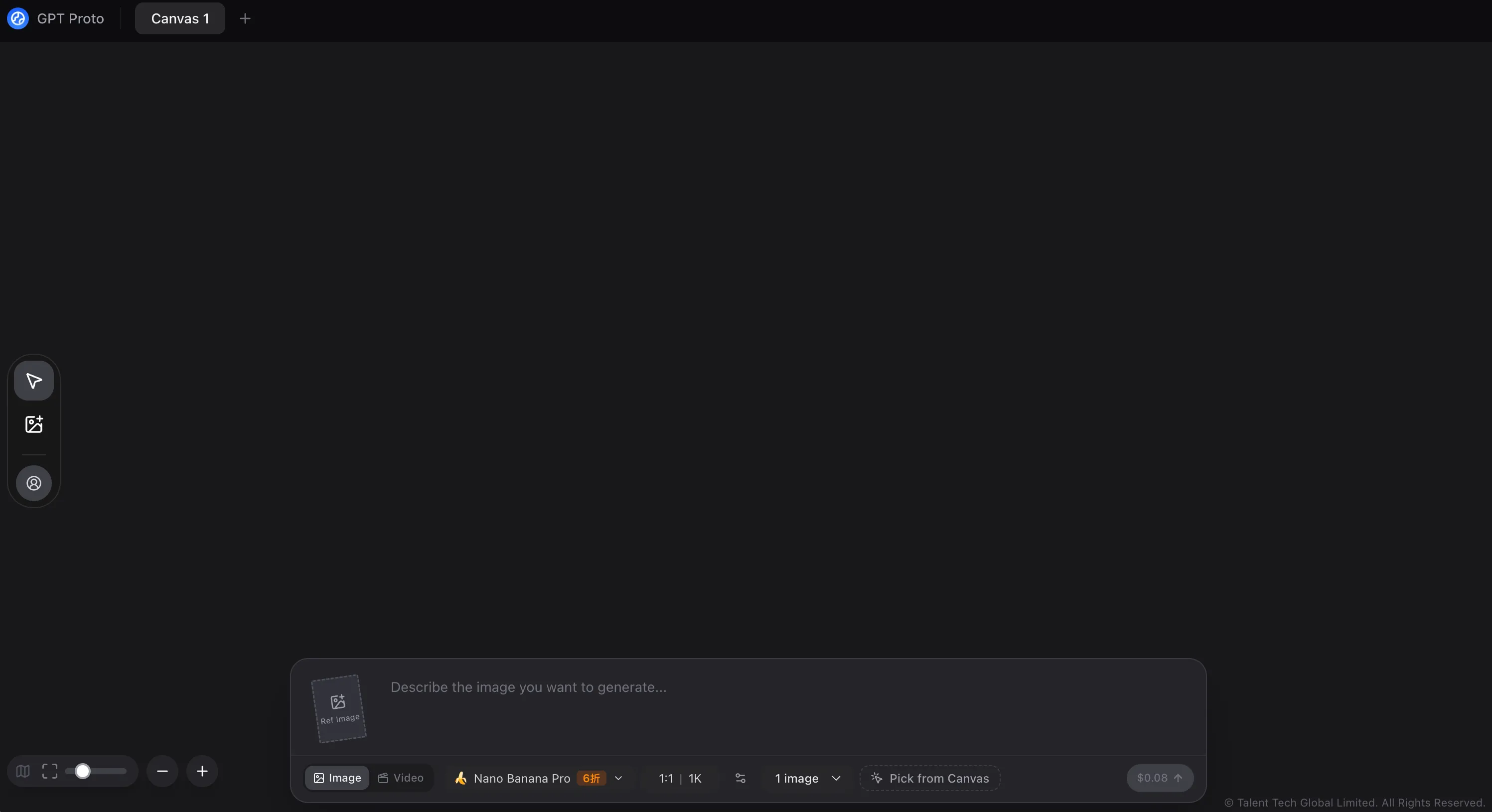
  2. Describe Your Edit: Enter a text prompt explaining what you want to add, remove, replace, recolor, restyle, or preserve in the original image.
    Describe Your Edit

    Describe Your Edit

    Enter a text prompt explaining what you want to add, remove, replace, recolor, restyle, or preserve in the original image.

  3. Generate and Download

    Generate and Download

    Generate the edited image, inspect important details, and download the version you want to keep.

BEFORE & AFTER

See AI Image Editing in Action

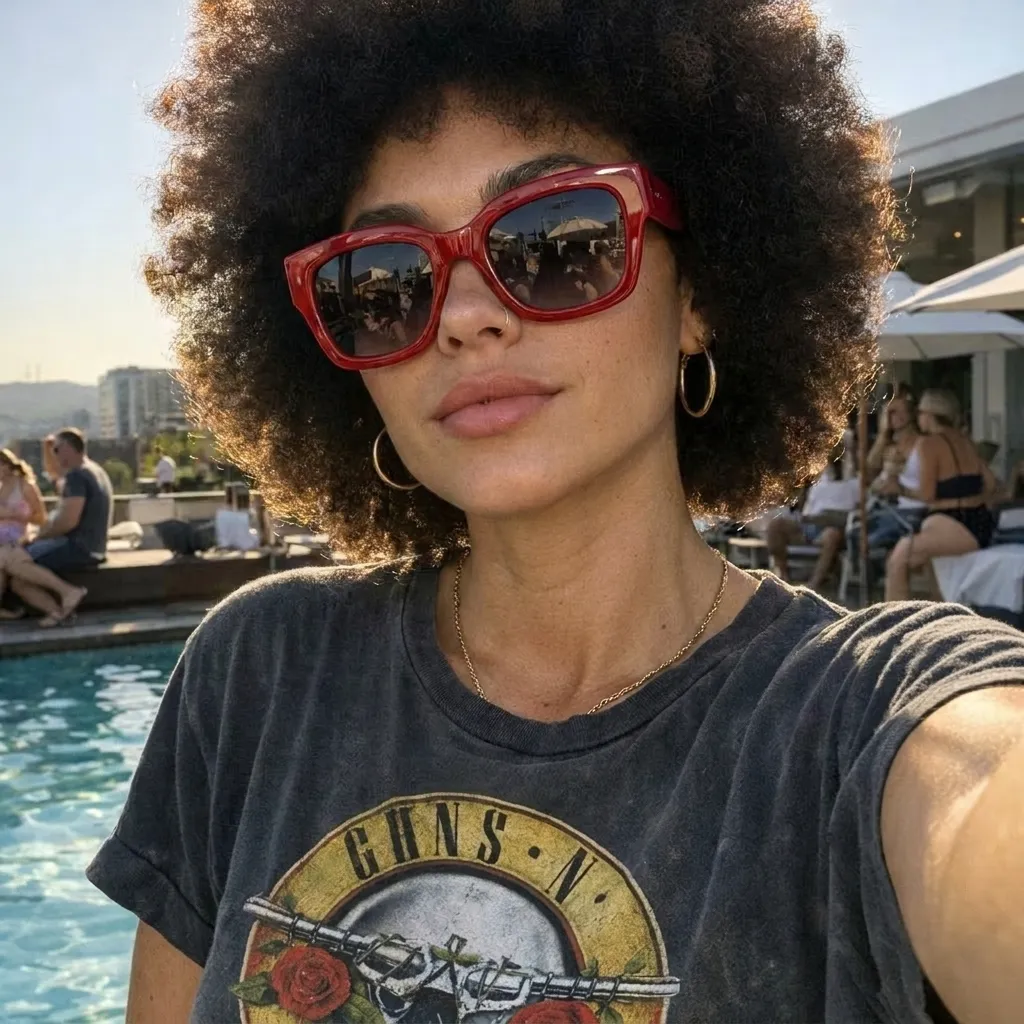
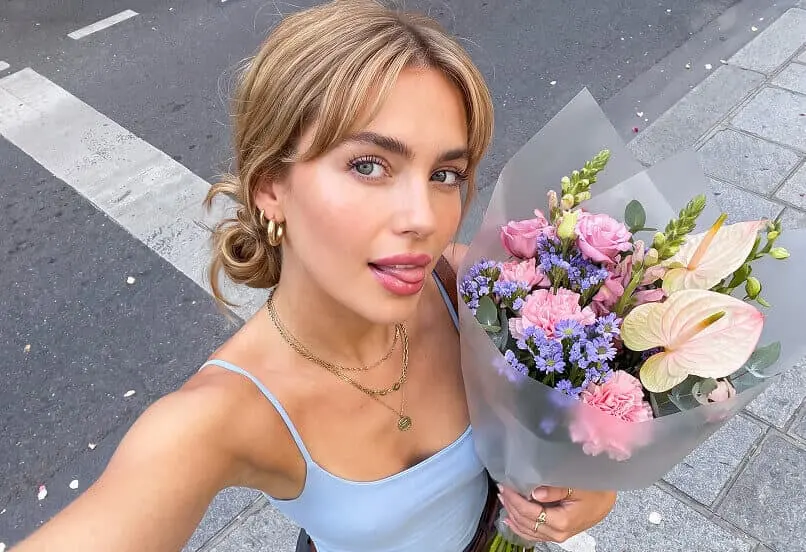
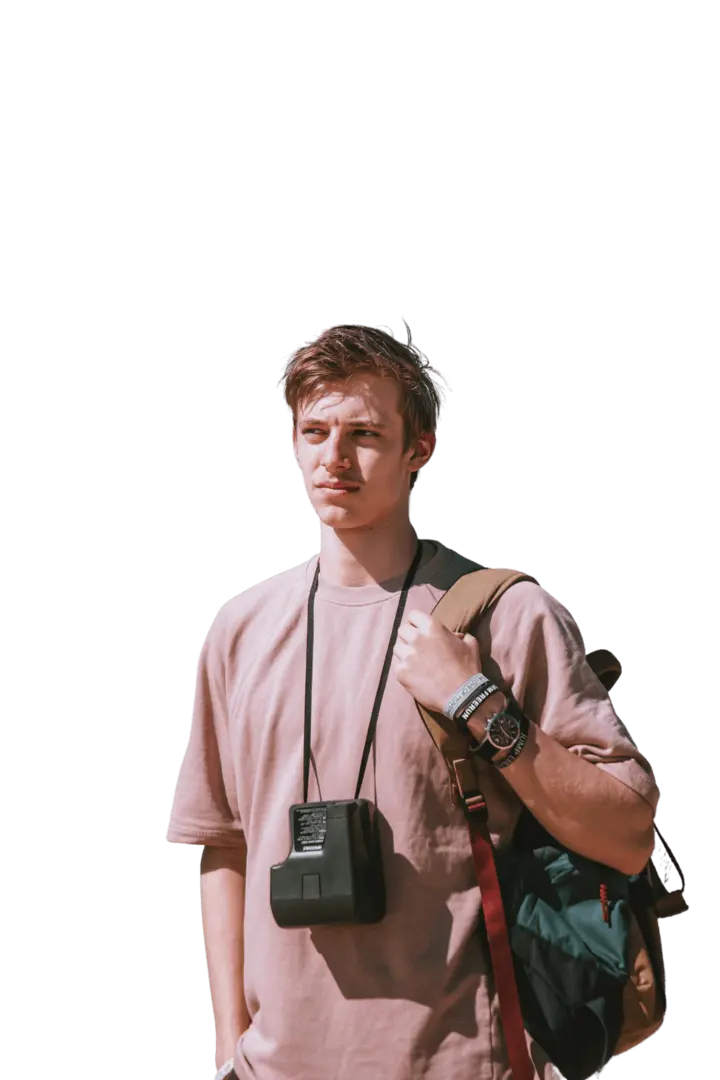
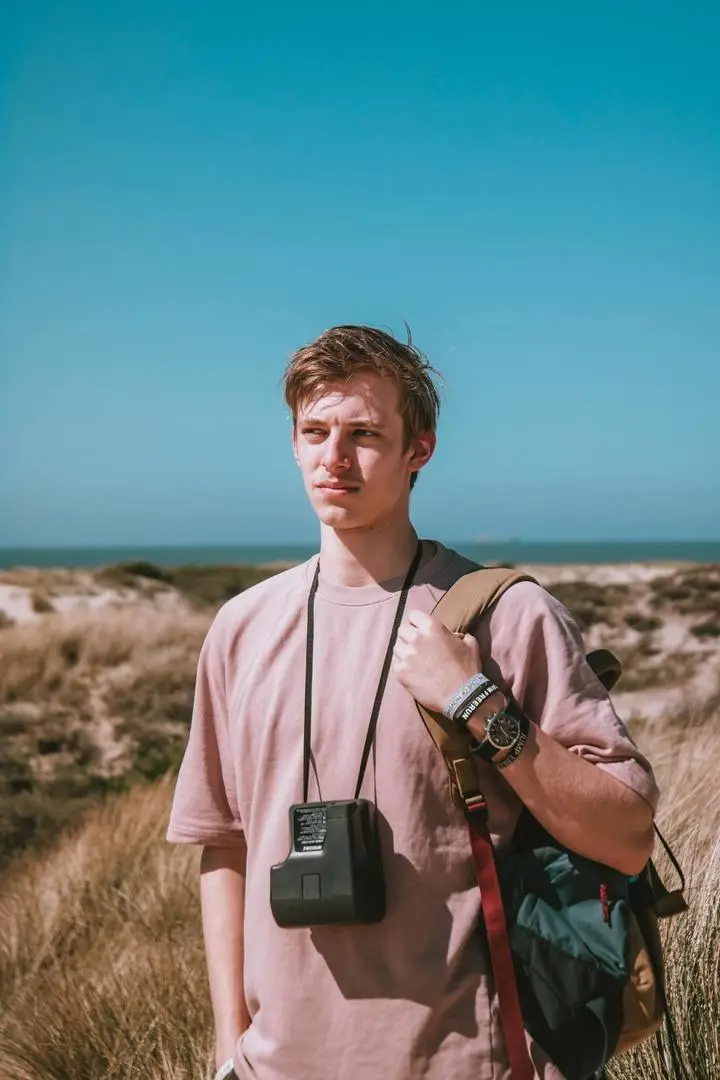
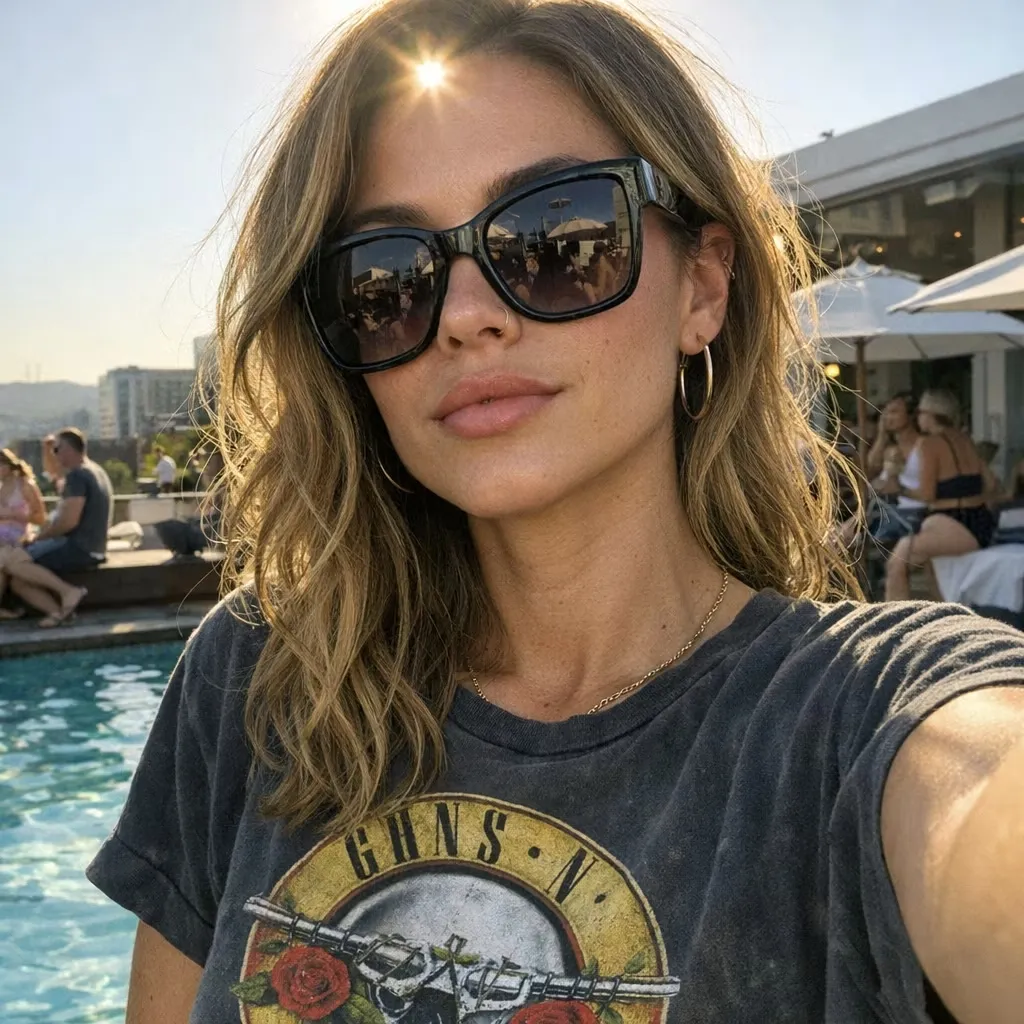
Compare original photos with prompt-edited results across background changes, object removal, outfit updates, lighting adjustments, portrait refinements, and product-image restyling.

PROMPT IDEAS

Popular AI Image Editing Prompts

Not sure what to type? Start with one of these practical AI photo editing prompts, then customize the subject, background, colors, lighting, or style to suit your image.

  • Replace the Background

    Replace the current background with a bright modern café with large windows and soft natural light. Keep the subject’s face, hairstyle, pose, clothing, body proportions, camera angle, and framing unchanged.

  • Remove an Unwanted Object

    Remove the person in the background and naturally reconstruct the missing area. Preserve the main subject, surrounding objects, original lighting, shadows, camera perspective, and overall composition.

  • Change the Outfit

    Change the subject’s outfit to a tailored black blazer over a white silk shirt. Keep the face, hairstyle, expression, pose, body proportions, background, lighting, and camera angle unchanged.

  • Adjust the Lighting

    Change the scene to warm golden-hour lighting with soft sunlight coming from the side. Preserve the subject, background details, camera perspective, colors, and overall composition.

  • Restyle the Photo

    Transform this image into a cinematic 35mm film photograph with natural skin tones, subtle film grain, soft contrast, and atmospheric lighting. Preserve the subject’s identity, expression, pose, and framing.

  • Create a Product Photo

    Place the product on a clean beige studio pedestal with soft diffused lighting and a minimal commercial background. Preserve the product’s shape, colors, proportions, material, packaging, and visible label details.

  • Add an Object

    Add a small glass vase filled with white flowers to the table. Match the existing camera angle, scale, lighting, shadows, reflections, depth of field, and visual style.

  • Refine a Portrait

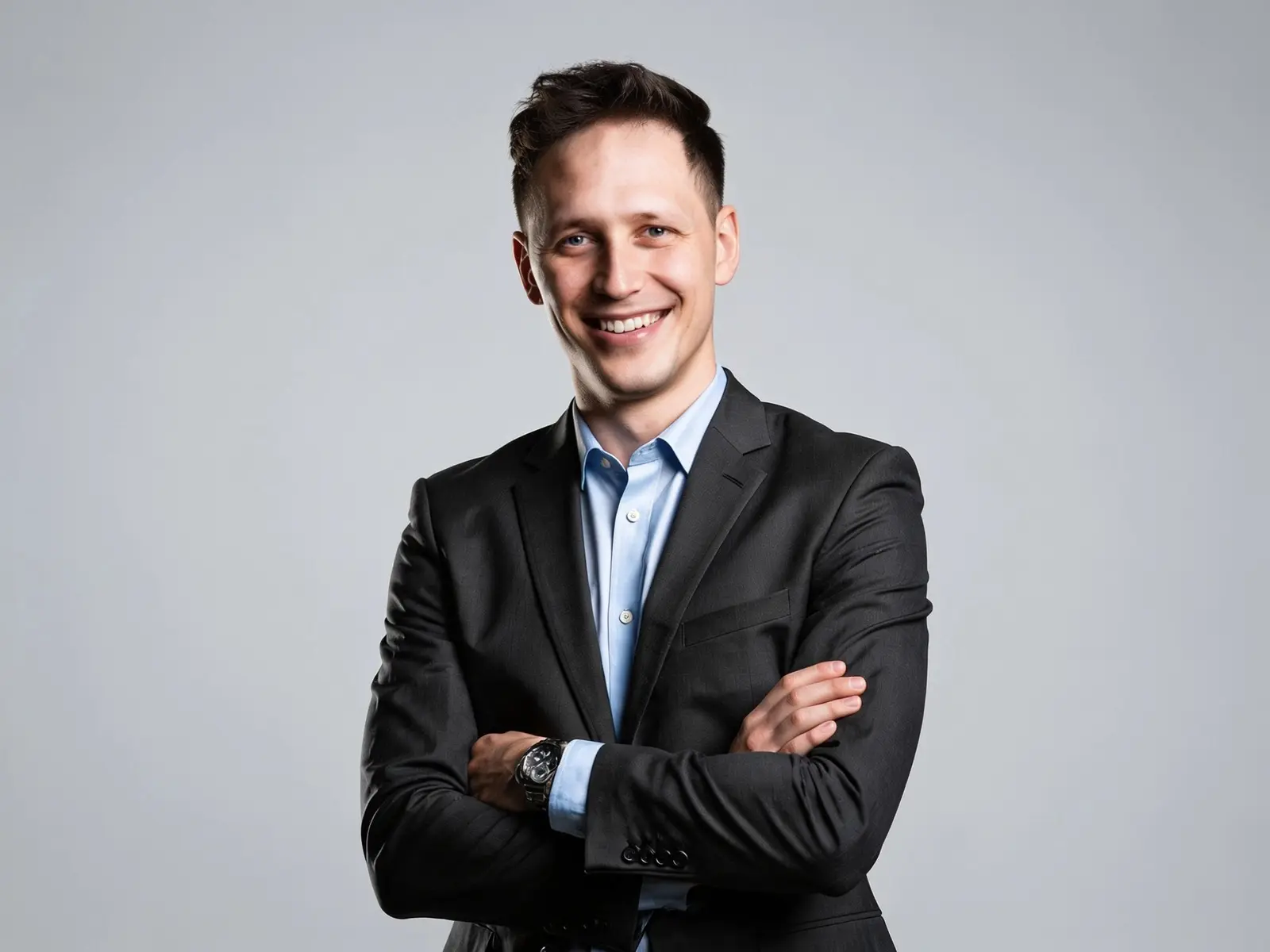
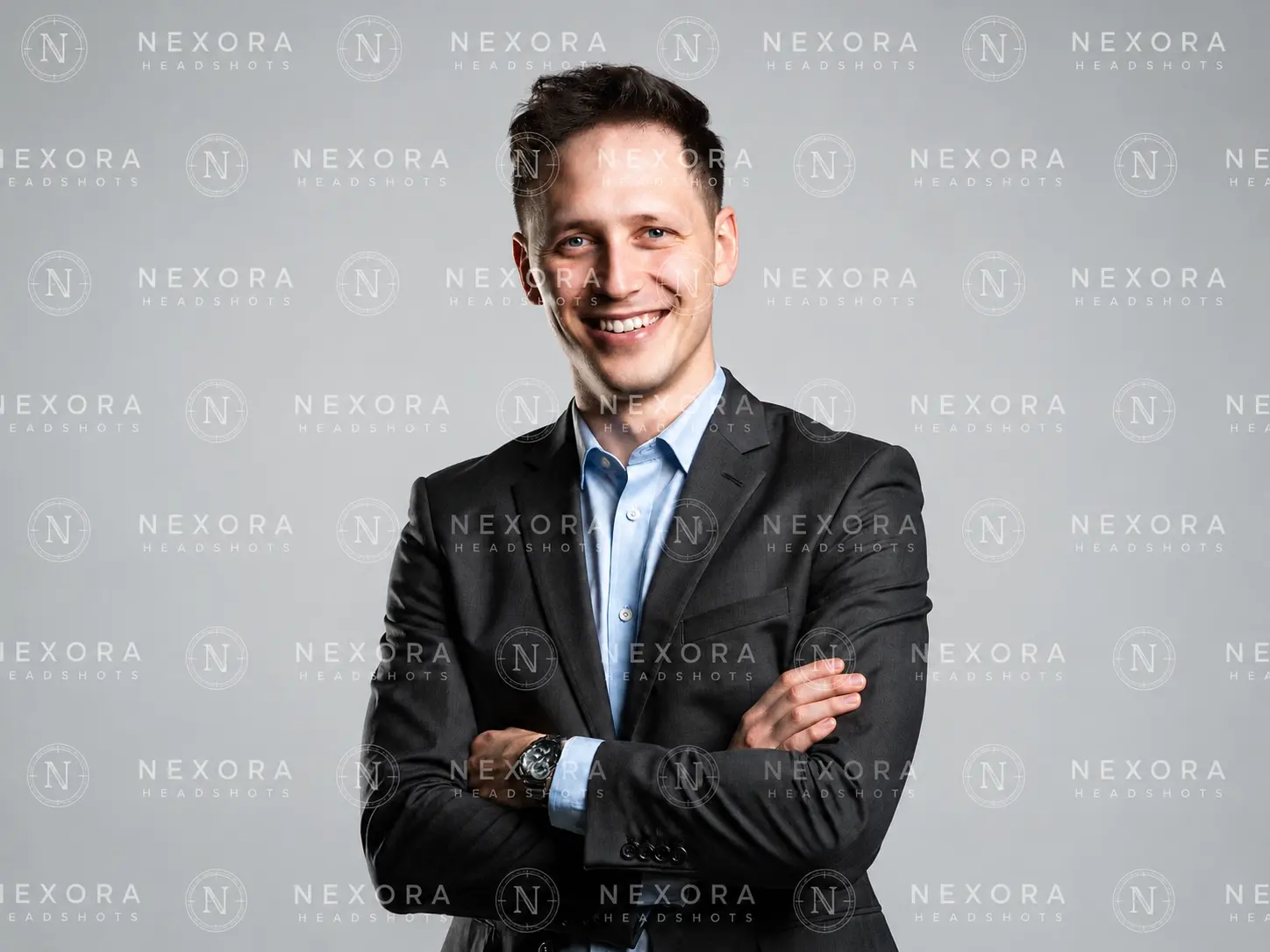
    Reduce minor skin blemishes and remove stray hairs while preserving natural skin texture, facial features, expression, hairstyle, lighting, and the person’s identity.

WHAT IT IS

What Is an AI Image Editor ?

An AI image editor changes an existing image according to a text instruction, so you can describe the result instead of building it manually with layers, masks, or brushes.

Unlike a text-to-image generator that starts from a blank prompt, an AI photo editor uses your uploaded image as visual context. It interprets the subject, setting, colors, lighting, and composition together with your instruction, then generates a modified result.

Prompt-based editing is useful for quick background changes, object replacement, visual restyling, product-image variations, and everyday photo updates. It does not provide the same pixel-level control as a traditional editor, and generated details may differ from the source. Always review faces, hands, text, logos, product shapes, and edges before using or publishing an edited image.

How Prompt-Based Image Editing Works

The AI considers both the uploaded image and your written instruction to decide what should change and what should remain visually consistent.

Understand the Image and Instruction

The system analyzes the visible subjects, objects, background, lighting, colors, and composition in the uploaded image. It also interprets the action in your prompt—such as add, remove, replace, recolor, or restyle—and uses any preservation instructions to identify details that should stay close to the source.

Generate the Edit in Context

The requested area is regenerated to fit the surrounding image. The result is influenced by the source quality, prompt clarity, object visibility, lighting, and complexity of the requested change. Because the output is generated rather than manually retouched, small details can change and should be checked before download.
AI VS. MANUAL EDITING

AI Image Editor vs Traditional Photo Editing

AI editing is faster for common visual changes, while traditional software offers finer control for detailed retouching and compositing.

Dimension AI Image Editor Traditional Photo Editor
Workflow Upload an image, describe the change, and generate Edit with layers, masks, selections, brushes, and adjustment tools
Learning Curve Minimal setup for common edits Requires familiarity with editing tools and techniques
Speed Faster for quick variations and routine changes More time-intensive for manual, detailed work
Control Result-based control through prompts and regeneration Direct pixel-level and layer-level control
Best For Backgrounds, object changes, restyling, and fast concepts Precise retouching, typography, compositing, and final production work

An AI photo editor can shorten the path from idea to first result. A traditional editor remains the better choice when every edge, layer, color value, or piece of text must be controlled precisely.

EDITING TIPS

How to Write Better AI Image Editing Prompts

Clear instructions help the AI understand both the change you want and the details you want to preserve.

  • Name the exact change: Identify the object, background, outfit, color, lighting, or style you want to modify.

  • Describe the desired result: Add useful details such as material, setting, atmosphere, time of day, camera style, or color palette.

  • State what should remain unchanged: Ask the AI to preserve the subject’s face, pose, proportions, composition, product shape, or background when those details matter.

  • Make one main edit at a time: A focused instruction is easier to evaluate than a prompt containing several unrelated changes.

  • Use a clear source image: Upload the largest available version and avoid repeatedly compressed screenshots, severe blur, or heavy visual obstruction.

  • Review important details: Check faces, hands, text, logos, clothing edges, reflections, product shapes, and repeated patterns before using the result.

Frequently Asked Questions

What is an AI image editor?

An AI image editor is a tool that modifies an existing image according to a written instruction. You upload a photo, describe what you want to change, and the AI generates a new version using the original image as visual context.

How does GPTProto AI Image Editor work?

Upload an image, enter a prompt describing the edit, choose the available output settings, and click Generate. Review the new image carefully and download it when the result fits your needs.

What can I edit with an AI photo editor?

You can request changes to backgrounds, visible objects, outfits, colors, lighting, atmosphere, and visual style. You can also ask the AI to create product-photo variations or refine selected portrait details. Results depend on the source image and the clarity and complexity of the prompt.

Do I need to write an image editing prompt?

Yes. This page uses prompt-based image editing. Describe the change you want and mention important details that should remain unchanged. You can also start with one of the prompt examples on this page and customize it.

Is GPTProto AI Image Editor free?

GPTProto uses pay-as-you-go pricing rather than offering an unlimited free image editor. The current generation price is displayed in the tool before you run the edit, so you can review the cost first.

How is an AI image editor different from Photoshop?

An AI image editor generates a result from a natural-language instruction, which is faster for common changes and early visual concepts. Photoshop and similar editors provide direct control over pixels, layers, masks, text, and selections, making them more suitable for precise production work.

Which image formats does the AI image editor support?

The currently supported upload and output options are shown in the image uploader and Output Format selector. Use one of the formats listed in the interface; unsupported files should be converted before upload.

Can I use AI-edited images commercially?

Commercial use depends on your rights to the source image, the content you add, and the applicable GPTProto terms. Only upload material you own or are authorized to edit, and verify that the final result does not infringe third-party copyrights, trademarks, privacy, or publicity rights.

Does GPTProto store my uploaded or edited images?

Image processing and retention practices should be described according to the current GPTProto Privacy Policy. Do not upload confidential, sensitive, or rights-restricted images unless the published policy and your own obligations allow it.

Why did the AI change a detail I wanted to keep?

AI editing generates a new result rather than moving every original pixel manually. Add explicit preservation instructions such as “keep the face, pose, proportions, product shape, camera angle, and background unchanged,” then make one main edit at a time.

Do I need to install editing software?

No desktop editing application is required for this workflow. Upload the image, enter the instruction, generate the edit, and download the result through the online tool.

What Creators Say

Maya R.

E-commerce Content Manager

I use the prompt editor to test cleaner settings for product photos before sending concepts to our design team. Being able to state what should stay unchanged makes each variation easier to review.

Daniel K.

Freelance Designer

The background-replacement prompts are useful when a client needs several visual directions quickly. I can generate the first options online and move the selected result into my regular editing workflow.

Olivia T.

Social Media Manager

I often need one campaign photo adapted to a different mood or seasonal setting. Uploading the image and describing the new lighting is much faster for early drafts than rebuilding the scene manually.

Ethan L.

Product Photographer

I like that I can tell the editor to preserve the product shape and colors while changing the surface or background. I still inspect labels and edges, but it is useful for creating quick scene variations.

Priya S.

Content Creator

The example prompts made the tool easier to understand on my first try. I copied one, changed a few details, and got a result that was close to the look I had in mind.

Leo M.

Independent Brand Owner

I use it for visual mockups when we are considering new campaign directions. It helps me communicate an idea clearly before we invest time in a full photo edit.