TL;DR
While other image generators demand endless tweaking, opendream ai art focuses on immediate, polished aesthetics. It trades the complex technical controls of competitors like Fiddl for a streamlined experience that consistently outputs soft, painterly results perfect for fantasy art, portraiture, and rapid marketing assets.
The creative tech space is currently obsessed with finding the ultimate image generator. Everyone wants an engine that understands exact prompt phrasing while offering infinite granular control. But spending three hours adjusting noise scales and swapping out obscure community models isn't actually creating. It is just troubleshooting disguised as art.
Some projects require a scalpel. Others just need a really good brush. When a tight deadline hits, you rarely have the luxury of battling your software. You need a platform that understands visual appeal right out of the gate. That specific requirement is exactly where the opendream ai art engine earns its keep, acting less like a math problem and more like a capable assistant.
We are going to look at how this platform stacks up against heavy-duty alternatives. By stripping away the technical friction, it forces a different kind of creative process. You lose some ability to tinker under the hood, but you gain a reliable, high-end output that rarely requires extensive post-processing.
The Current State of Opendream AI Art in a Crowded Market
If you've spent more than five minutes in the creative tech space lately, you know the vibe. Everyone is chasing the "perfect" generator. But let's be real—perfection doesn't exist. There is only "what works for your workflow." That brings us to the debate surrounding opendream ai art and its main competitors like Fiddl.art.
I've spent hundreds of hours testing these models. Some feel like high-end cameras with too many buttons. Others feel like disposable point-and-shoots. The opendream ai art experience sits somewhere in the middle. It targets users who want beauty without the headache of manual configuration.
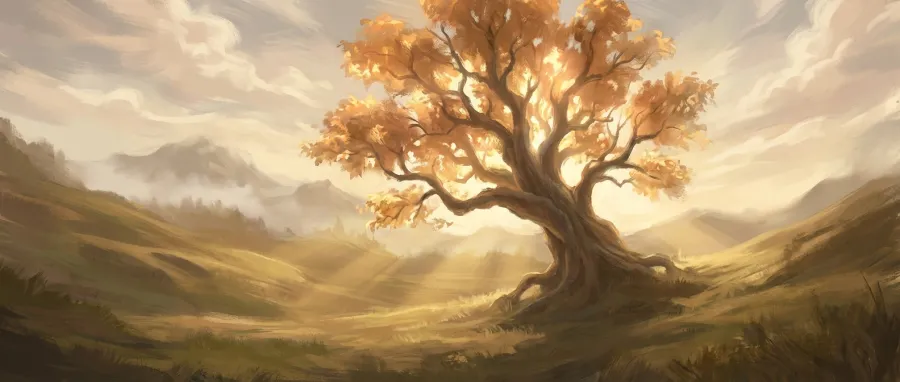
Choosing between tools isn't just about the pricing page. It's about how the latent space responds to your specific style. Whether you're a designer looking for assets or a hobbyist playing with aesthetics, the choice between opendream ai art and other platforms often comes down to the output's "soul."
We're seeing a massive shift in how these tools are perceived. It's no longer just about generating a random image. It's about consistency. When you use opendream ai art, you’re looking for a specific level of polish that isn't always guaranteed elsewhere. But is that polish worth the trade-off in creative flexibility?
Understanding the Core Appeal of Opendream AI Art
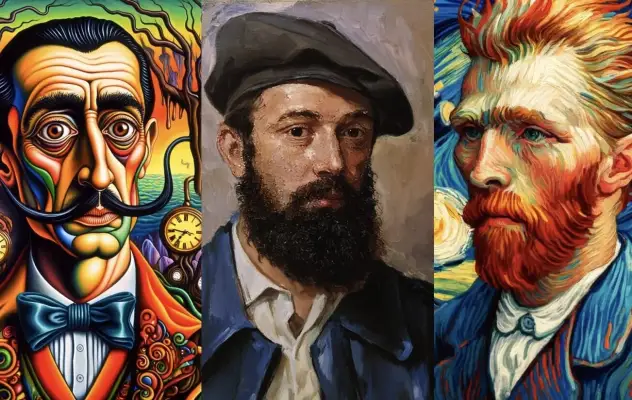
The primary draw of opendream ai art is its "painterly" aesthetic. While some models chase hyper-realism to a fault, opendream ai art leans into a softer, more finished look. It feels like the AI has an internal post-processing step that cleans up the digital noise before you see it.
For many, this is a massive win. You don't want to spend three hours in Photoshop fixing weird artifacts. Using opendream ai art often means the first or second generation is actually usable for a blog post or social header. It’s designed for efficiency and visual appeal over raw, chaotic experimentation.
Head-to-Head: Opendream AI Art vs. Fiddl.art
Let's look at the numbers. When we compare opendream ai art to its closest rival, Fiddl.art, the differences become clear. Fiddl is the "tinkerer’s" choice. It’s for the person who wants to swap models like they're changing lenses on a DSLR. It's flexible, community-driven, and honestly, a bit more complex.
On the other hand, opendream ai art stays focused. It doesn't try to be ten different things at once. It wants to give you high-quality, polished art with minimal friction. This makes opendream ai art a better fit for professionals who need a reliable output without digging through obscure community forums for the "best" model settings.
| Feature |
Opendream AI Art |
Fiddl.art |
| Output Style |
Polished, Soft, Painterly |
Sharp, Detailed, Varied |
| User Control |
Streamlined/Simplified |
High/Granular |
| Learning Curve |
Low |
Moderate |
| Community Tools |
Minimal |
Extensive |
The trade-off here is obvious. If you go with opendream ai art, you’re trading the ability to "play" for the ability to "produce." I’ve found that when I have a deadline, opendream ai art is the one I reach for. When I'm bored on a Saturday, it’s Fiddl.
How Customization Differs with Opendream AI Art
Wait, don't get me wrong. Opendream ai art isn't "dumbed down." It just handles the heavy lifting behind the scenes. Think of opendream ai art as a luxury car with an automatic transmission. It’s smooth, fast, and powerful. Fiddl is a manual—satisfying if you know how to shift, but annoying in traffic.
Most users don't actually need 50 different models. They need one model that works every time. That is the value proposition of opendream ai art. It eliminates the "paradox of choice" that plagues so many other creative platforms. You get in, generate your opendream ai art, and you get out.
Performance and Visual Quality of Opendream AI Art
Here’s where things get subjective. Quality is in the eye of the beholder, but there are technical benchmarks we can look at. When rendering skin textures or landscapes, opendream ai art tends to favor a "denoised" look. It’s clean. Some might call it "soft," but I’d call it finished.
If you look at raw generations from opendream ai art next to sharper competitors, you'll notice fewer "halos" and digital artifacts. This is a huge deal if you’re printing your work. The opendream ai art engine seems tuned to avoid the over-sharpening that makes AI images look "fake" or plastic-y.
The magic of opendream ai art lies in its restraint. It doesn't over-process every pixel, which allows for a more organic feel in the final image.
But there’s a catch. If you need hyper-detailed mechanical parts or tiny, sharp text, opendream ai art might feel a bit too blurry for your taste. It’s an artistic tool, not a blueprint generator. You have to know what you’re asking for before you start your opendream ai art session.
The Technical Engine Behind Opendream AI Art
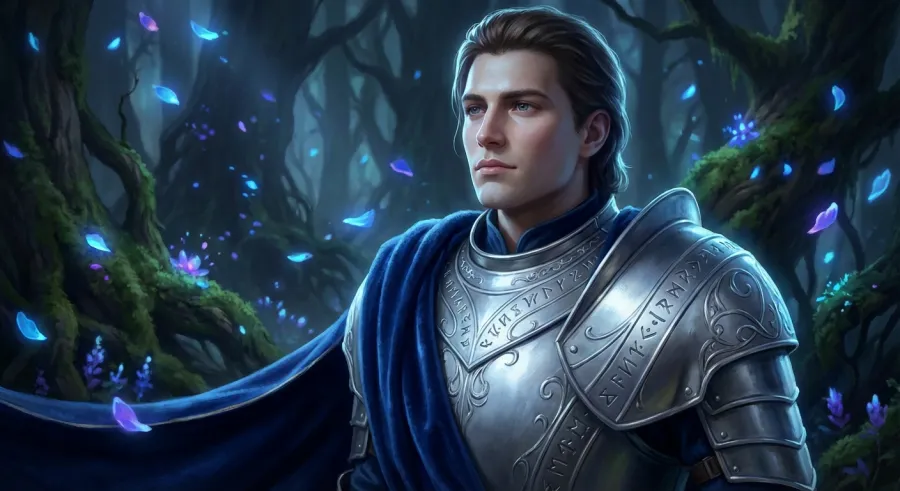
While the developers keep the exact recipe a secret, opendream ai art clearly utilizes advanced diffusion techniques. It likely uses a customized VAE (Variational Autoencoder) that favors color balance and smooth gradients. This is why opendream ai art looks so good for portraits and fantasy art.
For developers looking to integrate these capabilities, checking out an API for top AI models like those offered by GPT Proto can be a life-saver. Sometimes you need the polish of opendream ai art but the scale of a unified API platform.
What Real Humans Think About Opendream AI Art
I spent some time digging through Reddit and Discord to see what the actual daily users are saying. The consensus is surprisingly consistent. People who use opendream ai art are generally happier with their "first-try" results than users of more complex tools. They like the lack of friction.
One user noted that opendream ai art feels like "an artist's assistant," whereas other tools feel like "math problems." That’s a powerful distinction. If you’re an artist, you want to focus on the prompt and the vision, not the CFG scale and the seed numbers. Opendream ai art lets you do that.
However, the lack of community tools for opendream ai art is a common complaint. If you love downloading custom LoRAs or checkpoints, you might find the opendream ai art ecosystem a bit restrictive. It’s a walled garden, but man, the flowers in that garden are beautiful.
So, who is complaining? Mostly the power users. They want more control. They want to break things. But for the 90% of people who just want a cool profile picture or a concept art piece for their novel, opendream ai art is consistently praised for its "vibes."
Community Sentiment and Opendream AI Art
It’s important to note that the opendream ai art community is smaller but more focused. You won't find the same level of technical tutorials as you would for Stable Diffusion. That's because you don't really *need* them for opendream ai art. The tool is self-explanatory.
If you find yourself needing more variety or want to explore all available AI models including the ones opendream ai art competes with, jumping into a multi-model aggregator can give you the best of both worlds. It helps you see where opendream ai art excels and where it falls short.
Best Fit by Use Case: When to Use Opendream AI Art
Not all projects are created equal. If you’re a professional illustrator looking for a base layer to paint over, opendream ai art is a top-tier choice. Its soft edges and balanced colors provide a perfect foundation. It doesn't fight you with weird textures that are hard to "paint out."
For marketing teams, opendream ai art is a godsend. You can generate a dozen variations of a hero image and know they’ll all have a cohesive, high-end feel. It prevents the brand from looking "cheap" with poorly generated AI artifacts. Opendream ai art keeps things looking premium.
- Fantasy Art: Opendream ai art excels at magical lighting and ethereal atmospheres.
- Portraiture: The soft-focus nature of opendream ai art makes for flattering, non-uncanny human faces.
- Social Media: When you need a quick, eye-catching visual, opendream ai art delivers without the fuss.
- Concepting: Use opendream ai art to rapidly iterate on color palettes and mood boards.
On the flip side, if you're doing technical architectural visualization, maybe skip the opendream ai art for now. You’ll spend too much time trying to sharpen the lines. Use the right tool for the job. Opendream ai art is a brush, not a ruler.
Integrating Opendream AI Art into Professional Workflows
If you're managing a team of creators, you need to track how much you're spending on these tools. It's easy to lose track. I usually suggest a way to manage your API billing if you're scaling up. Opendream ai art is great, but overhead can kill a project.
Integrating opendream ai art results into a pipeline involving Midjourney or DALL-E 3 can also be effective. Use opendream ai art for the "feel" and other models for the "detail." Mixing models is how the real pros get things done in 2024.
The Verdict: Is Opendream AI Art Worth Your Time?
Here’s the thing. Opendream ai art isn't for everyone, and that's okay. If you’re the type of person who likes to rewrite code and spend hours fine-tuning a single image, you’ll probably get bored. You'll miss the complexity of Fiddl or a local SD setup.
But if you value your time? If you want an image that looks like it was painted by a human with an actual sense of aesthetics? Then opendream ai art is hard to beat. It’s the "it just works" solution in a world of "it works if you have the right drivers."
I personally keep opendream ai art in my toolbox for specific aesthetic needs. It fills a gap between the clinical precision of DALL-E and the chaotic energy of Midjourney. It’s a specific flavor of AI. If you like the taste, you’ll keep coming back for more.
In the end, opendream ai art succeeds because it knows its audience. It’s for the dreamers, not just the prompt engineers. It focuses on the "art" in AI art. And in a market saturated with technical specs, that focus on beauty is refreshing.
Final Thoughts on Choosing Opendream AI Art
Before you commit, give it a spin. See how the opendream ai art engine handles your favorite prompts. Does the softness work for you, or do you crave that digital sharpness? Your preference will tell you everything you need to know.
And if you're a developer or business looking to scale this kind of creativity, don't forget to check latest AI industry updates to see how platforms like GPT Proto are making it easier to access these models at a fraction of the cost. The world of opendream ai art is only getting bigger.
Written by: GPT Proto
"Unlock the world's leading AI models with GPT Proto's unified API platform."