Why People Are Talking About GPT Image 2 Right Now
For most of 2025, getting access to GPT Image 2 required a paid ChatGPT subscription. That changed in early 2025 when OpenAI opened it to all users, including those on the free tier. Within days, creators, marketers, developers, and casual users were sharing results that looked nothing like what people expected from an AI image tool.
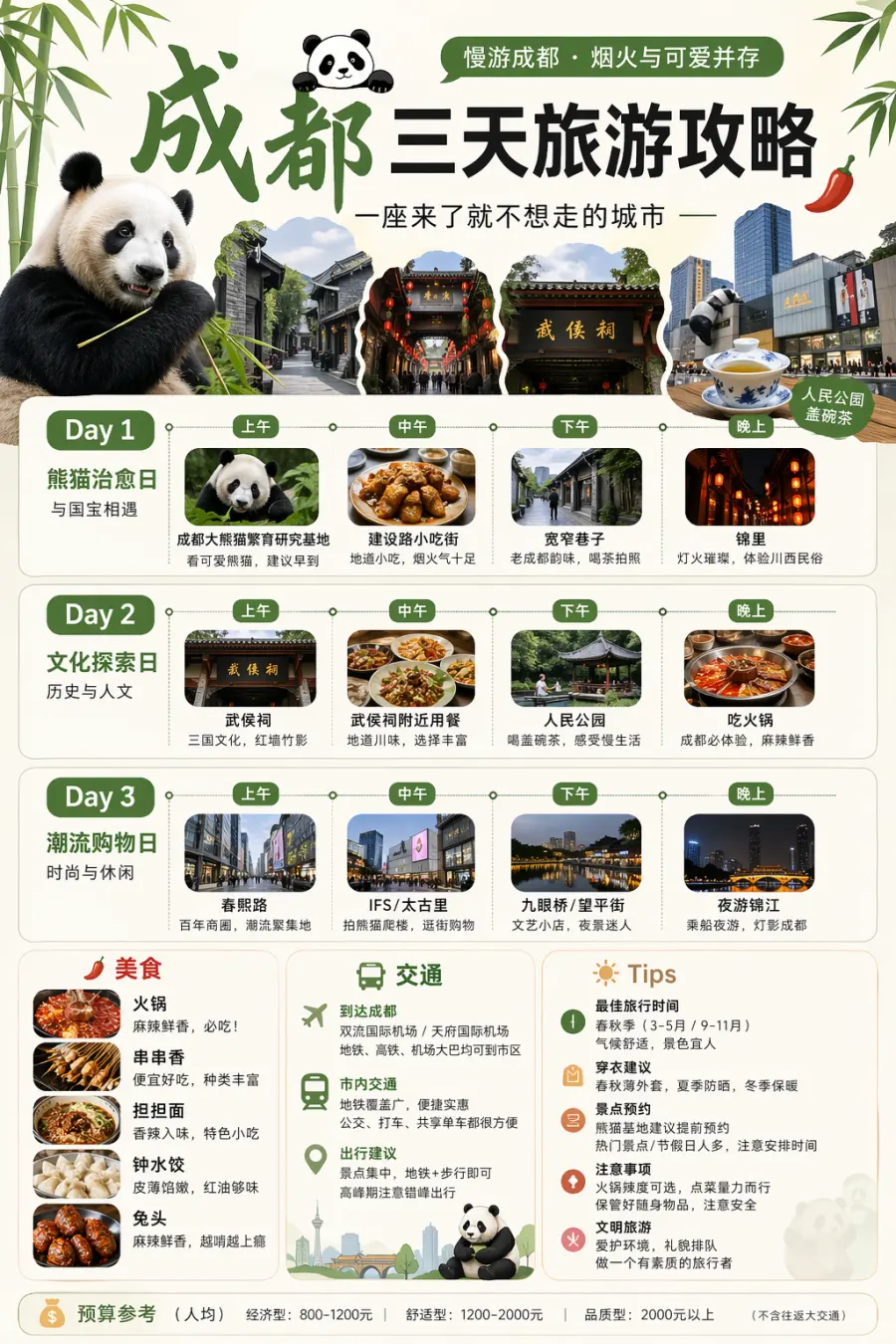
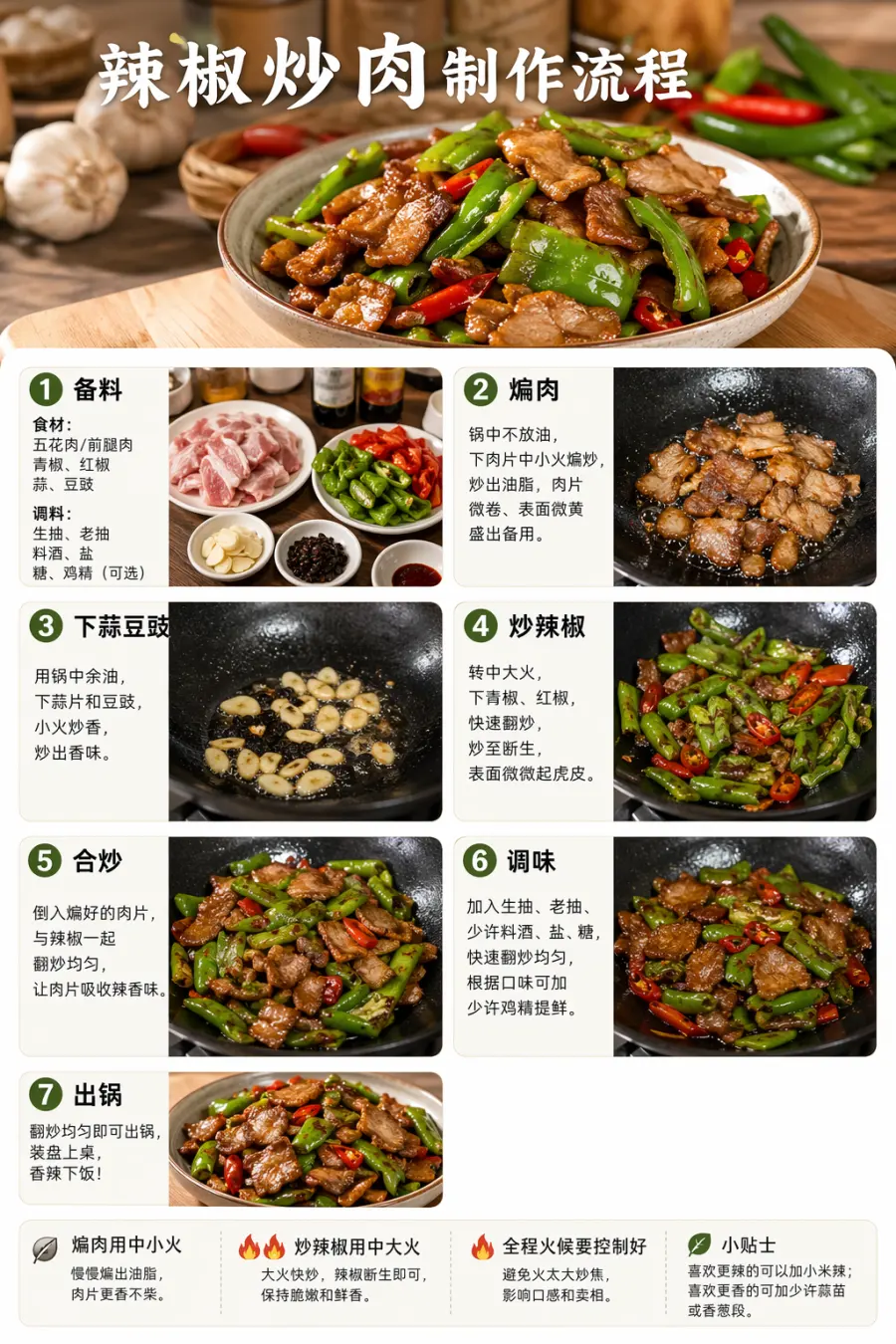
Travel guides with clean layouts. Step-by-step recipe cards. Ink-wash posters rendered in traditional Chinese painting styles. Social media mockups that looked like real screenshots. And Chinese text — something earlier models consistently mangled — rendered cleanly and correctly.
If you have been comparing options for AI image generation and wondering how GPT Image 2 stacks up against Nano Banana Pro, or how to access these models reliably through an API, this article covers all of it. You will find a practical comparison, prompt examples you can use today, and a look at how GPT Proto gives developers and teams stable access to both models. For a deeper look at what changed between model versions and what the upgrade means in practice, the GPT Image 2 complete guide on GPT Proto's blog is a useful companion read.
What GPT Image 2 Can Do That Surprised Everyone
The reaction from early users was consistent: the gap between what they expected and what they got was large. GPT Image 2 handles a wide range of visual styles with a single short instruction, and it understands context that previous models would have ignored or misread.
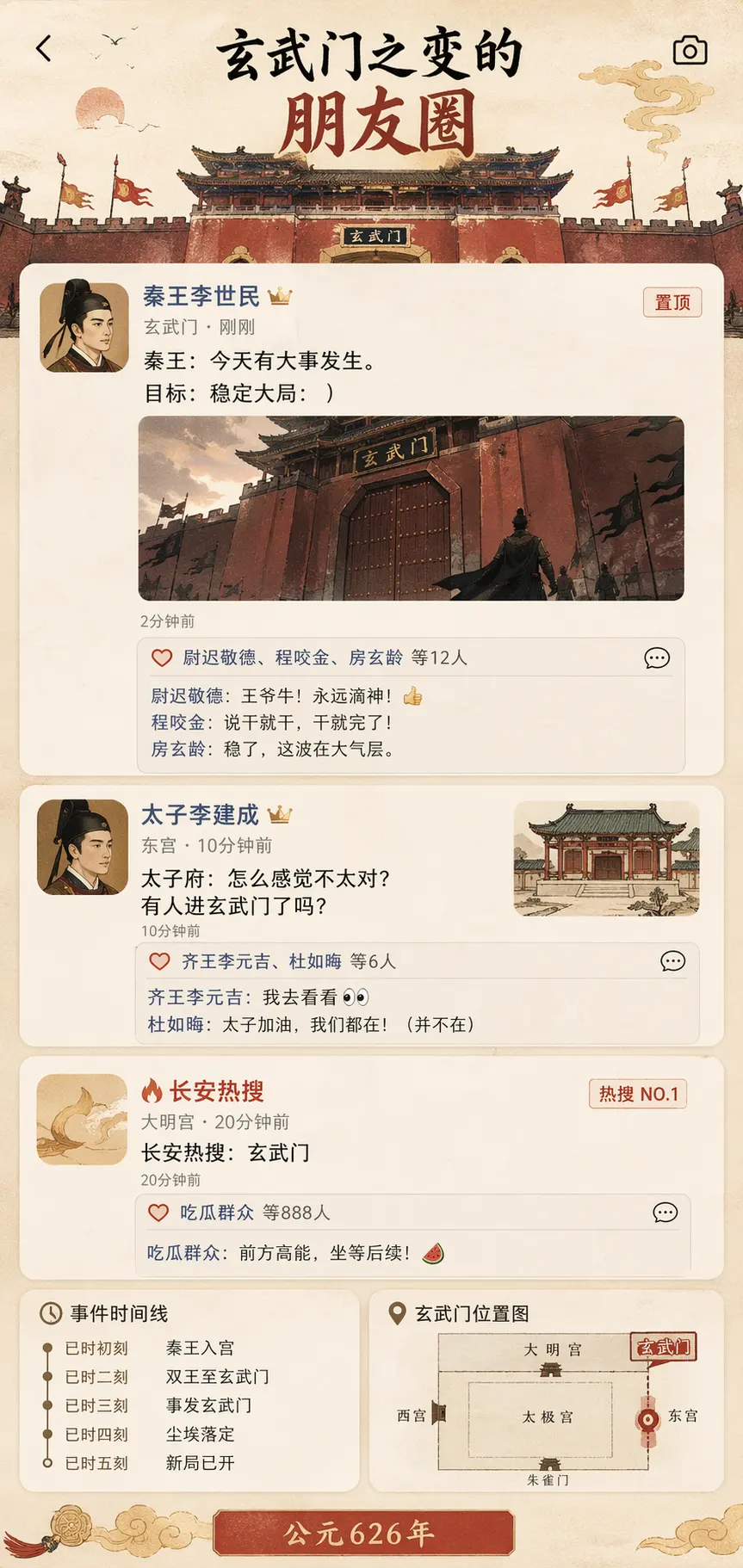
A seven-word prompt like "the WeChat moments feed from the Xuanwu Gate Incident" produced a convincing social media mockup set in Tang Dynasty China, complete with character names, timestamps, and comment threads. That kind of interpretive leap — translating a historical event into a modern interface format — requires the model to hold multiple concepts at once and render them coherently.
For content creators, this changes the math on what they can produce without a designer.
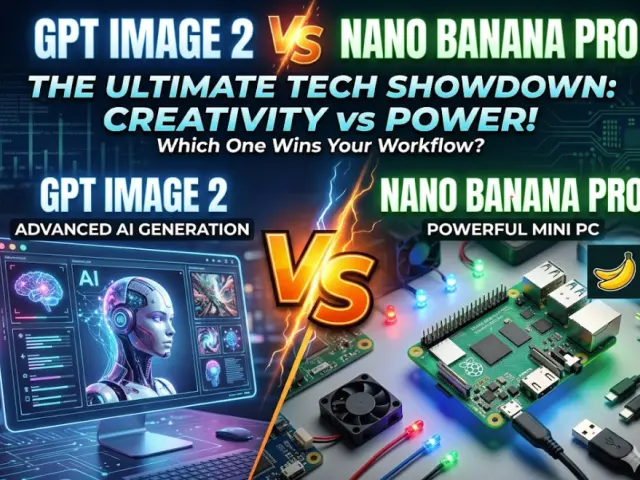
GPT Image 2 vs Nano Banana Pro — A Side-by-Side Look
Both GPT Image 2 and Nano Banana Pro are capable AI image generation tools, but they approach the task differently and excel in different areas. Here is a direct comparison across the dimensions that matter most to creators and developers.
| Feature |
GPT Image 2 |
Nano Banana Pro |
| Chinese and CJK Text Rendering |
Excellent, accurate characters |
Inconsistent, frequent errors |
| Photorealism |
Very high, film-grain detail |
Good, slightly stylized |
| Infographic and Layout Generation |
Strong, multi-section outputs |
Moderate |
| Prompt Language Support |
Chinese and English both effective |
Primarily English |
| One-Line Prompt Performance |
Reliable for many content types |
Requires more specificity |
| Creative / Historical Mashups |
Handles abstract context well |
Limited interpretive range |
| API Availability |
Yes, via GPT Proto |
Yes, via GPT Proto |
| Image Editing (Inpainting) |
Supported |
Supported |
The core difference is in language comprehension and contextual inference. GPT Image 2 does not just generate images based on visual descriptions. It understands implied scenarios and translates them into coherent compositions. Nano Banana Pro is a strong performer for structured English prompts and consistent stylistic output, but GPT Image 2 takes the lead when the task involves nuance, text rendering, or complex layouts.
10 Prompt Patterns That Get the Best Results from GPT Image 2
Getting great results from GPT Image 2 is not just about having access to the model. The quality of what you put in determines what comes out. After testing dozens of real prompts from the community, here are the patterns that consistently work. If you want a step-by-step walkthrough with more examples, GPT Proto's how to use GPT Image 2 guide goes deeper on each use case.
Simple One-Line Prompts That Actually Work
Some of the most impressive results come from very short prompts. GPT Image 2 fills in the gaps intelligently, which means you do not always need to over-explain.
-
"[Historical event] as a social media post" — One of the most creative applications. Try famous battles, political moments, or cultural events and see how the model translates them into modern interface formats.
-
"Generate a calligraphy piece in the style of [artist name]" — Works well for Chinese calligraphers. The model simulates brushwork, aging, ink spread, and seal stamps without needing detailed instructions.
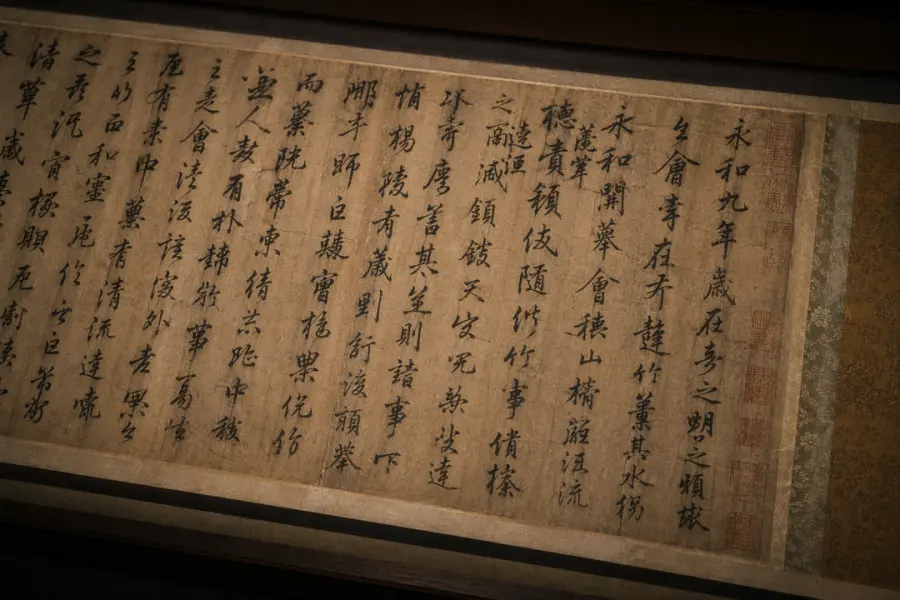
For these short prompts, start without extra detail and add specifics only if the first result misses something important.
Structured and Photography-Style Prompts
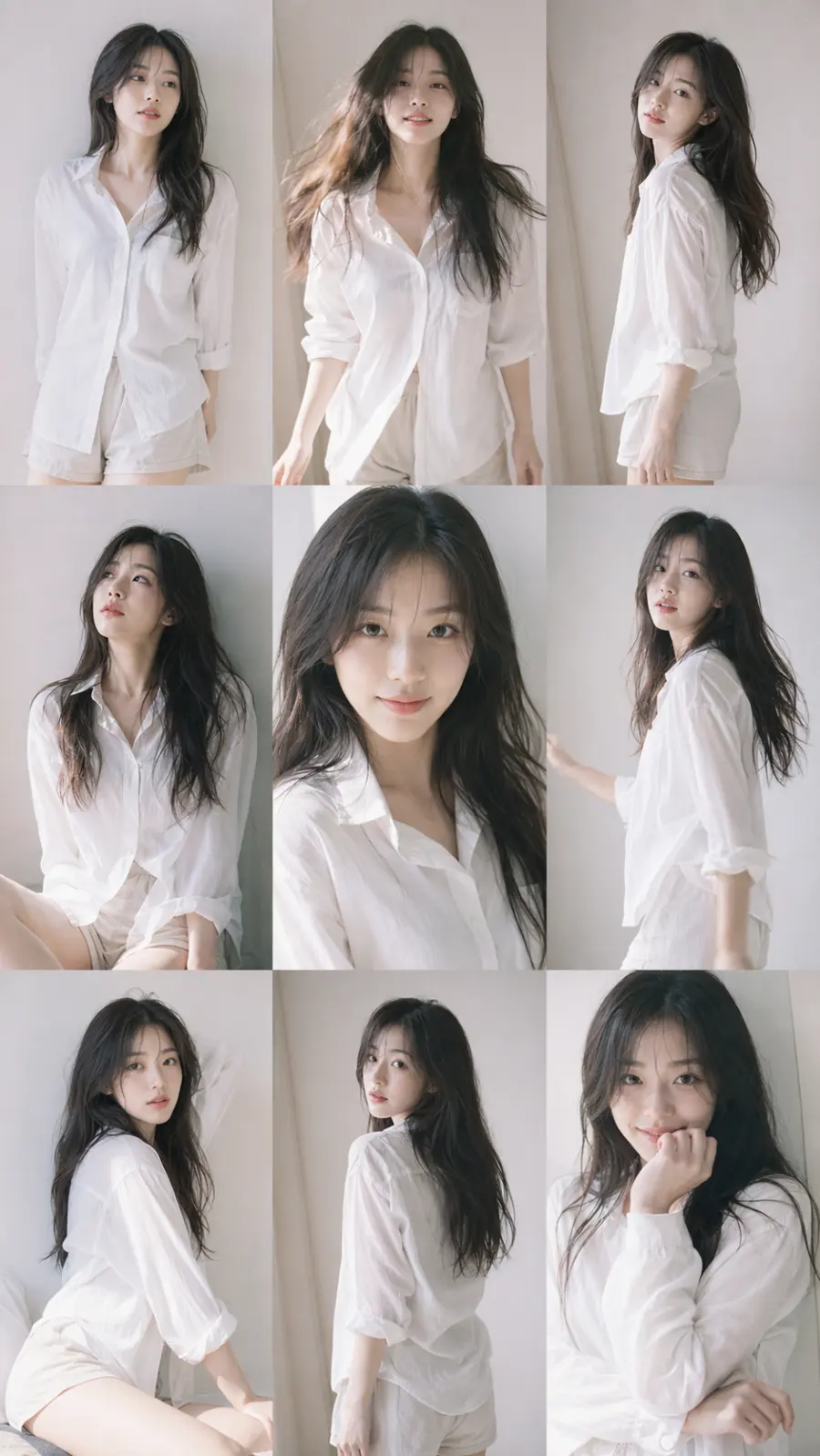
For portraits and photorealistic images, more specific prompts produce significantly better results. Photography terminology is especially effective because GPT Image 2 understands it accurately.
Here are the key dimensions to specify for portrait-style prompts:
-
Camera type and format: "35mm analog film" or "mobile candid snapshot"
-
Lighting: "diffused natural window light" or "harsh direct flash"
-
Skin and texture: "natural skin texture, no retouching, soft grain"
-
Pose and expression: describe the caught-off-guard or intentional nature of the shot
-
Mood words: "understated," "quiet," "intimate," "dreamy"
-
Aspect ratio: always specify, for example "9:16" for portrait or "16:9" for widescreen
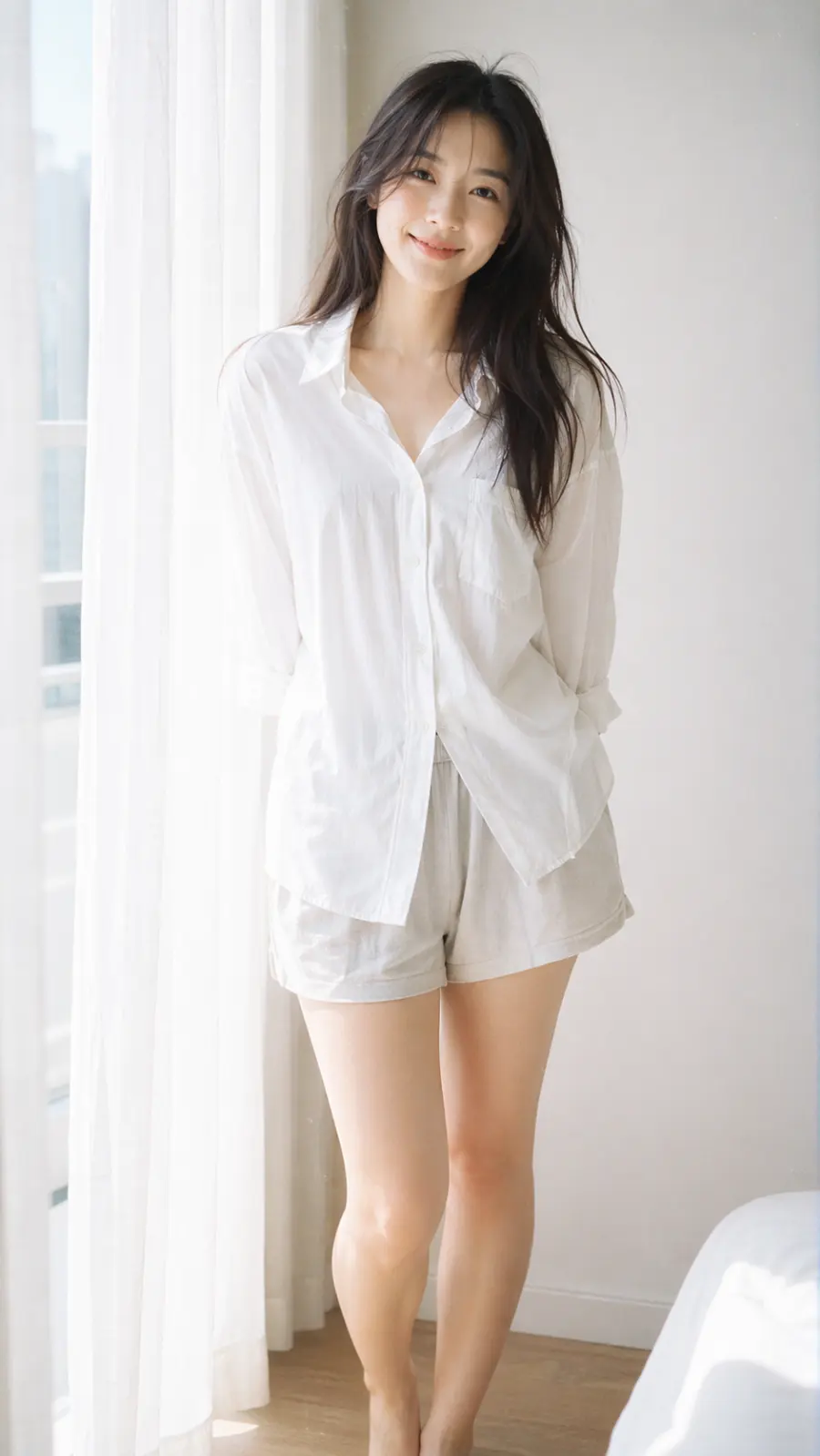
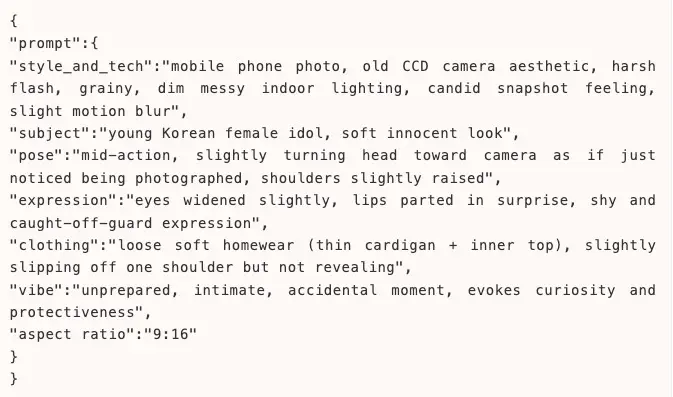
You can also write prompts in JSON format, with separate keys for style, subject, pose, expression, clothing, and vibe. This makes it easy to swap one dimension without rewriting the whole prompt.
Creative and Cultural Prompts
The most unexpected use cases come from combining contexts that do not normally belong together. GPT Image 2 handles these creative collisions better than any previous model in this category.
Try prompts like:
-
A famous historical battle rendered as a trending topic list on a news app
-
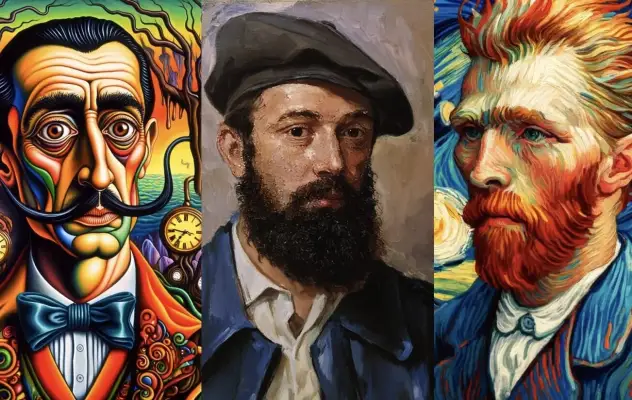
A classical painting style applied to a modern office setting
-
A traditional ink wash mountain landscape poster with specific calligraphy text and seasonal color notes
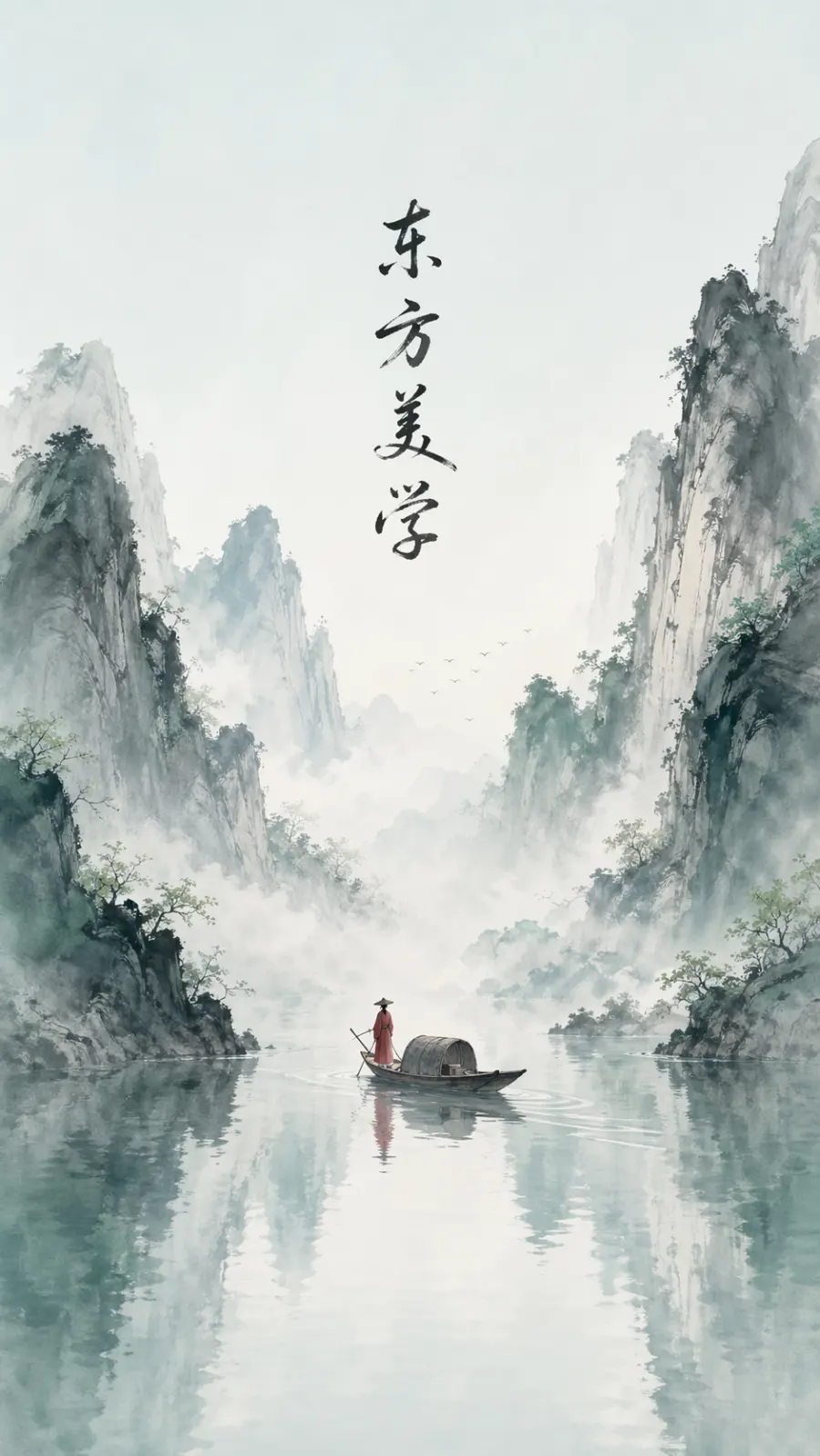
For Chinese ink wash (水墨) styles in particular, using traditional painting terminology like "ink wash gradients," "wet-dry brush variation," and "morning mist layering" produces results that go far beyond what generic style prompts achieve.
How GPT Proto Gives You Stable API Access to GPT Image 2
When a major AI platform makes pricing or policy changes, developers who built workflows on top of it face real disruption. Subscriptions shift. Rate limits tighten. Access that was available one month disappears the next. For teams building products or automating content pipelines, that kind of instability is expensive.
GPT Proto is built to solve this. It is a unified AI API platform that gives developers access to more than 200 models from over 20 providers through a single API key and a single billing setup. No juggling multiple accounts. No re-integrating every time a provider changes its terms.
For GPT Image 2 specifically, GPT Proto offers:
If your workflow also involves earlier versions, GPT Proto supports GPT Image 1 and GPT Image 1.5, so you can compare outputs across model generations or maintain backward compatibility without switching platforms.
You can explore the full AI model library to see what else is available alongside the GPT Image family.
Why API Stability Matters More Than You Think
For individual creators, losing access to a model for a day is frustrating. For a team running automated content pipelines, a pricing change or a deprecated endpoint can break production workflows and delay deliveries.
GPT Proto's approach is to absorb that instability on the infrastructure side. When OpenAI updates an endpoint or adjusts access tiers, GPT Proto handles the transition so that the API surface your team depends on keeps working. Combined with transparent and affordable pricing, this is why developers building on AI image generation choose a unified API provider over direct access through each provider's consumer interface.
Frequently Asked Questions About GPT Image 2 and Nano Banana Pro
Q: Is GPT Image 2 actually free to use now?
Yes, OpenAI made GPT Image 2 available to free-tier ChatGPT users in early 2025. However, free access may come with usage limits. For production use or higher volume, API access through a platform like GPT Proto gives you more control over cost and availability.
Q: What makes GPT Image 2 better than Nano Banana Pro for certain tasks?
The main advantages are Chinese and CJK text rendering, contextual inference from short or abstract prompts, and photorealistic output with film-style qualities. Nano Banana Pro is competitive for structured English prompts and consistent stylistic output, but GPT Image 2 leads when text accuracy or complex layouts are involved.
Q: Can I use GPT Image 2 for commercial content production?
Yes, but you should review OpenAI's usage policies for commercial use. If you are building a product or automating content at scale, using GPT Image 2 through the API via GPT Proto gives you more predictable costs and easier integration than the consumer ChatGPT interface.
Q: Does GPT Proto support image editing, not just generation?
Yes. GPT Proto provides access to image editing endpoints for both GPT Image 2 and GPT Image 2 Plus, which support inpainting and modification of existing images. This is useful for workflows where you need to adjust specific parts of a generated image rather than regenerating from scratch.
Final Thoughts
GPT Image 2 is a real step forward in AI image generation, and the community response since its full public release confirms it. The combination of accurate text rendering, photorealistic output, and flexible prompt understanding makes it genuinely useful for a wide range of content needs, from social media graphics to creative editorial work.
Compared to Nano Banana Pro, GPT Image 2 holds a clear advantage in multilingual text accuracy and contextual inference, while both tools have solid use cases depending on what you are building.
If you need reliable, scalable API access to GPT Image 2 and want to avoid the uncertainty that comes with direct consumer platform access, GPT Proto AI API Platform is the most practical path. One key, one platform, access to every model in the GPT Image family and hundreds more.