TL;DR
Scaling video production via the synthesia api offers massive efficiency for developers and marketers, provided you navigate the uncanny valley and high localization costs.
Film crews and lighting setups are becoming optional for high-volume content. The synthesia api turns a JSON script into a polished video in minutes, allowing teams to skip the logistics of traditional production. It is a fundamental shift in how we think about digital communication.
But the tech isn't a magic bullet. Real-world implementation requires a delicate balance between automation and human oversight. You need to know where the synthesia api shines—like short marketing clips—and where it falters, particularly in long-form training where engagement can drop off.
Costs also remain a significant hurdle for many. While basic access is reachable, the price of advanced localization through the synthesia api can bite into your ROI if you aren't careful. Success comes from choosing the right tier for your specific volume and use case.
Automating Video With The Synthesia API
Generating video content at scale used to be a nightmare of lighting setups and retakes. Now, the synthesia api provides a programmatic way to turn text into professional-looking video using artificial intelligence. It's a massive shift for developers who need to generate hundreds of personalized clips without a film crew.
The synthesia api works by tapping into a library of lifelike avatars and high-quality voiceovers. You send a script via a JSON request, and the platform renders a video of a person speaking those lines. It's built for speed and consistency, which is exactly what modern marketing teams crave.
But let's be real: technology this powerful isn't just "set it and forget it." Integrating the synthesia api requires a solid understanding of how these ai video systems actually process data. You aren't just sending text; you're orchestrating a digital performance that needs to feel authentic to your audience.
Scaling Synthesia API Production
When you start scaling your video production, the synthesia api becomes your primary engine. You can connect it to your CRM or CMS to trigger automated video generation whenever a new product launches. This level of synthesia api automation is where the real ROI lives for most enterprise users.
Think about the sheer volume of content creation possible when you remove the human bottleneck. With the synthesia api, your only limit is your prompt engineering and your subscription tier. It's about building a robust content pipeline that serves users in real time, rather than waiting weeks for post-production.
"I use it to create short promotional content for one of my clients and it works well," says one long-time synthesia api user.
However, scaling isn't just about volume; it's about quality control. Every video generated via the synthesia api must be checked for pronunciation glitches. While the ai voiceovers are generally excellent, specialized industry jargon can occasionally trip up the synthesia api voice engine during automated video production.
Overcoming Uncanny AI Video Challenges
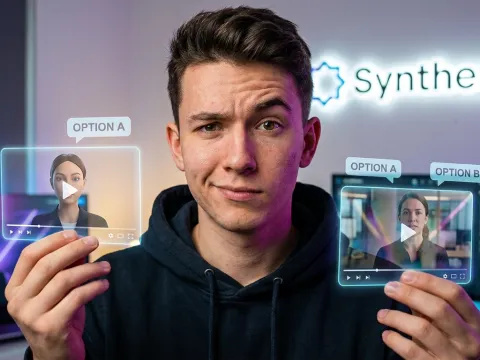
We need to talk about the elephant in the room: the uncanny valley. Some users find the synthesia api avatars a bit too robotic, which can actually hurt engagement. If your audience feels like they're being lectured by a ghost in the machine, they're going to click away fast.
Engagement issues are a common complaint among those using the synthesia api for internal training. If the avatar's movements don't perfectly match the emotional weight of the script, the disconnect is jarring. This is why synthesia api implementation requires a careful touch when selecting your digital presenters.
Successful synthesia api users often stick to shorter clips to mitigate this effect. Keeping the ai video generator focused on 60-second bursts prevents the viewer from dwelling on the avatar's micro-expressions. It's a strategic way to use the synthesia api without making people feel uncomfortable or bored.
Engagement With Synthesia API Avatars
There is a harsh reality in the learning and development world: "Talking head content is the lowest effort, least engaging, and broadly ineffective learning solution." If you're relying solely on the synthesia api to carry a 20-minute training module, you're going to see your engagement scores tank.
The trick is using the synthesia api as a supplement, not the whole show. Combine the avatar generator with high-quality screen recordings and data visualizations. This approach keeps the synthesia api video content dynamic and prevents the "drone effect" that happens when a digital person speaks for too long.
If you're managing complex workflows across multiple AI platforms, tools like GPT Proto can help you track your api usage in real time. Managing your synthesia api calls alongside other models ensures you aren't overspending while trying to solve these engagement hurdles.
Evaluating Synthesia API Pricing Models
The synthesia api isn't exactly cheap, especially if you're a small company or a solo developer. Pricing is often the biggest point of friction for teams looking to adopt this ai video generator. You need to weigh the cost of the subscription against the literal thousands of dollars you'd spend on actors.
Many teams find the entry-level synthesia api pricing reasonable, but the costs climb rapidly as you add features. For instance, advanced localization tools often hide behind significant paywalls. It’s important to map out your expected volume before committing to a long-term synthesia api contract.
| Plan Type |
Primary Benefit |
API Availability |
Pricing Level |
| Starter |
Individual use |
Limited access |
Low |
| Professional |
Small teams |
Full access |
Moderate |
| Enterprise |
Massive scale |
Unlimited access |
High/Custom |
The Hidden Costs Of Video Localization
Here is where things get spicy: the localization feature. The synthesia api has an incredible ability to localize videos into dozens of languages with one click. But as one Redditor noted, they often hide this behind a massive paywall, sometimes starting at $4,000 per year.
Before you dive into synthesia api pricing, ask yourself if you actually need every bell and whistle. If you only need English-language promotional clips, you might not need the top-tier enterprise plan. Flexible api integration allows you to start small and scale your synthesia api investment as your revenue grows.
To keep costs predictable, developers often use a unified platform. You can manage your api billing through third-party aggregators that help monitor spending across different AI services. This prevents unpleasant surprises when your synthesia api automation starts producing content at a high clip.
Practical Synthesia API Use Cases
So, where does the synthesia api actually shine? It's not for everything. If you're teaching people how to code, a talking head is usually a distraction. In those cases, the screen recording is the content, and no face—real or AI—needs to be talking over it.
The synthesia api is king for short promotional content and internal announcements. When you need to update a workforce of 5,000 people on a policy change, a quick synthesia api video feels much more personal than a dry email. It's about providing a human face to corporate communications at scale.
Marketing teams also love the synthesia api for A/B testing. You can generate ten different versions of a video ad with slight script variations using the synthesia api. This level of granular content creation is virtually impossible with traditional video production techniques due to the time and cost involved.
Short Form Synthesia API Content
The general rule of thumb for the synthesia api is: keep it brief. Most practitioners agree that it's great for short courses, but they’d "die if they had to watch more than 20 minutes." The synthesia api is a sprint runner, not a marathon athlete in the video world.
By focusing on short-form synthesia api content, you maximize the professional avatar generator's strengths. The voiceovers sound great in small chunks, and the avatar movements feel natural for a minute or two. This is the sweet spot for maximizing the synthesia api efficiency without hitting user fatigue.
For those interested in exploring more, you can browse various AI models that can help you write the scripts that feed into your synthesia api. Pairing a strong LLM with the synthesia api is the secret sauce for fully automated, high-quality video production.
Robust Synthesia API Alternatives
While the synthesia api is a market leader, it isn't the only game in town. Depending on your specific needs—and your budget—you might find that a different professional avatar generator fits your workflow better. It's always worth testing at least two platforms before locking in a contract.
HeyGen is the most common name that pops up when people discuss the synthesia api. Many users find HeyGen's avatars to be slightly more realistic and "human-looking." However, the consensus is that while the video quality is high, their contract terms can be a bit of a headache for some.
- HeyGen: Better realism, but some users dislike the contract structures.
- Pictory AI: Excellent for turning blog posts into videos with a solid API.
- Sightread: A free and open-source alternative for those on a tight budget.
- Hour One: Focuses heavily on the enterprise market with high-end avatars.
Comparing HeyGen And Synthesia API
The choice between the synthesia api and HeyGen often comes down to the "uncanny" factor. If your audience is particularly sensitive to AI visuals, HeyGen might have the edge. But if you value a stable, well-documented synthesia api that integrates easily into existing tech stacks, Synthesia is hard to beat.
Pictory AI is another strong contender if your goal is primarily api integration for content repurposing. It doesn't focus as much on the "talking head" avatar generator aspect but excels at creating video content from text scripts. It’s a different approach to the same problem the synthesia api solves.
If you're just starting and want to experiment, you might want to read the full api documentation of various AI providers to see which one offers the easiest developer experience. A flexible api integration is often more valuable than a slightly more realistic avatar in the long run.
Final Synthesia API Implementation Strategy
Building a successful video workflow around the synthesia api requires a mix of technical skill and creative restraint. Don't try to automate everything at once. Start with a single use case—like personalized welcome videos for new clients—and refine your synthesia api prompt strategy from there.
Remember that the synthesia api is a tool, not a total replacement for human creativity. You still need a human to write the scripts, check the voiceover pronunciation, and ensure the final ai video aligns with your brand voice. The synthesia api simply handles the heavy lifting of the visual rendering.
As the technology evolves, we can expect the synthesia api to bridge the gap in the uncanny valley. Future updates will likely bring more nuanced expressions and better gesture control. For now, lean into the strengths of the synthesia api and be honest about its current limitations with your stakeholders.
Future Proof Synthesia API Workflows
To future-proof your synthesia api investment, build your integration in a modular way. This allows you to swap out components or add new ai video generator tools as the market changes. A flexible synthesia api setup ensures you aren't stuck with yesterday's tech when a better solution emerges.
Keep a close eye on your synthesia api pricing and usage metrics. As your volume grows, you'll have more leverage to negotiate enterprise contracts. The synthesia api is a powerful ally for any digital-first company, provided you manage the costs and the "uncanny" risks with a level head.
Ultimately, the synthesia api is about efficiency. If it saves your team forty hours of filming time a month, the $4,000 paywalls start to look a lot more reasonable. It’s all about the value you derive from high-speed, automated video production in a world that demands more content every single day.
Written by: GPT Proto
"Unlock the world's leading AI models with GPT Proto's unified API platform."