


Zero-Defect Code Synthesis
Achieve elite coding performance on SWE-bench by reasoning through complex inter-file dependencies in large repos.

text
text
Web Search
curl --request POST "https://gptproto.com/v1/messages" \
  --header "Authorization: Bearer $GPTPROTO_API_KEY" \
  --header "Content-Type: application/json" \
  --header "anthropic-version: 2023-06-01" \
  --data '{
    "model": "claude-opus-4-1-20250805-thinking",
    "max_tokens": 1024,
    "messages": [
      {
        "role": "user",
        "content": "What'\''s the weather in NYC?"
      }
    ],
    "tools": [
      {
        "type": "web_search_20250305",
        "name": "web_search",
        "max_uses": 5
      }
    ]
}'Powerful tools designed for the most demanding agentic and reasoning workflows.
Achieve elite coding performance on SWE-bench by reasoning through complex inter-file dependencies in large repos.
Process up to 500,000 tokens with near-perfect information retrieval across entire technical documentation sets.

Claude executes code to filter search results, keeping only relevant information to ground responses while saving tokens.

Claude deliberates using an internal token budget to reduce logical errors in complex multi-step problems and code.
Getting a claude-opus-4-1-20250805-thinking API key takes four steps and a few minutes. Create a free GPTProto account, add credits, generate your key, and make your first call — at $12 / $60 it's a cheaper claude-opus-4-1-20250805-thinking API key than going direct, and one key works across every model on the platform. Full claude-opus-4-1-20250805-thinking Documentation is in the docs.

Sign up
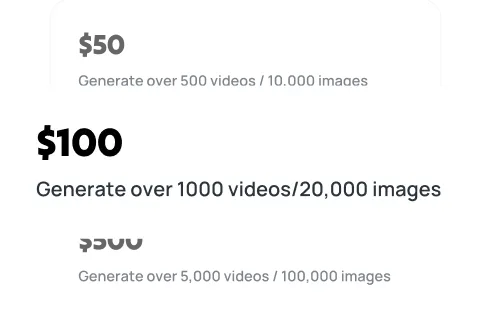
Top up
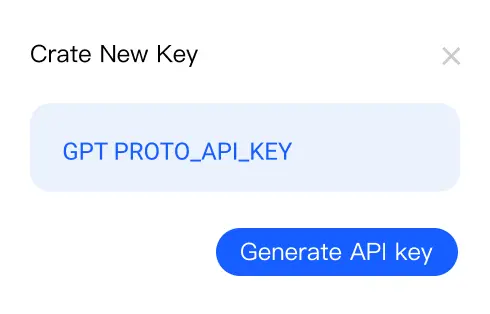
Generate your API key
Make your first API call
Find answers regarding Claude 4.1 reasoning capabilities, pricing, and technical implementation for your code and data projects.
Claude Sonnet 4-5 guide - features, pricing, and access via GPT Proto. Perfect for coding, research, and business task automation.

Learn how to set up the Claude 4.5 API, understand token-based pricing, choose between Opus, Sonnet, and Haiku models, and integrate Claude into your applications with step-by-step instructions and real-world examples.
Complete guide to the Anthropic API, including Claude 4.5 models, current pricing, how to obtain an API key, cost optimization strategies, and seamless integration with unified API platforms.

Claude Mythos is a step change in AI performance. Learn why its reasoning and cyber capabilities have the industry on alert. Get the full breakdown.