What seaart ai Does in the Current Generation Space
If you've spent any time in the image generation world, you know it's getting crowded. Everyone is trying to be the next Midjourney, but seaart ai has carved out a specific niche. It's essentially a high-powered, web-based interface for Stable Diffusion models.
The core appeal of seaart ai is accessibility. You don't need a beefy GPU or a degree in computer science to get started. It brings professional-grade tools to a browser window, allowing users to leverage complex AI weights and checkpoints without the local hardware headache.
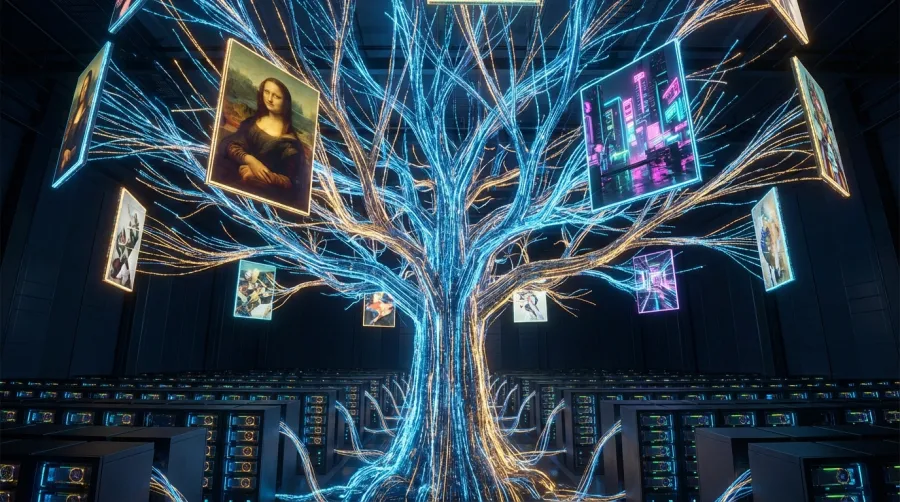
But here's the thing: while the tool is powerful, it's not without its quirks. Many practitioners use seaart ai because it consolidates thousands of community models in one place. You get access to a massive library of LoRAs and specialized fine-tunes that would otherwise take hours to download locally.
So, why are people flocking to it? It’s the combination of a free daily allowance and a UI that mimics a professional studio. It attempts to bridge the gap between "one-click" generators and the deep complexity of a local Automatic1111 setup.
The Massive Model Library Within seaart ai
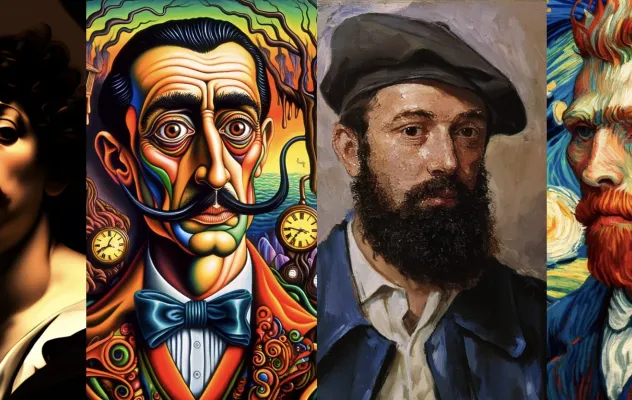
One of the strongest selling points of seaart ai is the integration with Civitai-style repositories. You aren't just limited to a single base model. Instead, you can pick and choose specific artistic styles, from hyper-realism to stylized 2D illustrations.
This variety allows users to experiment with seaart ai in ways that more restrictive platforms don't allow. You can layer different architectural styles or character concepts quite easily. It feels like a playground for those who want more control over the final aesthetic of their AI projects.
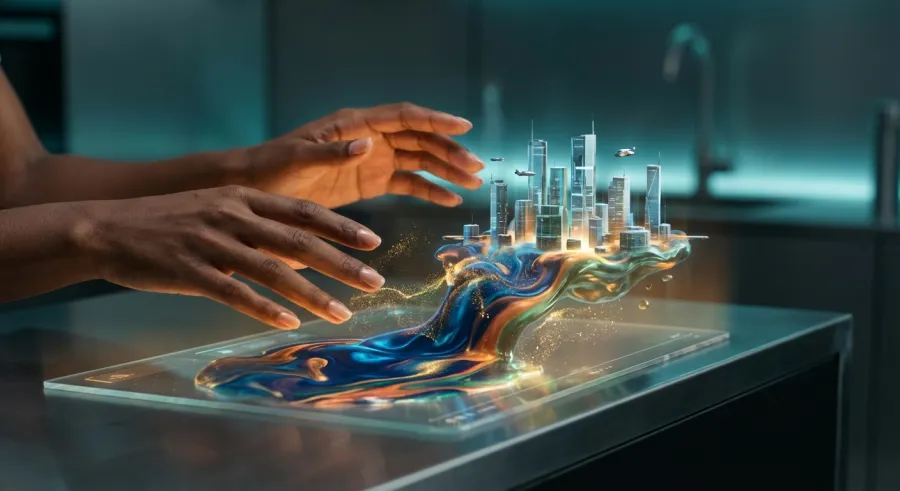
The real power of seaart ai lies in its model aggregation, giving casual users access to specialized checkpoints that were previously reserved for the local-host elite.
Cloud-Based Rendering Efficiency
Processing power is the silent killer of creative flow. When you use seaart ai, you're offloading all that heavy lifting to their servers. This means you can generate high-resolution images on a Chromebook or an old laptop without hearing the fans scream.
For many, this cloud efficiency is the primary reason to stick with seaart ai. The speed of generation is generally impressive, often outperforming mid-range home setups. It’s about getting from prompt to result in seconds rather than minutes, keeping the creative momentum alive.
How to Get Started With Your seaart ai Account
Setting up an account on seaart ai is straightforward, but you should be mindful of what you're signing up for. You can usually jump in with a Google or Discord login. Once inside, the dashboard can look a bit overwhelming at first glance.
Don't let the buttons scare you. The basic workflow in seaart ai starts with the "Generation" tab. Here, you’ll find your standard text-to-image prompt box. It's best to start with something simple to see how the default model interprets your instructions.
Most new users ignore the "Swift" vs. "Advanced" modes. If you want the full seaart ai experience, you'll eventually want to move into the advanced settings. That's where you control aspects like sampling steps, CFG scale, and seed numbers for repeatable results.
And let's talk about the credits. Every day, seaart ai gives you a "stamina" refill. It's enough for a handful of high-quality generations. If you’re a power user, you’ll burn through these fast, which leads us to the various subscription tiers they offer.
Navigating the seaart ai Generation Interface
The interface is designed to be a one-stop shop. On the left side of seaart ai, you have your toolsets: text-to-image, image-to-image, and even some basic video tools. The center stage is where your creations appear, and the right panel holds your fine-tuning controls.
It’s helpful to think of seaart ai as a digital darkroom. You provide the "negative" (the prompt) and then adjust the "chemicals" (the parameters) to get the exposure right. This layout helps keep the workspace organized as you generate dozens of iterations.
- Select a base model that matches your intended art style.
- Add LoRAs to fine-tune specific character or environmental details.
- Adjust the aspect ratio to fit your final platform needs.
- Use negative prompts to tell seaart ai what to stay away from.
Managing Your seaart ai Workspace and Credits
Credits are the lifeblood of the platform. Inside your seaart ai dashboard, you can track how much stamina you have left. It’s worth noting that more complex tasks, like upscaling or using advanced ControlNet features, will consume more resources.
If you're using seaart ai for professional work, keeping an eye on your usage is vital. You don't want to be mid-project and run out of juice. The billing center allows you to top up, though some users have reported friction when trying to manage their subscriptions.
Key Features Walkthrough of seaart ai Tools
What sets seaart ai apart from basic generators is the depth of its technical toolkit. We aren't just talking about typing a prompt and hoping for the best. The platform includes several "Advanced" features that mirror a professional Stable Diffusion workflow.
ControlNet is perhaps the most significant feature within seaart ai. It allows you to guide the AI by providing a reference image for pose, depth, or edge detection. This means if you want a character to stand in a specific way, you can literally draw a stick figure and have the AI follow it.
Then there's the "Img2Img" capability. This lets you take an existing photo and transform it using the seaart ai engine. It's perfect for those who have a rough sketch and want to see it rendered with professional lighting and textures.
The platform also supports "Inpainting," which is a fancy way of saying you can fix mistakes. If your seaart ai generation is perfect except for a weirdly shaped hand, you can mask that area and tell the AI to try again on just that spot.
Mastering ControlNet Within seaart ai
ControlNet isn't just one tool; it's a suite of modules. In seaart ai, you can use "Canny" to follow outlines or "OpenPose" to replicate a human stance. This level of control is why many digital artists have integrated the platform into their creative process.
Using these modules requires a bit of trial and error. You have to balance the "weight" of the ControlNet against your text prompt. If the weight is too high, the seaart ai output might look stiff. If it's too low, the AI might ignore your reference image entirely.
| ControlNet Type |
Best Use Case in seaart ai |
| OpenPose |
Getting specific character poses and gestures. |
| Canny/Lineart |
Turning sketches or outlines into full renders. |
| Depth |
Maintaining spatial relationships in complex scenes. |
Utilizing LoRAs and Task-Specific Models
LoRAs are like "mini-models" that teach the AI specific things. Want your image to look like a 90s anime? There's a LoRA for that in seaart ai. Want a specific celebrity's face? There's likely a LoRA for that, too.
Combining multiple LoRAs is where the magic happens. You can mix a "Cyberpunk" LoRA with a "Watercolors" LoRA to create something truly unique. Just be careful—stacking too many in seaart ai can lead to "fried" images where the colors and shapes start to fall apart.
Real-World seaart ai Issues: Privacy and Censorship
Now, we need to address the elephant in the room. Not everything is sunshine and rainbows when using seaart ai. Real users on platforms like Reddit have voiced serious concerns regarding how the platform handles your data and what you're allowed to create.
One major issue is persistent accessibility. Users have discovered that images they thought were deleted from seaart ai actually remained live on the CDN. If you generate an image, copy the direct link, and then delete the image from your gallery, that direct link often still works.
This raises massive red flags for anyone concerned about privacy. It implies that "deleting" something from the seaart ai interface doesn't actually remove the file from their servers. If you're working on sensitive or private content, this is a risk you need to weigh carefully.
Then there's the censorship. While seaart ai is generally more permissive than Midjourney, it has become increasingly restrictive. Many users report that any prompt involving women or girls often triggers a block, even if the prompt isn't inherently NSFW. This "blanket" censorship can be incredibly frustrating for artists.
The Problem With seaart ai Data Retention
The fact that images remain on the CDN after deletion is disturbing. It gives users a false sense of security. When you click delete on seaart ai, you expect your data to be purged. Knowing that a direct URL still functions means your work is still "out there" somewhere.
For professional creators, this data retention policy is a dealbreaker. You cannot have client work or proprietary concepts lingering on a public-facing CDN. This highlights the inherent risk of using cloud-based platforms like seaart ai compared to running things on your own hardware.
"I deleted the image from the website, but the direct CDN file URL still loaded the image. It's disturbing on many levels." — Reddit User Feedback.
Navigating seaart ai Content Restrictions
Censorship in seaart ai isn't just about what's forbidden; it's about how inconsistently the rules are applied. Some users in Europe have noted that they paid for subscriptions only to have the platform tighten its restrictions shortly after. It feels like a bait-and-switch for those who wanted more creative freedom.
These regional restrictions often feel arbitrary. If you're using seaart ai and suddenly find your favorite prompts are being blocked, it's usually a sign that the platform has updated its safety filters. This makes the tool feel less like a professional creative suite and more like a guarded sandbox.
seaart ai Limitations and Recommended Alternatives
If the privacy concerns and censorship are too much, what are your options? Many experienced practitioners eventually move away from seaart ai in favor of local generation. Running Stable Diffusion on your own machine means you have 100% control over privacy and zero censorship.
But not everyone has a $2,000 GPU. In those cases, looking for alternative cloud platforms is a smart move. Some users recommend sites like SocialSight, which are reported to have less restrictive policies and a similar user experience to what seaart ai offers.
Another path is looking into unified API solutions. If you're a developer or a high-volume creator, you might find that using a platform like GPT Proto to learn more about seaart ai alternatives is more efficient. These services often provide more transparent pricing and better data handling than standalone web tools.
The limitation of seaart ai isn't just in its rules, but also its support. Many users have complained about a lack of response when asking for refunds or help with technical glitches. This lack of accountability makes it hard to recommend for serious business use.
Why You Might Want to Run AI Locally
Going local is the ultimate "power move" in the image generation world. When you bypass platforms like seaart ai, you're no longer bound by their stamina points or their filters. You can use any model, any LoRA, and generate as much as you want for free (minus the electricity bill).
Tools like Forge or ComfyUI are the gold standard here. They offer even more depth than seaart ai but require a significant learning curve. If you're tired of the "stamina" grind and want absolute privacy, spending a weekend learning to install a local UI is well worth the effort.
- Complete privacy: Your images never leave your hard drive.
- Zero censorship: Use any prompt you want without fear of being banned.
- No subscriptions: Stop paying for stamina or monthly tiers.
- Total control: Access advanced features that web platforms often hide.
Exploring the seaart ai API for Developers
For those building their own apps, the seaart ai API is an option, but it comes with its own set of hurdles. Managing API keys and dealing with the same censorship filters at the code level can be a headache. It's often better to look for an aggregator that provides a cleaner interface.
If you're looking for a more robust developer experience, you might want to read the full API documentation for seaart ai and other models via a unified platform. This allows you to switch between different providers without rewriting your entire codebase, which is a huge time-saver in a rapidly changing industry.
Is seaart ai Worth Your Time and Money?
So, where does that leave us? Is seaart ai a top-tier tool or a privacy nightmare? The truth, as always, is somewhere in the middle. For a casual user who wants to generate a few cool images for a D&D campaign or a social media post, the free tier of seaart ai is fantastic.
However, if you are a professional concerned about copyright, privacy, or the ability to generate unrestricted content, you need to be cautious. The reports of "deleted" images remaining accessible on the seaart ai servers are too significant to ignore. It suggests a lack of technical maturity in their infrastructure.
If you do decide to use it, my advice is to treat it as a public space. Never generate anything in seaart ai that you wouldn't be comfortable seeing leaked on the internet. Use it for the artistic experimentation it's good at, but keep your sensitive work elsewhere.
Ultimately, seaart ai serves as a great entry point. It shows you what's possible with modern models without requiring complex setup. But like many "free-to-start" platforms, the real cost might be your data privacy and creative freedom.
Who Should Stick With seaart ai?
seaart ai is perfect for hobbyists. If you just want to see what you'd look like as a cyberpunk hacker or generate some landscape art for your blog, it's one of the most feature-rich web tools available. The sheer volume of models integrated into seaart ai is hard to beat for a casual browser experience.
It's also a great place to "test" models before you download them locally. Think of seaart ai as a cloud-based testing ground. You can see how a specific LoRA performs without wasting your own disk space, which is a very practical use case for more advanced artists.
- Hobbyists looking for an easy-to-use interface.
- Users with low-spec hardware who can't run models locally.
- Artists wanting to experiment with a wide variety of community models.
- Creators who don't mind their work existing on a public-ish CDN.
Final Verdict on the seaart ai Experience
In its current state, seaart ai is a powerful but flawed tool. It offers incredible technology that was impossible just a few years ago. But the user feedback regarding customer service and data retention shouldn't be ignored. If you encounter issues, don't expect a quick refund.
For those who need a more reliable and professional-grade solution, exploring monitoring your seaart ai API usage in real time alongside other top-tier models through an aggregator like GPT Proto is a smarter move. It gives you the power of AI without being locked into one platform's restrictive ecosystem or questionable privacy practices.
And if you're ever in doubt about the security of your creations, just remember the golden rule of the internet: once it's on a cloud server, you don't really own it anymore. Use seaart ai with your eyes open, and always have a backup plan—preferably one that runs on your own desk.
Written by: GPT Proto
"Unlock the world's leading AI models with GPT Proto's unified API platform."