What the Runway AI Video Generator Can Actually Do
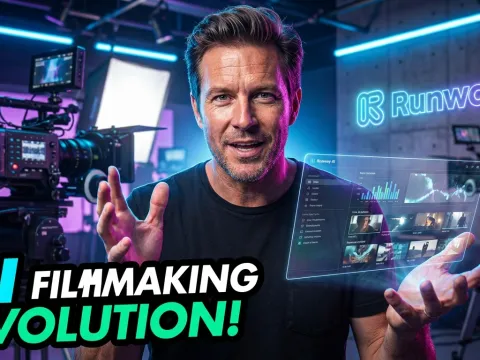
I have spent a lot of time testing different generative tools lately. The runway ai video generator usually sits at the top of the list for most creators. It is not just about typing a sentence and hoping for the best anymore. This system feels more like a professional production suite than a toy.
The reality is that video generation has moved past the phase of "look at this weird morphing blob." With the runway ai video generator, we are seeing cinematic textures that actually look like they were shot on a high-end camera. It is impressive how far the fidelity has come in such a short window.
Most people jump in expecting a magic "make movie" button. While the runway ai video generator is powerful, it requires a bit of a learning curve to get exactly what you want. It is a tool for builders, not just for people looking to kill five minutes of downtime.
I have found that the best results come when you treat the runway ai video generator as a collaborator. You give it an idea, it gives you a shot, and then you refine. It is iterative. If you are looking for a one-and-done solution, you might find yourself frustrated by the process.
The runway ai video generator has evolved from a simple experiment into a legitimate tool for B-roll and visual textures.
Exploring Gen-2 and Gen-3 in Runway AI Video Generator
The jump from Gen-2 to Gen-3 within the runway ai video generator is significant. Gen-2 was the breakthrough that made text-to-video viable for the public. It gave us the first taste of high-quality motion. But Gen-3 is where things started feeling truly professional and usable for real projects.
When you use the runway ai video generator under the Gen-3 model, the physics feel more grounded. Characters don't just slide around; they have weight. This is a massive deal for anyone trying to tell a coherent story. You want the AI to understand how shadows work and how objects move.
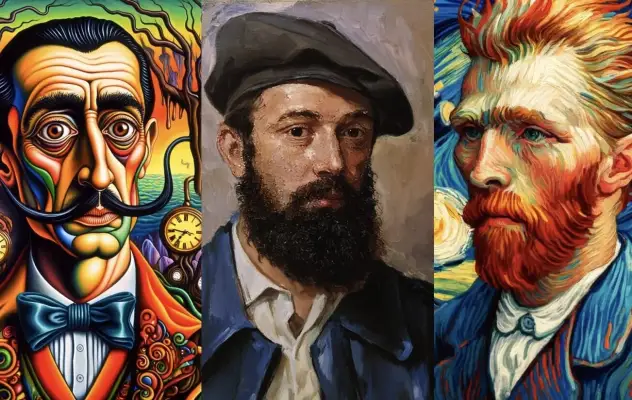
However, Gen-2 still has its place in the runway ai video generator ecosystem. Sometimes the older model is actually better for more abstract, artistic shots. It has a specific look that can be useful if you are not aiming for photorealism. I still go back to it for specific visual styles.
One thing to keep in mind is that the runway ai video generator keeps updating these models. You need to stay on top of which version works best for your specific style. Not every update is a straight upgrade for every single use case, so experimentation is key.
Getting Real Results With Runway AI Video Generator
So, how do you actually get something good out of the runway ai video generator? It starts with your mindset. If you write a prompt like "cat running," you are going to get something generic. You have to be specific about lighting, camera angle, and the mood of the scene.
The runway ai video generator thrives on detail. Think like a director. Instead of just describing the subject, describe the lens. Use terms like "35mm," "cinematic lighting," or "golden hour." These keywords help the runway ai video generator understand the aesthetic you are chasing.
I have noticed that the runway ai video generator sometimes struggles if you pack too many actions into one prompt. It is better to focus on one primary movement. If you need a complex scene, generate smaller clips and stitch them together later. It saves you a lot of wasted credits.
Another thing to consider is the image-to-video workflow. Many experienced users don't start with text. They use a high-quality image and then use the runway ai video generator to bring it to life. This gives you much more control over the initial composition and character look.
- Use specific lighting descriptors like "volumetric fog" or "high contrast."
- Start with a reference image for better character consistency.
- Keep prompts focused on one main action per clip.
- Experiment with different aspect ratios for social vs. film.
Mastering the Prompt for Runway AI Video Generator
Prompting the runway ai video generator is an art form. You are basically talking to a very talented but literal-minded intern. If you aren't clear, the intern will make assumptions. Those assumptions usually lead to weird artifacts or movements that don't make sense in the real world.
I like to use a "Subject-Action-Setting-Style" formula with the runway ai video generator. For example: "A weathered fisherman (Subject) pulling a heavy net (Action) on a stormy deck (Setting), cinematic 4k, gritty texture (Style)." This structure gives the runway ai video generator a clear roadmap to follow.
Don't be afraid to iterate. If the first result from the runway ai video generator is 80% there, don't throw it away. Look at what worked and adjust your words. Sometimes changing one adjective can completely shift how the engine interprets the physics of the entire scene.
And here is a tip: the runway ai video generator loves descriptive verbs. Instead of "moving," try "gliding," "lumbering," or "sprinting." The more specific the movement, the better the runway ai video generator can simulate the necessary motion blur and weight associated with that action.
Advanced Features of Runway AI Video Generator
Beyond simple prompting, the runway ai video generator offers tools that give you surgical control. The Motion Brush is probably the most famous one. It lets you paint over a specific area of an image and tell the AI exactly where the movement should happen.
Imagine you have a photo of a waterfall. With the runway ai video generator, you can paint just the water and tell it to flow down. The rest of the scene stays static. This prevents that "everything is moving" look that often plagues low-quality AI video generations.
There is also the Director Mode within the runway ai video generator. This gives you sliders for camera movement. You can pan, tilt, zoom, or roll. This is huge. It allows you to create a sense of scale that static prompts simply cannot match consistently.
Using these tools makes the runway ai video generator feel more like a piece of professional software. You aren't just rolling the dice; you are directing. It takes more time, but the output is actually something you can use in a commercial or a short film.
| Feature |
What It Does |
Best For |
| Motion Brush |
Selective movement painting |
Adding life to static images |
| Director Mode |
Precise camera sliders |
Cinematic pans and zooms |
| Text-to-Video |
Generates clips from text |
Rapid ideation and B-roll |
| Image-to-Video |
Animates a reference photo |
Character and style consistency |

Motion Brush and Camera Control in Runway AI Video Generator
The Motion Brush in the runway ai video generator is a total necessity for anyone serious about quality. It stops the background from warping. When you use a generative model, the AI often tries to move everything. This brush tells the runway ai video generator to focus its energy on specific pixels.
I find this particularly useful for portraits. You can paint just the hair or eyes to give a character a subtle sense of life. In the runway ai video generator, subtlety is often the difference between "creepy AI" and "engaging visual." Less is almost always more when it comes to motion.
Camera control is the other side of that coin. If you want a dramatic reveal, you use the zoom slider in the runway ai video generator. It mimics the behavior of a real camera lens. This helps the generated clip blend in with actual filmed footage if you are doing a mixed-media project.
Mastering these two features will set your work apart. Most people just use the runway ai video generator for raw text-to-video. By using the brush and camera controls, you are showing the model exactly what you want. It removes the guesswork and saves you a massive amount of credits.
Real-World Use Cases for Runway AI Video Generator
I see a lot of talk about the runway ai video generator being used for social media, but its utility goes much deeper. Marketing agencies are using it for mood boards. Instead of spending hours searching for stock footage, they use the runway ai video generator to create the exact vibe they need.
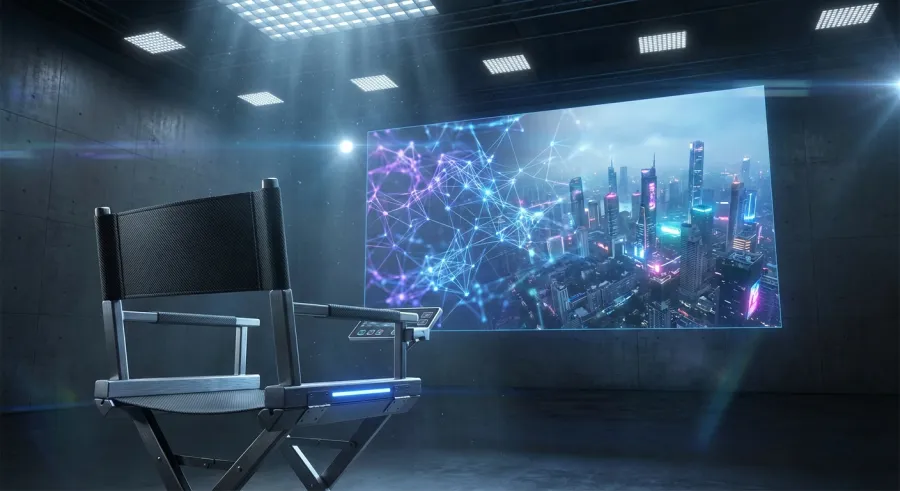
It is also a massive win for indie filmmakers. Need a shot of a futuristic city at night? You could spend weeks in 3D software or five minutes with the runway ai video generator. It allows for a level of world-building that was previously restricted to big-budget studios with massive VFX teams.
For those managing large-scale projects, integrating these tools via an API can be a life-saver. While the runway ai video generator has its own interface, some developers prefer building custom workflows. If you are looking to scale your creative output, you might want to read the full API documentation for various AI models to see how they fit your pipeline.
Even in the corporate world, the runway ai video generator is finding a home. It is great for creating "visual textures" for landing pages or background loops for presentations. It adds a layer of polish that static images just can't provide. It makes a brand look forward-thinking and modern.
Creating B-Roll and Visual Texture with Runway AI Video Generator
B-roll is the unsung hero of video production. It fills the gaps and keeps the viewer engaged. Using the runway ai video generator for B-roll is a game-changer. You don't need to fly a drone to the mountains if you just need a four-second shot of a snowy peak for a transition.
The runway ai video generator is perfect for these short, atmospheric clips. Since you don't usually need a main character to do complex actions in B-roll, the AI handles it beautifully. You can generate five or six variations and pick the one that fits your edit perfectly.
I often use the runway ai video generator when I have a "dry" section of a video—like a long interview—and I need something to cut away to. It keeps the visual energy high. You can create abstract backgrounds or close-ups of objects that match your brand's color palette with surprising ease.
Just remember to keep the style consistent. If your main footage is shot on a certain camera, try to prompt the runway ai video generator to mimic that look. Consistency is what makes the B-roll feel intentional rather than like a random AI clip you found on the internet.
Honest Limitations of Runway AI Video Generator
Let's be real for a second: the runway ai video generator is not perfect. One of the biggest hurdles is the cost. If you are doing a lot of generations, those credits disappear fast. It can get very expensive very quickly, especially if you are doing a lot of trial and error.
Then there is the issue of character consistency. If you need the same person to appear in five different clips, the runway ai video generator might struggle. The character's face or clothes might change slightly between generations. This makes long-form storytelling a bit of a jigsaw puzzle right now.
The 8-second limit is another bottleneck. Most clips from the runway ai video generator are quite short. While you can extend them, the quality sometimes degrades as the AI tries to guess what happens next. It is not quite ready to generate a full two-minute scene in one go.
And let's not forget prompting difficulty. Sometimes the runway ai video generator just doesn't understand what you want. You might waste ten generations trying to get a specific movement right. It requires patience and a healthy budget for credits to get the best results.
The cost of the runway ai video generator can be brutal for high-volume users, and character consistency remains a significant hurdle.
Managing Credits and the 8-Second Limit in Runway AI Video Generator
Managing your credits in the runway ai video generator is basically a job in itself. You have to be strategic. Don't just click "generate" on every idea. Use the low-resolution previews if available, or start with images to make sure the composition is right before you spend credits on the full animation.
The 8-second limit in the runway ai video generator forces you to be a better editor. You learn to tell a story in short bursts. But for longer projects, it is a pain. You have to stitch clips together, and that is where you often see the seams in the AI's logic.
If you find yourself running out of credits too often, it might be time to look at your overall AI spending. For teams using multiple models, it can be helpful to manage your API billing in a more centralized way. Using a platform like GPT Proto can sometimes help you consolidate these costs.
Ultimately, the runway ai video generator is a premium tool. You have to treat it as an investment. If you are using it for a hobby, the credit system might feel restrictive. But if you are using it for professional work, you just have to factor those costs into your project budget from day one.
Is the Runway AI Video Generator Worth Your Money?
So, is the runway ai video generator actually worth it? If you are a professional creator, the answer is likely yes. The time you save on VFX and B-roll alone usually covers the cost. There is simply no other tool that offers the same level of granular control over AI motion right now.
However, if you are just starting out, the runway ai video generator might feel a bit overwhelming and expensive. You might want to explore all available AI models first to see if a simpler or cheaper alternative fits your current needs better before committing to a subscription.
The runway ai video generator is the leader for a reason. Its research team is pushing the boundaries of what is possible with video pixels. While competitors are catching up, the ecosystem Runway has built around its video generator remains the most "production-ready" for serious users.
At the end of the day, the runway ai video generator is a tool in your belt. It won't make you a great director, but it will give a great director more power than they have ever had. Use it wisely, learn the prompting quirks, and it will change how you create video content forever.
Comparing Alternatives to Runway AI Video Generator
While we are talking about the runway ai video generator, it is worth mentioning the competition. Kling AI has been making waves lately for its impressive character consistency. Some users find it handles humans better than the runway ai video generator does in certain scenarios.
Then you have Google's Veo and Pika Labs. Pika is great for quick, fun social clips, but it lacks the cinematic depth of the runway ai video generator. Veo is high-quality but feels more restricted in terms of user control. Each tool has its own "vibe" and specific strengths.
If you are a developer looking to integrate these types of features into your own app, you should check out the learn more on the GPT Proto tech blog. They cover a lot of ground on how to use unified APIs to access multiple models without jumping through hoops.
My advice? Don't get married to just the runway ai video generator. The field is moving so fast that what is "best" changes every few months. Keep an eye on the industry updates and be ready to pivot if a new model offers a feature that solves your specific pain points more efficiently.
For those looking for a way to access all these models—including Runway, Midjourney, and others—through a single interface, GPT Proto offers a unified API platform. This can be a huge advantage for developers who want to avoid the headache of managing multiple subscriptions. With GPT Proto, you can get up to 70% discounts on mainstream AI APIs and use smart scheduling to balance performance and cost. It is a solid way to keep your tech stack lean while still having the best tools at your fingertips.
Written by: GPT Proto
"Unlock the world's leading AI models with GPT Proto's unified API platform."