Have you ever wondered what your future children might look like? The ai baby generator has transformed this timeless human curiosity into a viral digital reality. By leveraging advanced generative models, an ai baby generator blends parental features to create startlingly realistic portraits of potential offspring. While millions currently flock to an ai baby generator for daily entertainment and social media sharing, the underlying technology raises fascinating questions about complex genetics, data privacy, and digital ethics. In this comprehensive guide, we will explore exactly how an ai baby generator works, evaluate its real-world accuracy, and unpack the psychological impact of visualizing your future family through artificial intelligence.
ai baby generator: A Complete Guide
Discover the technology behind the ai baby generator. Learn about its use cases, ethical concerns, and how AI is changing our vision of the future.
The Cultural Phenomenon of the ai baby generator
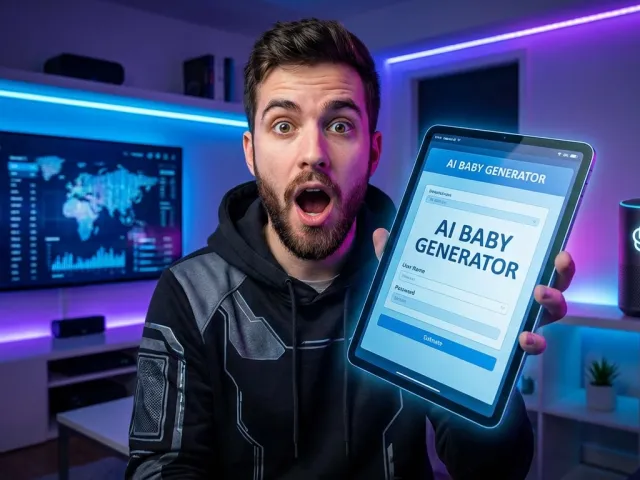
Scroll through any major social media platform today, and you are bound to encounter a startlingly realistic image of a child that does not actually exist. This is the fascinating result of an ai baby generator, a technological marvel that has thoroughly captured the public imagination. By blending advanced machine learning with primal human curiosity, the ai baby generator has evolved from a niche tech demo into a mainstream cultural obsession. People are naturally drawn to the profound capability of an ai baby generator to visualize a biological synthesis before it happens.
The undeniable appeal of an ai baby generator lies in its playful yet slightly uncanny ability to predict our own lineage. It taps directly into our deepest desires to understand our legacy and visualize the unknown future. Market reactions to every new ai baby generator have been explosive, driving massive download numbers across major app stores. These face-synthesis tools have firmly moved beyond specialized developer forums, frequently headlining morning talk shows and celebrity social media feeds.
Why We Crave Future Visualization
Every ai baby generator represents a massive paradigm shift in human-computer interaction with generative models. We are no longer simply prompting a machine to draw an imaginary landscape or draft a quick email. Instead, we are asking an ai baby generator to interpret highly personal visual data to construct a deeply emotional digital artifact. There is a very specific thrill in seeing the customized results of an ai baby generator for the very first time.
The mathematical blend of features—a nose from one parent, eyes from another—creates a digital offspring through an ai baby generator that feels both familiar and entirely new. This strong emotional hook is exactly what drives the massive engagement we see across digital platforms today. However, the general impression of the ai baby generator is not entirely without skepticism. Some leading critics view the ai baby generator as a sophisticated vanity project, potentially distracting from the beautiful, unpredictable complexities of actual human genetics.
How an ai baby generator Actually Works
Understanding the powerful engine behind a typical ai baby generator requires a close look at modern diffusion models and Generative Adversarial Networks (GANs). These underlying systems powering the ai baby generator are aggressively trained on millions of diverse human faces. By learning the deep underlying patterns of human facial geometry, an ai baby generator can make highly educated aesthetic predictions. This complex neural mapping allows the ai baby generator to synthesize entirely new facial structures based purely on your input photos.
The Role of Generative Adversarial Networks
Because an ai baby generator heavily relies on probabilistic mathematics, it analyzes minute pixel-level data from the uploaded parental images. The ai baby generator then identifies dominant phenotypic traits like eye shape, jawline structure, and skin tone. By seamlessly cross-referencing these distinct traits, the ai baby generator generates a composite image that mathematically blends the two genetic profiles. This complex process happens in a matter of seconds, making the ai baby generator incredibly user-friendly and highly accessible to non-technical users.
Facial Landmark Synthesis
During specialized facial landmark synthesis, an ai baby generator meticulously maps dozens of specific anchor points across the human face. It precisely calculates the distances between the eyes, the structural width of the nose, and the delicate curvature of the lips. Once the ai baby generator secures this structural blueprint, it applies a generative softening layer to simulate the rounded features typical of a human infant. This precise engineering is exactly why a high-quality ai baby generator produces results that look exponentially more realistic than basic face-morphing apps from the early smartphone era.
Practical and Commercial Use Cases for the ai baby generator
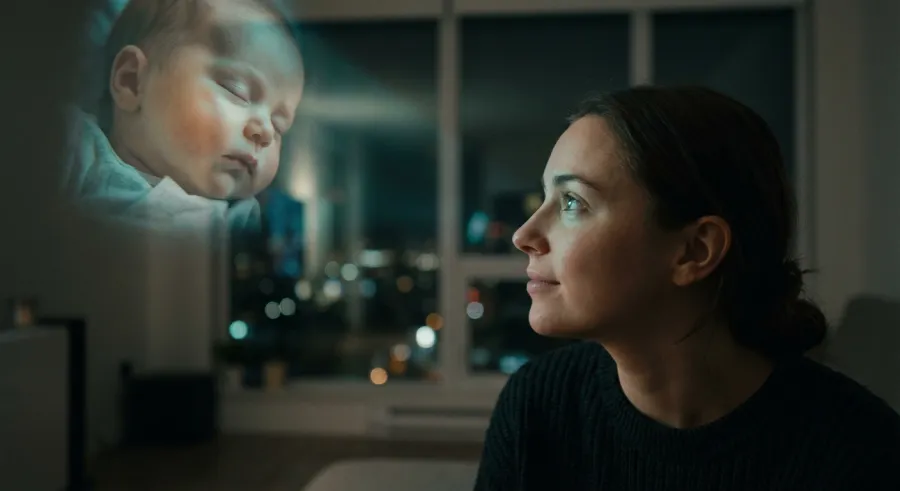
While most average users interact with an ai baby generator for a quick laugh or a viral social media post, the commercial applications are surprisingly diverse. Expectant parents remain the most obvious and eager demographic for an ai baby generator. They frequently use these synthesis tools to visualize their future family during the exciting, anxiety-filled months of pregnancy. For these specific users, an ai baby generator adds a deeply compelling layer of visual storytelling to the waiting process.
Transforming the Gaming and Entertainment Industries
In the highly competitive world of creative professional work, the core technology behind an ai baby generator has found a lucrative home in stock photography and digital advertising. Rather than organizing expensive photoshoots with real child models, designers can utilize ai baby generator technology to create specific, diverse commercial characters on demand. This allows global brands to generate bespoke demographic profiles that fit specialized marketing campaigns perfectly. For those interested in exploring minute variations of these generated images, advanced visual adjustment tools can dramatically refine the initial output of an ai baby generator.
Medical and Genetic Research
We also see the foundational logic of the ai baby generator being cleverly leveraged in psychological and social science experiments. Academic researchers sometimes use the synthesized faces from an ai baby generator to study human perceptions of attractiveness, heritage, and inherent family resemblance. It provides researchers with a strictly controlled method to generate visual stimuli that look exactly like real humans but carry absolutely no privacy baggage. Furthermore, entertainment developers are exploring how an ai baby generator can completely revolutionize dynamic character creation in massive open-world video games.
Developers are currently building these robust experiences by tapping into incredibly powerful server backends. Many engineering teams are actively looking for effective ways to lower the massive compute overhead of running a heavy ai baby generator model. Platforms that offer a centralized billing system allow these creators to access multiple high-end AI models while managing their intensive infrastructure costs efficiently.
Navigating the Technical Limitations of an ai baby generator
Despite massive advancements in machine learning, every ai baby generator still faces significant technical ceilings. One of the most prominent algorithmic challenges for an ai baby generator is the dreaded average face problem. Because an ai baby generator relies heavily on broad statistical probability, it often tends to gravitate toward highly symmetrical, conventional features. This aggressive statistical smoothing by the ai baby generator can result in a frustrating loss of the unique, quirky traits that actually make a real child physically resemble their parents.
Overcoming the Uncanny Valley
Consequently, the rendering software powering an ai baby generator often produces a hyper-idealized, beauty-filtered version of a human infant rather than a biologically realistic one. Another glaring limitation of the modern ai baby generator is the psychological phenomenon known as the uncanny valley. Even with cutting-edge advancements, an ai baby generator result can sometimes feel inherently "off" or synthetic to the human eye. The synthetic skin might appear too flawlessly smooth, the generated eyes too glassy, or the cranial proportions slightly distorted.
This visual dissonance creates a subtle sense of unease that can quickly turn a fun ai baby generator experiment into something slightly creepy. Furthermore, an ai baby generator remains an interpretive digital tool rather than a definitive medical or predictive one. It simply cannot account for complex recessive genes, random cellular mutations, or future environmental lifestyle factors. Ultimately, an ai baby generator provides a fascinating visual guess based entirely on pixel analysis, not a biological forecast based on actual DNA sequencing.
Ethical Dilemmas and Privacy Concerns with an ai baby generator
The ethical concerns surrounding the widespread consumer use of an ai baby generator are perhaps much more pressing than any current technical limitations. Strict data privacy rightfully sits at the very top of the list for any cautious ai baby generator user. When you upload intimate, high-resolution photos of yourself and a partner to an online ai baby generator, you must critically question where those images ultimately go. Consumers are increasingly worried whether their faces are being silently used to further train the ai baby generator, or worse, packaged and sold to third-party data brokers.
Who Owns Your Facial Data?
Dangerous biases hidden within training data also actively plague many popular, mainstream versions of the ai baby generator. If the underlying foundational model of an ai baby generator was trained predominantly on specific ethnicities, it might heavily struggle to accurately represent mixed-race couples. This frustrating lack of demographic diversity in the ai baby generator output can be deeply alienating, culturally offensive, and scientifically inaccurate. Developers of any ai baby generator must ethically prioritize diverse, inclusive datasets to ensure equitable and fair representation for all global users.
The Risk of Unconscious Bias
There is also the highly complicated legal question of digital twins and explicit user consent. Using an ai baby generator to arbitrarily create realistic images of a potential child without the "other parent's" knowledge raises incredibly thorny moral issues. If a user inputs a celebrity's private photo into an ai baby generator alongside their own, it crosses uncomfortably into a strange, unregulated form of deepfake technology. International regulatory bodies have not quite figured out how to safely police the output of an ai baby generator in these non-consensual scenarios.
Benchmarking the Modern ai baby generator
When industry experts passionately debate performance, they aren't just talking about how fast an ai baby generator renders a final image. They are carefully measuring how well an ai baby generator can accurately preserve distinct parental identity throughout the synthesis process. Recent rigorous benchmarks suggest that a premium, high-end ai baby generator can now successfully retain approximately 70% of recognizable facial landmarks from the source images. This is a massive, highly impressive jump from the mere 30% retention rate seen in a standard ai baby generator just two short years ago.
Measuring Perceptual Loss
Raw rendering speed remains another critical benchmark factor for evaluating the viability of an ai baby generator. A modern ai baby generator, running seamlessly on an optimized cloud infrastructure, can reliably produce a set of four unique feature variations in under ten seconds. This near-instant gratification is absolutely essential for the viral, fast-paced nature of these mobile apps. Modern users of an ai baby generator expect to see and share their synthesized family results immediately without suffering through a tedious loading screen.
Operational cost efficiency for running a commercial ai baby generator has also improved dramatically in recent quarters. Early alpha versions of the ai baby generator required massive, energy-hungry GPU clusters to run effectively at scale. Now, through aggressive model pruning and superior sampling techniques, an ai baby generator can comfortably run on standard mid-tier hardware. For ambitious developers trying to build an ai baby generator with the absolute best balance of speed and quality, exploring different available LLMs and image models is absolutely crucial.
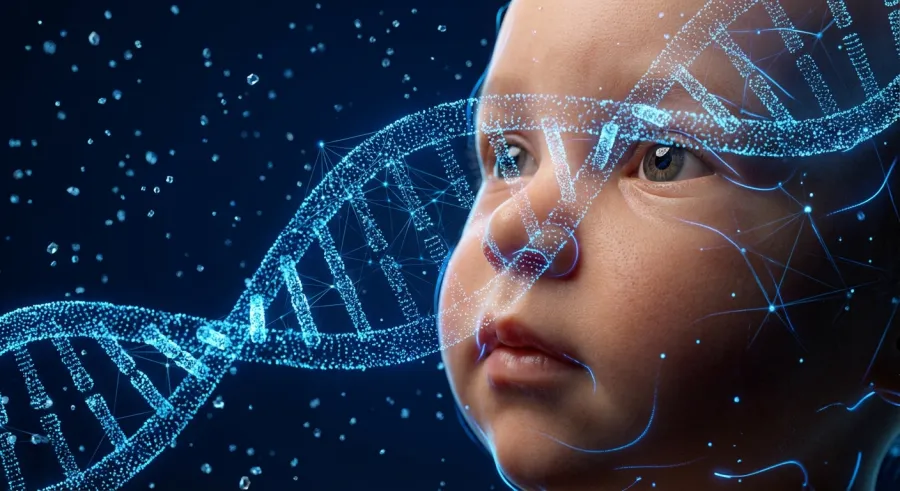
Data accuracy in an ai baby generator is often heavily measured through complex perceptual loss functions. These advanced mathematical functions tell the ai baby generator exactly how much the generated output visually deviates from the true "look" of the provided parent photos. The ultimate engineering goal is to constantly minimize this perceptual loss while still allowing the ai baby generator to introduce necessary "infant-like" anatomical proportions. To radically streamline this process, developers often leverage specialized agents and capabilities to effortlessly automate the tagging and sorting of massive ai baby generator image outputs.
Community Sentiment: What Users Say About the ai baby generator
Popular online forums like Reddit and Hacker News serve as massive, highly active hotbeds of debate regarding the ai baby generator. On specialized technical subreddits, dedicated power users constantly share advanced workflow tips on how to properly seed an ai baby generator to achieve much more realistic skin textures. There is a thriving, passionate community of digital hobbyists who view the ai baby generator not just as a toy, but as a fascinating cryptographic puzzle waiting to be meticulously solved.
Viral Failures and Successes
Conversely, vocal privacy advocates on platforms like X frequently warn everyday users about the inherent, hidden risks of a free ai baby generator. They astutely point out that many "free" ai baby generator applications are essentially sophisticated data-harvesting machines hiding in plain sight. The common, cynical saying in the broader tech community firmly holds true: if you aren't paying a subscription for the ai baby generator, your personal facial biometric data is likely the actual product being sold.
Constant, iterative feedback from the open-source developer community focuses heavily on the ongoing architectural challenges of prompt injection within an ai baby generator. Security engineers are constantly striving to ensure that an ai baby generator cannot be easily hijacked to create inappropriate, harmful, or explicit synthetic content. Implementing these critical safety filters requires robust, highly expensive moderation layers built directly into the ai baby generator API. Interestingly, the bizarre, hallucinatory visual results of a botched ai baby generator output often go much more viral online than the technically accurate generations.
The Future Evolution of the ai baby generator
Looking toward the imminent technological horizon, the ai baby generator will inevitably evolve from a simple, static image creator into a comprehensive family heritage predictive tool. Industry analysts confidently expect to soon see seamless, direct integrations between an ai baby generator and actual clinical DNA testing services. In this highly advanced scenario, an ai baby generator wouldn't just superficially scan your basic photograph. Instead, the advanced ai baby generator would actively analyze your actual biological genetic markers for eye color, hair texture, and projected adult height.
Moving Beyond Static Images
We are also rapidly advancing toward the era of temporal generation within the competitive ai baby generator space. A state-of-the-art ai baby generator might very soon be able to accurately show you your synthesized child seamlessly aging from 5 to 20 years old in real-time. This incredible age-up technology is already in active beta development across several prominent AI labs. It will eventually merge with the standard ai baby generator experience to provide a deeply compelling, full-spectrum life path visual preview.
Seamless generative video integration is undeniably the next major frontier for the ai baby generator. Imagine an ai baby generator that doesn't just produce a static, lifeless portrait, but dynamically generates a short, photorealistic 4K video clip of a baby laughing, blinking, or naturally crawling. As powerful generative video models become widely accessible to independent developers, the traditional static ai baby generator will quickly start to feel like a charming, outdated relic of the past.
Ultimately, the ai baby generator stands as a profound, complex mirror reflecting our current, chaotic technological era. The sheer global popularity of the ai baby generator highlights our incredible, rapid advancements in machine learning, our deep-seated ethical anxieties, and our eternal human fascination with ourselves. Whether you consider it a harmless afternoon diversion or a looming biometric privacy nightmare, the ai baby generator is permanently here to stay. The digital child has already arrived, and the ai baby generator is learning vastly more about fundamental human nature with every single computational click.
All-in-One Creative Studio
Generate images and videos here. The GPTProto API ensures fast model updates and the lowest prices.
Start Creating