


Advanced Temporal Consistency
Google's latent diffusion transformers keep characters and backgrounds stable across every frame of the video.
image
video
Reference To Video
curl --request POST "https://gptproto.com/api/v3/google/veo3.1/reference-to-video" \
  --header "Authorization: Bearer $GPTPROTO_API_KEY" \
  --header "Content-Type: application/json" \
  --data '{
    "prompt": "A young woman walks alone under a transparent umbrella in a quiet alley during light rain, soft city lights reflecting on the wet pavement. Her pace is calm and thoughtful. The camera follows slowly behind her, occasional droplets hitting the lens. Subtle piano music plays, evoking a melancholic but peaceful mood. Dreamy, cinematic, slightly slow motion.",
    "images": [
      "https://oss.gptproto.com/2025/11/12/d5c2f08479b9452aacbcf9963631ce21.jpeg"
    ],
    "aspect_ratio": "16:9",
    "enhance_prompt": true
  }'
Query Result
curl --request POST "https://gptproto.com/api/v3/predictions/{{id}}/result" \
  --header "Authorization: Bearer $GPTPROTO_API_KEY" \
--header "Content-Type: application/json"Explore how the Google Veo 3.1 video generator enables high-end cinematic production with consistent characters and textures.
Google's latent diffusion transformers keep characters and backgrounds stable across every frame of the video.
Direct the virtual camera using pans, tilts, and zooms through Google's advanced function calling parameters.
Modify specific objects or backgrounds within a Google video stream without regenerating the entire scene.

Generate native high-definition content at various frame rates without external upscaling tools.
Getting a veo3.1 API key takes four steps and a few minutes. Create a free GPTProto account, add credits, generate your key, and make your first call — at $0.5 it's a cheaper veo3.1 API key than going direct, and one key works across every model on the platform. Full veo3.1 Documentation is in the docs.
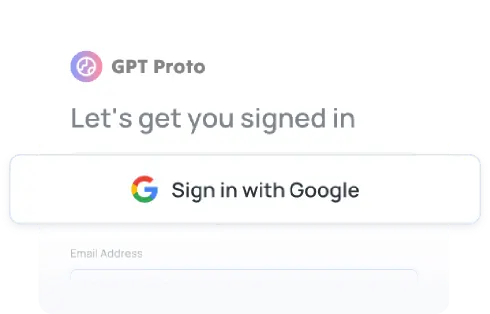
Sign up
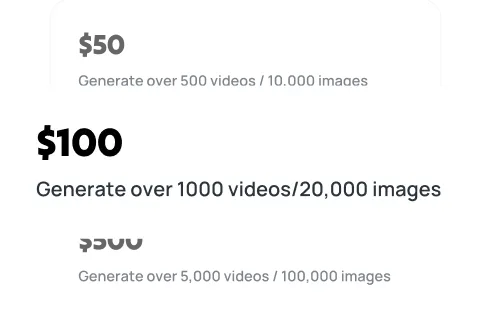
Top up
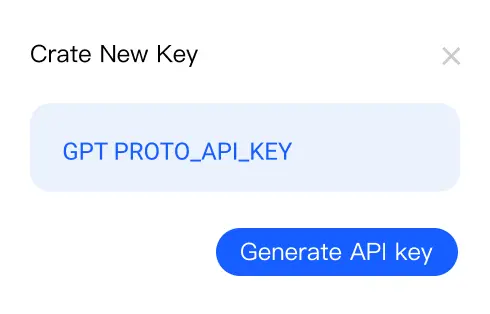
Generate your API key
Make your first API call
Find answers about the Google Veo 3.1 video generator, covering technical specs, pricing on GPTProto.com, and 4K production capabilities.
Explore Veo 3 and Veo 3.1 pricing options including Google AI Pro ($19.99/mo), Ultra ($249.99/mo), and API rates from $0.10-$0.40/second. Find the best plan for your video creation needs.
Create cinematic AI videos with Vidu Q2's natural expressions and smooth camera work. See how it compares to Sora 2 and turn images into video instantly.
While higgsfield ai offers fluid video motion, its steep credit costs and cluttered UI frustrate professionals. Discover if it fits your workflow.
Discover Kling O1, the world's first unified AI video model combining generation and editing. Learn features, use cases, and how this "video world's Nano Banana" is transforming content creation.