GPT Proto

GPTProto

  • Dashboard
  • LLM

    • claude
      Claude Opus 5New
    • google
      Gemini 3.6 Flash
    • google
      Gemini 3.5 Flash Lite
    • moonshotai
      Kimi K3
    • openai
      GPT 5.6 Luna

    Image

    • bytedance
      Dola Seedream 5.0 Pro 260628New
    • google
      Gemini 3.1 Flash Lite Image
    • google
      Gemini 3.1 Flash Image
    • openai
      GPT Image 2
    • google
      Gemini 3.1 Flash Image Preview

    Video

    • kling
      Kling v3.0 4kNew
    • bytedance
      Dreamina Seedance 2.0 Mini 260615
    • kling
      Kling v3 Omni 4k
    • bytedance
      Dreamina Seedance 2.0 Fast 260128
    • bytedance
      Dreamina Seedance 2.0 260128
    Explore 214+ Models >
  • Generator

    • Create Image
    • Create Video
    • Edit in Canvas

    Features

    • Anime to Real Life AINew
    • Anime AI Art Generator
    • AI Object Remover
    • AI Image Editor
    • Unrestricted AI Image Generator
    • AI Motion Transfer
    • AI Clothes Remover
    • AI Watermark Remover
    • AI Image Enhancer Online
    • Online Background Remover Tool
    Explore All >

    Prompts

    • Seedance 2.0 PromptsNew
    • GPT Image 2 Prompts
    • Nano Banana Pro Prompts
    • Seedream 5.0 Pro Prompts
  • AI Blog

    • GLM 5.2 vs MiniMax M3: Which Is Better for Coding and Frontend Work?
    • How to Create Your Own AI Character With an API—No Coding Required
    • Kimi K3 vs Claude Opus 5: Which Is Better for Coding and AI Agents?
    • 20 Free Seedream 5.0 Pro Packaging Design Prompts for Products and E-commerce
    • GLM-5.2 vs Kimi K3 for Coding: Which Is Better for Developers in 2026?
    Explore All >

    AI Insight

    • What Is Emochi AI—and Why Is It Growing So Fast? (2026)
    • What Is Kimi K3—and Is It Really Close to GPT-5.6 and Fable 5?
    • 12 Best AI Video Generation Tools in 2026 for YouTube, TikTok, Text and Images
    • What Is Qwen 3.8 Max? Release Date, 2.4T Preview, Pricing, and Early Benchmarks
    • Gemini 3.6 Flash and Gemini 3.5 Flash-Lite Explained: Which One Should You Use?
    Explore All >

    AI Docs

    • gpt-image-2
    • gpt-5.4
    • kimi-k2.5
    • claude-opus-4-6
    • kling-v3.0-pro
    Explore All >

    AI Skills

    • browser-use
    • claude-to-im
    • competitive-ads-extractor
    • content-creator
    • data-storytelling
    Explore All >
Pricing
English繁體中文한국어日本語EspañolРусский
Get Started Now
  1. Home
  2. /Model
  3. /Qwen
  4. /wan-2.6 / reference-to-video
Qwen
wan-2.6 / reference-to-video
Documentation
Documentation
wan-2.6/reference-to-video is an advanced AI model engineered for video reference tasks such as semantic video search, temporal localization, and content analysis. As a member of the wan-2.6 family, this model offers scalable video understanding, combining multi-modal input capabilities and efficient retrieval. It differs from base models by focusing on video-specific features, supporting accurate cross-modal scene matching and real-time video analytics. Ideal for media, education, and security industries, wan-2.6/reference-to-video provides developers robust tools for integrating video understanding into modern workflows.

$ 0.45
$ 0.5

image

video

$ 0.45
$ 0.5

image

video

Playground
JSON
API

Input

Your browser does not support the video tag.
Your request will cost$0per run, for$100you can run this model approximately0times
Related Models
All Models
Bytedance
Bytedance
dreamina-seedance-2-0-mini-260615
$ 0.2365
Kling
Kling
kling-v3-omni-4k
$ 1.008
$ 1.26
Vidu
Vidu
vidu2.0
$ 0.08
$ 0.1
Google
Google
veo3.1
$ 0.5
Bytedance
Bytedance
dreamina-seedance-2-0-fast-260128
$ 0.2365
Kling
Kling
kling-v3-omni-pro
$ 0.2688
$ 0.336
Examples
Cinematic tracking shot, a sleek metallic red sports car roaring through a vast, sun-scorched desert. Low-angle camera following closely behind the rear wheels, capturing high-speed rotation and explosive plumes of sand particles kicking up into the air. Intense motion blur, heat haze shimmering off the ground. Realistic physics, 8k resolution, highly detailed car chassis, sharp focus on the flying sand, dramatic sunlight creating long shadows.
character1 is dancing with character2 on the moon
a girl is having a picnic on the grass in a park. The sun is shining brightly, and the atmosphere is refreshing. a dog is running happily on the grass, and the camera follows its movements.
A woman sits in a retro-style upscale coffee shop, holding a cup of coffee. She savors it carefully, a pleased expression on her face, and says, "This coffee is really good."

Alibaba Wan-2.6: High-Fidelity Reference-to-Video Synthesis on GPT Proto

In the rapidly evolving world of generative artificial intelligence, Alibaba has once again pushed the boundaries of what is possible with the release of the Wan-2.6 model. Specifically designed to master the complex "Reference-to-Video" use case, this model allows creators to turn a single static image into a fluid, cinematic video narrative while maintaining breathtaking consistency. At GPT Proto, we are proud to provide early and stabilized access to this groundbreaking technology. Whether you are a digital artist, a marketing professional, or a developer, you can start exploring the future of video generation today by visiting our comprehensive model library.

Experience Unparalleled Visual Consistency with Alibaba Wan-2.6 on GPT Proto

One of the most significant challenges in AI video generation has always been "temporal coherence"—ensuring that the characters, backgrounds, and lighting remain consistent from the first frame to the last. Alibaba Wan-2.6 solves this through a sophisticated diffusion transformer architecture that "anchors" the video to your reference image. When you use Alibaba Wan-2.6 on GPT Proto, the AI doesn't just guess what should happen next; it analyzes the structural depth, texture, and lighting of your source image to ensure that every movement feels natural and grounded in reality. This eliminates the "flickering" effect common in lesser models, providing a professional-grade output that is ready for commercial use without hours of manual post-production.

Transform Static Character References into Dynamic Cinematic Masterpieces

For storytellers and game designers, the Reference-to-Video capability of Alibaba Wan-2.6 on GPT Proto is a complete game-changer. Imagine taking a character concept art piece and instantly generating a 4K sequence of that character walking through a bustling city or performing a complex emotional gesture. By utilizing the advanced API integration on GPT Proto, you can feed specific motion prompts alongside your reference image, giving you granular control over the narrative flow. This allows for a level of creative storytelling that was previously only possible with massive animation budgets and months of work.

Unlock Professional Cinematic Quality via Advanced Reference-to-Video

The Alibaba Wan-2.6 model excels at maintaining high-resolution details even during rapid camera movements or complex physics simulations. On the GPT Proto platform, users can leverage this power to create stunning product demos where a single photo of a luxury item is transformed into a high-end commercial. The model understands the physics of materials—the way silk flows, the way light reflects off glass, and the way shadows move—ensuring that your reference image is respected down to the smallest pixel. This makes it an essential tool for social media managers looking to stop the scroll with hyper-realistic video content.

"Alibaba Wan-2.6 on GPT Proto represents the pinnacle of AI video control, turning static inspiration into cinematic reality with just a single click."

Scale Your AI Video Production Effortlessly on the GPT Proto Platform

Technical complexity should never be a barrier to creativity. That is why GPT Proto provides a streamlined environment for deploying Alibaba Wan-2.6. Our infrastructure is built for high-concurrency and low-latency, ensuring that your API calls return results quickly and reliably. If you are a developer looking to integrate these video capabilities into your own application, our official API documentation provides clear, step-by-step instructions and code samples to get you up and running in minutes. We handle the heavy lifting of GPU management so you can focus on building the next generation of video-powered apps on GPT Proto.

Feature Comparison Standard Video Models Alibaba Wan-2.6 on GPT Proto
Character Consistency Low (Frequent Morphing) Extreme (High-Fidelity Anchoring)
Generation Speed Variable/Slow Optimized High-Speed Inference
Reference Accuracy Loose Interpretation Pixel-Perfect Style Matching
API Reliability Unstable/Complex Enterprise-Grade Uptime

Transparent Direct Balance Management and Seamless API Access for Everyone

At GPT Proto, we believe in a fair and transparent pricing model that caters to both individual hobbyists and large-scale enterprises. Unlike other platforms that confuse users with complex "points" or "credits," we use a direct currency-based system. You simply top-up your balance with the amount you need, and you are only charged for what you actually use. This "Add Funds" approach gives you total control over your budget without the fear of expiring credits or hidden fees. You can monitor every cent of your expenditure in real-time through our intuitive user dashboard, making it easier than ever to manage your Alibaba Wan-2.6 projects on GPT Proto.

The journey into AI-driven video production is just beginning, and Alibaba Wan-2.6 is the tool that will lead the charge. By combining the raw power of Alibaba’s research with the accessibility and stability of the GPT Proto platform, we are democratizing professional-grade video creation. If you want to stay updated on the latest techniques, prompt engineering tips, and model updates, be sure to visit our official blog. Join the community of innovators on GPT Proto today and turn your static images into the cinematic stories of tomorrow.

How to Get a wan-2.6 API Key

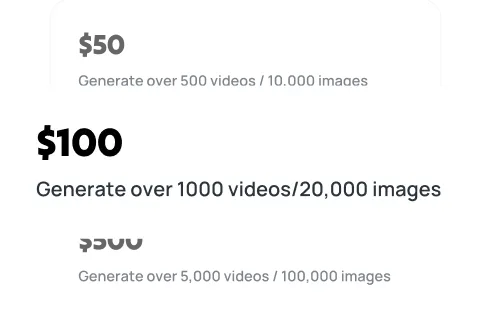
Getting a wan-2.6 API key takes four steps and a few minutes. Create a free GPTProto account, add credits, generate your key, and make your first call — at $0.45 it's a cheaper wan-2.6 API key than going direct, and one key works across every model on the platform. Full wan-2.6 Documentation is in the docs.

Sign up

Sign up

Create your free GPT Proto account to begin. You can set up an organization for your team at any time.

Top up

Top up

Your balance can be used across all models on the platform, including wan-2.6, giving you the flexibility to experiment and scale as needed.

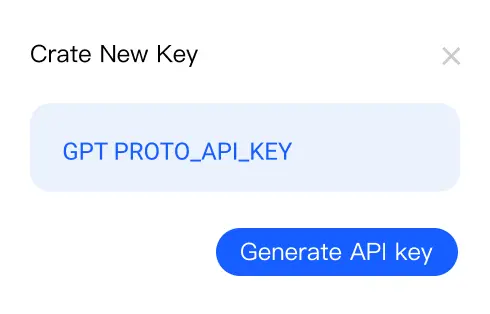
Generate your API key

Generate your API key

In your dashboard, create an API key — you'll need it to authenticate when making requests to wan-2.6.

Make your first API call

Make your first API call

Use your API key with our sample code to send a request to wan-2.6 via GPT Proto and see instant AI-powered results.

Get API Key

Frequently Asked Questions

Common questions about wan-2.6/reference-to-video AI model

What is wan-2.6/reference-to-video?

wan-2.6/reference-to-video is a specialized artificial intelligence model focused on advanced video reference understanding. It is designed to interpret and retrieve information from video sequences, linking visual data with semantic queries. This model’s core strength lies in cross-modal understanding, enabling precise video search, scene localization, and integration with natural language prompts. With robust training on diverse datasets, wan-2.6/reference-to-video empowers developers to build applications where accurate referencing and content extraction from video are crucial. Its capabilities span content analysis, temporal event localization, and context-driven video retrieval, making it ideal for workflow automation involving rich multimedia.

What can wan-2.6/reference-to-video do?

wan-2.6/reference-to-video handles multiple video-centric tasks such as semantic video search, temporal localization within video streams, cross-modal scene identification, and integration of text-video information. Developers can utilize this model to analyze, index, and retrieve video content quickly by reference or description. It streamlines tasks like event detection, content moderation, video summarization, and automated video tagging. Applications range from media asset management platforms to education tech, compliance monitoring, and real-time security feeds analysis. Its versatility is driven by strong understanding of visual sequences and context, making it essential in any scenario where video data meets natural language processing.

Who developed wan-2.6/reference-to-video?

wan-2.6/reference-to-video was developed by an expert AI research team as part of the wan-2.6 series. The development focuses on multi-modal machine learning approaches, bridging video content with natural language understanding and retrieval. This model integrates state-of-the-art video recognition with advanced language modeling, making it suitable for organizations seeking efficient multimedia processing tools. The team behind wan-2.6/reference-to-video is dedicated to advancing video analysis techniques and supporting industries such as media, e-learning, and surveillance with scalable, production-ready solutions.

How does wan-2.6/reference-to-video differ from GPT, Claude, or Gemini?

wan-2.6/reference-to-video is purpose-built for video reference and understanding, unlike GPT, Claude, or Gemini, which focus primarily on text and multi-modal generalization. It excels in extracting, searching, and aligning video and text content, supporting detailed scene recognition and temporal event localization. While general language models may process video via external plugins or limited capabilities, wan-2.6/reference-to-video has architectural optimizations for high-precision video querying and analysis. Developers benefit from more accurate results when handling tasks where video is the primary data source, giving it a unique position among advanced AI solutions.

What are the main application scenarios for wan-2.6/reference-to-video?

The core application scenarios for wan-2.6/reference-to-video include semantic video search within media archives, real-time event detection in surveillance feeds, video content summarization, educational video indexing, and automated moderation for compliance. Other use cases involve video tagging for asset management, cross-language scene references for accessibility, and integrating multimedia content in interactive e-learning systems. Its cross-modal strengths make it valuable in streaming services, entertainment analytics, law enforcement video reviews, and advanced video Q&A interfaces—empowering organizations that need intelligent, automated video understanding capabilities at scale.

Which industries or roles benefit most from wan-2.6/reference-to-video?

Industries such as media, broadcasting, security, education technology, and legal compliance gain significant value from wan-2.6/reference-to-video. Media professionals use it for rapid content indexing, archive search, and automated highlights curation. Security analysts benefit from real-time event localization for surveillance. Educators leverage its capabilities to create interactive video-based learning modules and searchable lecture recordings. Legal professionals apply it for video evidence review and e-discovery. Additionally, platform engineers, AI developers, and data scientists integrate wan-2.6/reference-to-video into SaaS solutions and multimedia workflows, improving client-facing products with automated, accurate video reference and understanding.

How strong are the output quality and creativity of wan-2.6/reference-to-video?

wan-2.6/reference-to-video delivers consistent, high-quality outputs in video reference and analysis scenarios. Its strength lies in precise temporal localization, contextual content extraction, and semantic alignment with natural language prompts. While creativity is not its main focus compared to generative models, it supports innovative applications such as contextual video transcription, smart insights extraction, and dynamic playlist creation. Output quality is driven by robust training, large-scale video datasets, and advanced cross-modal learning. As a result, users experience accurate, reliable video understanding suitable for professional, automated, and scalable deployments.

How can developers call wan-2.6/reference-to-video through API?

Developers integrate wan-2.6/reference-to-video via standardized RESTful API endpoints or client SDKs, typically provided by the platform hosting the model. API calls involve submitting video data or references along with descriptive queries or prompts. The model then returns semantic indexing, localized timestamps, or matching scene references. Documentation provides guidance on input formats, authentication, rate limits, and real-time streaming options. Many platforms offer sample code and developer resources to accelerate integration within existing multimedia, application, or data pipelines. This allows seamless embedding of advanced video understanding Marlows into workflow automation and interactive services.

How is wan-2.6/reference-to-video priced?

Pricing for wan-2.6/reference-to-video depends on the hosting provider or platform, commonly following pay-as-you-go or subscription-based models. Cost factors include volume of processed video data, number of API requests, real-time vs. batch processing, and advanced features like scene indexing or cross-language retrieval. Providers may offer tiered plans for enterprises, developers, or educational institutions. Some platforms include a free usage quota for prototyping. It’s important to review the latest official pricing documentation to compare cost efficiency with your project’s workload, ensuring the chosen plan fits video processing demands and organizational budgets.

How do I pay for wan-2.6/reference-to-video on GPT Proto?

To use wan-2.6/reference-to-video on the GPT Proto platform, users must first register an account and select the desired usage plan. Payment options include credit cards, digital wallets, or prepaid credits. After linking a payment method, users can activate API access and track usage through the dashboard. GPT Proto offers transparent billing, allowing users to monitor consumption and manage limits. For enterprise clients, custom invoicing and bulk purchase options may be available. Users should consult the platform’s official help center for current payment policies, supported billing cycles, and any promotional credits for new registrations.

Does wan-2.6/reference-to-video support multi-modal input like images or audio?

Yes, wan-2.6/reference-to-video supports multi-modal inputs, optimized primarily for video and text cross-referencing. Developers can submit video streams and accompanying text prompts for context-driven scene analysis. Support for static images and audio can depend on platform implementation, with advanced deployments allowing cross-modal queries and annotations. Multi-modal capability enhances applications such as synchronizing subtitles, generating scene-based recommendations, or aligning voice narration with video content. Always consult the latest model and API documentation for specific supported formats, input requirements, and integration details across your workflow.

Is there any copyright risk in generating content with wan-2.6/reference-to-video?

wan-2.6/reference-to-video functions as a tool for analyzing and referencing video data rather than generating original content. The copyright risk largely depends on the use of source video materials. If you process proprietary or restricted video, ensure you have legal authorization. Outputs such as semantic indexes, scene timestamps, or references typically do not constitute direct content copies, but always verify intellectual property policies when deploying at scale. Check the terms of service and consult with legal teams to ensure compliant use, especially in commercial, broadcast, or educational products integrating wan-2.6/reference-to-video.

Related Articles

More Blogs
wan.2.2: The Standard for Generative Video

wan.2.2: The Standard for Generative Video

The wan.2.2 model offers serious video creators true aesthetic control and exact prompt adherence. Start building your high-fidelity rendering pipeline.

Best AI Video Generation Models 2025: Top 5 Ranked

Best AI Video Generation Models 2025: Top 5 Ranked

Discover the top AI video generation models in 2025. Compare pricing, explore free APIs, and find the best AI video generator for your needs with our guide.

Wan 2.2 Animate: Real Image-to-Video

Wan 2.2 Animate: Real Image-to-Video

Stop struggling with AI video flickering. Learn how to configure wan 2.2 animate for precise character consistency and fluid motion. Read the full guide.

WAN 2.5 Guide: Deep Dive into the Newest AI Video Model and its Features

WAN 2.5 Guide: Deep Dive into the Newest AI Video Model and its Features

Explore the massive shift in generative video with WAN 2.5. Learn about its 1080p capabilities, the closed-source controversy, and how it compares to Sora in terms of cost and quality for professional creators.

GPT Proto

Empowering AI Innovation with Global Scale and Stability:

With our flagship product GPT Proto, we offer a unified interface to access and combine APIs from the world's leading AI providers—spanning text, vision, speech, and beyond. We empower developers and enterprises to simplify integration and accelerate innovation without limits.

Global Infrastructure, Local Compliance:

To ensure enterprise-grade reliability and compliance, Talent Tech Global Limited operates specifically as our global Billing and Contracting Entity. Meanwhile, our core technical infrastructure and R&D teams are strategically distributed across global innovation hubs, including Silicon Valley, Singapore, and Hong Kong.

Built to Scale:

We understand that stability is paramount. Our platform is built on a robust, decentralized architecture supporting dynamic Auto-scaling. Whether you are running a pilot or handling millions of concurrent requests, our system expands instantly to meet demand—guaranteeing that your business never outgrows our infrastructure.

Navigation

  • Dashboard
  • Models
  • Create Image
  • AI Image Upscale
  • AI Background Remover
  • Create Video
  • Edit in Canvas
  • Features
  • Pricing
  • AI Docs
  • AI Blog
  • AI Insight
  • AI Skills

Features

  • Anime to Real Life AI
  • Anime AI Art Generator
  • AI Object Remover
  • AI Image Editor
  • Unrestricted AI Image Generator
  • AI Motion Transfer
  • AI Clothes Remover
  • AI Watermark Remover
  • AI Image Enhancer Online
  • Online Background Remover Tool
  • AI Face Swap Image
  • AI Passport Photo Maker
  • MS Paint AI Generator
Explore all features >

LLM

  • Claude Opus 5
  • Gemini 3.6 Flash
  • Gemini 3.5 Flash Lite
  • Kimi K3
  • GPT 5.6 Luna
  • GPT 5.6 Terra
  • GPT 5.6 Sol
  • Grok 4.5
  • Claude Sonnet 5
  • Minimax M3
  • GLM 5.2
  • GPT 5.1 Chat Latest
  • Claude Fable 5
  • Qwen3.7 Max
  • Claude Opus 4.8 Thinking
  • Claude Opus 4.8
  • Gemini 3.5 Flash
  • DeepSeek v4 Flash
  • DeepSeek v4 Pro
  • Grok 4.3
Explore all models >

Image

  • Dola Seedream 5.0 Pro 260628
  • Gemini 3.1 Flash Lite Image
  • Gemini 3.1 Flash Image
  • GPT Image 2
  • Gemini 3.1 Flash Image Preview
  • Seedream 5.0 260128
  • Doubao Seedream 5.0 260128
  • Vidu Q2
  • Grok Imagine Image
  • Kling Image O1
  • GPT Image 1.5
  • Seedream 4.5 251128
  • Doubao Seedream 4.5 251128
  • Grok Imagine 0.9
  • Gemini 3 Pro Image Preview
  • Qwen Image Lora
  • Qwen Image Plus Lora
  • Qwen Image Plus
  • Grok 4 Image
  • GPT Image 1 Mini
Explore all models >

Video

  • Kling v3.0 4k
  • Dreamina Seedance 2.0 Mini 260615
  • Kling v3 Omni 4k
  • Dreamina Seedance 2.0 Fast 260128
  • Dreamina Seedance 2.0 260128
  • Vidu 2.0
  • Doubao Seedance 2.0 260128
  • Doubao Seedance 2.0 Fast 260128
  • Kling v3 Omni Pro
  • Kling v3 Omni Std
  • Vidu Q3 Turbo
  • Kling v3.0 Pro
  • Kling v3.0 Std
  • Vidu Q3 Pro
  • Kling v2.6 Std
  • Vidu Q2 Pro
  • Vidu Q2 Turbo
  • Vidu Q2 Pro Fast
  • Vidu Q2
  • Kling Video O1 Pro
Explore all models >

© 2026 Talent Tech Global Limited (Hong Kong) / Talent Tech Global LLC (US). All rights reserved.

  • About Us
  • Privacy Policy
  • Terms of Service
  • Sitemap