The Reality of Modern Video Tools and Runaway ai Costs
The world of video generation is moving at a breakneck speed. It feels like every week a new model drops that makes the previous one look like a flipbook. We are living in an era of runaway ai development where the tools are getting better, but the costs are getting harder to track.
If you've spent any time on Reddit or tech forums lately, you know the struggle. People are looking for that perfect balance between cinematic quality and a bill that doesn't eat their entire budget. The runaway ai trend isn't just about the technology itself; it's about the logistics of using it effectively.
Here's the thing: you can't just pick one tool and call it a day anymore. Different projects require different vibes. Sometimes you need the polish of Gen-3, and other times you just need a quick, dirty concept from a free credit. Managing this runaway ai ecosystem requires a bit of strategy.
Most users are worried about two things right now: consistency and cash. It's easy to get sucked into a runaway ai workflow where you're burning credits just to get a single usable clip. We need to look at who is actually delivering on their promises without breaking the bank.
Why We Care About Runaway ai Innovation
The speed of runaway ai progress means that features like motion brushes and character consistency are finally becoming standard. This is a massive shift for creators who used to spend hours in After Effects. Now, the runaway ai tools handle the heavy lifting of physics and lighting.
But that innovation comes with a steep learning curve. You can't just type a prompt and expect a masterpiece every time. The runaway ai space requires you to understand how to guide the model. It's more like directing a talented but unpredictable intern than using a traditional software tool.
So, we have to stay updated. Keeping up with runaway ai updates is a full-time job. That is why community feedback is so valuable. It tells us which runaway ai platforms are worth our time and which ones are just hype. Let's look at the heavy hitters in the room.
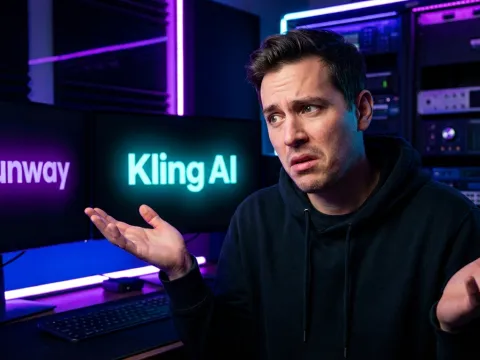
Comparing Runway vs Kling in the Runaway ai Space
When people talk about top-tier video, Runway is usually the first name mentioned. It is arguably the leader of the runaway ai pack for professionals. Their Gen-3 model is a beast, offering repeatable quality that most other tools can't touch right now.
But Runway has a serious catch: it gets expensive fast. If you're running a high-volume studio, you might find yourself facing a runaway ai bill that makes your eyes water. The versatility is there, and the motion brush is excellent for VFX, but you pay for that polish.
Then there is Kling. Kling has quickly become a fan favorite in the runaway ai community because of its realistic motion. It feels a bit more fluid than Runway in certain scenes. Plus, the runaway ai credit system in Kling is a bit more forgiving for hobbyists.
Kling offers daily credits on its free tier, which is a lifesaver for testing ideas. You don't have to commit to a massive monthly plan just to see if a concept works. In the runaway ai world, having a solid free option for experimentation is a huge competitive advantage.
Using Runway to Avoid Runaway ai Mediocrity
Runway is built for people who need their work to look expensive. It is the runaway ai tool of choice for polish-heavy workflows. The motion brush alone allows for a level of control that helps you avoid that typical "dreamy" look. It makes your runaway ai video feel intentional.
The learning curve is real, though. If you're new to the runaway ai scene, Runway might feel a bit overwhelming. There are so many knobs and sliders. But if you're serious about your craft, mastering this runaway ai platform pays off in the long run.
One common complaint is the occasional "uncanny valley" issue. Even with the best runaway ai models, faces can sometimes look a bit off. Runway is getting better at this, but you still need to be careful with your prompting to get clean results every time.
Why Kling is a Better Runaway ai Starter Option
Kling is honestly one of the better free options for those diving into runaway ai for the first time. It handles movement in a way that feels natural, especially for human figures. If you want to avoid a runaway ai headache while learning, Kling is a great starting point.
The downside? The free tier is great for testing, but it might not be enough for client-facing projects. You'll likely need to upgrade to get the resolution and speed required for professional work. Still, as a runaway ai gateway, it is hard to beat for the price.
Users often report that Kling feels more intuitive. You get results that are "good enough" much faster than you would on more complex runaway ai platforms. It is all about finding the right tool for your specific level of expertise and project needs.
Niche Options Like Higgsfield and Pika for Runaway ai Needs
Not everything is a two-horse race between Runway and Kling. Other runaway ai tools are carving out their own niches. Take Pika Labs, for example. Many users find that Pika is the easiest runaway ai tool to actually use. It’s built for speed and rapid loops.
If you're just trying to get a quick concept out of your head, Pika is fantastic. It might not always have the cinematic weight of Runway, but it’s a runaway ai workhorse for social media creators. It lets you iterate faster than almost anyone else in the game.
Then we have Higgsfield. This one is gaining traction for its cinematic control. If you're working on high-impact shorts, this runaway ai option is worth a look. It offers great character consistency, which is the "holy grail" for most people in the runaway ai community.
However, Higgsfield has its own set of problems. Generation can be a bit sluggish compared to other runaway ai services. And like Runway, the cost can ramp up quickly if you're not careful. It’s a tool for specific, high-quality use cases rather than general experimentation.
Higgsfield for Cinematic Runaway ai Projects
Higgsfield excels when you need a specific look and feel. The control it gives you over character movement is impressive for a runaway ai model. It is designed for creators who want their runaway ai shorts to have a bit of "soul" and consistency.
The problem is that some of the best features are locked behind high-tier plans. You really have to decide if that specific runaway ai cinematic style is worth the premium price. For many, the answer is yes, but it is not a decision to make lightly.
When you're dealing with runaway ai tools of this caliber, you're usually trading speed for quality. Higgsfield is no different. It's a slower process, but the results can be stunning. Just make sure your runaway ai budget is ready for the commitment.
Pika Labs for Quick Runaway ai Iteration
Pika is the polar opposite of the "slow and cinematic" approach. It is all about getting ideas on the screen. For many creators, Pika is the first runaway ai tool they open when they just want to see if an idea has legs. It’s fast and approachable.
The free tier on Pika is a bit limited, though. If you want to avoid the queue and get better quality, you'll eventually need to pay. But as a tool for rapid runaway ai experimentation, it is arguably the best in its class right now.
Don't expect it to replace Runway for high-end VFX, though. Pika is a runaway ai tool for the "now." It's great for memes, social ads, and quick concept art. It’s a vital part of a balanced runaway ai toolkit for any digital creator.
Managing Your Budget to Prevent a Runaway ai API Bill
One of the biggest fears in this industry is the runaway ai API bill. You set up an automation, something loops indefinitely, and suddenly you owe hundreds of dollars. This is a very real problem for developers and studios using these runaway ai models at scale.
Tools like Caplyr are becoming essential to prevent these runaway ai disasters. Caplyr acts as a gatekeeper, blocking requests once you hit a certain budget. It can even auto-downgrade models when costs start to spike, ensuring your runaway ai spending stays within your limits.
If you're building products on top of these models, you need a kill switch. A runaway ai project without cost constraints is a ticking time bomb. You have to be proactive about monitoring your usage if you want to survive in this runaway ai economy.
Pricing structures can be confusing, too. Some runaway ai platforms charge per second, others per credit, and others per frame. It's a mess. To stay ahead, you need to latest AI industry updates regarding pricing shifts and new, more efficient model releases.
Using Caplyr to Stop a Runaway ai Bill
Caplyr is basically insurance for your bank account. It stops runaway ai costs before they happen by enforcing real-time constraints. For developers, this is peace of mind. You can't rely on the runaway ai providers themselves to always warn you before you overspend.
The ability to auto-downgrade is a game-changer. If a top-tier model is getting too expensive, Caplyr can switch your runaway ai workflow to a cheaper, smaller model. This keeps your service running while keeping your runaway ai costs manageable. It's a smart way to work.
Without these kinds of tools, you are at the mercy of the market. And the runaway ai market is incredibly volatile. Prices change, token limits shift, and what was affordable yesterday might be a runaway ai nightmare tomorrow. Always have a backup plan for your spending.
GPT Proto for Smarter Runaway ai Spending
Another way to handle these runaway ai challenges is through model aggregation. Instead of managing five different subscriptions, you can use a unified platform. This is where you can learn more on the GPT Proto tech blog about streamlining your workflow and reducing overhead.
Platforms like GPT Proto allow you to access multiple runaway ai models through a single interface. This isn't just about convenience; it's about cost control. You can compare different runaway ai options in real-time and choose the one that fits your current budget and performance needs.
By using a unified API, you avoid the headache of multiple billing cycles. You can manage your API billing in one place, which is the best defense against a runaway ai financial surprise. It's the "performance-first" approach that smart creators are moving toward.
"Managing costs is just as important as generating quality content. If you can't control your runaway ai budget, you won't be in business for long."
What Real People Think About Choosing a Runaway ai Tool
If you look at user feedback, the sentiment is clear: people are tired of "black box" pricing and inconsistent results. In the runaway ai community, transparency is the most valued trait. Users love tools like Kling because they are honest about what you get for free.
On the other hand, there is a lot of respect for Runway's technical lead. Even with the runaway ai costs, the pros stick with it because it delivers. When you have a deadline, you don't want to mess around with a runaway ai tool that might or might not render correctly.
We also see a lot of interest in specialized runaway ai tools. For example, Pollinations.ai recently updated their filters to stop blocking legitimate artistic and medical content. This kind of responsiveness to user needs is what keeps a runaway ai platform relevant in a crowded market.
Then there are the "uncensored" runaway ai options like BeyondFans.AI. For creators in the NSFW space, these tools are the only way to work without constant bans. It just goes to show that the runaway ai landscape is diverse, catering to every possible niche and requirement.
Redditors on the Runaway ai Learning Curve
The consensus on Reddit is that "Runway is the most versatile, but the learning curve is real." This is a common theme in runaway ai discussions. You can't just expect the software to do all the work. You have to put in the time to master the runaway ai nuances.
Many users suggest mixing and matching. Use Kling for your initial movement tests to save your runaway ai credits. Then, once you have a concept you like, move it over to Runway or Higgsfield for the final, high-resolution runaway ai render. It's about being efficient.
And don't sleep on tools like CapCut for the final edit. Sometimes the best runaway ai workflow involves taking a raw AI clip and polishing it in a traditional editor. You don't always need a runaway ai solution for every single step of the process. Use what works.
Our Final Recommendations for Mastering Runaway ai Tech
So, where does that leave us? The runaway ai market is fantastic but frustrating. To succeed, you need to be both a creative director and a budget manager. You can't let the runaway ai tools dictate how you work; you have to command them.
Start by identifying your primary goal. Are you making a high-end commercial? Go with Runway. Are you just playing around with ideas? Start with Kling's free credits. By matching the runaway ai tool to the task, you avoid wasting time and money on the wrong platform.
Always keep an eye on your API usage. Use tools like Caplyr or consolidate your access via GPT Proto to keep a lid on those runaway ai bills. It's much easier to prevent a financial disaster than it is to recover from one after your runaway ai experiment goes off the rails.
Finally, stay curious but skeptical. Not every new runaway ai update is a game-changer. Some are just incremental steps. Read the docs, read the full API documentation for your favorite tools, and keep experimenting. The runaway ai future is bright, as long as you stay in control.
Picking Your Ideal Runaway ai Setup
Your ideal runaway ai stack depends on your volume. For solo creators, a mix of Kling and Pika is usually enough to get the job done without a massive runaway ai investment. It gives you enough variety to handle most social media and personal projects.
For agencies, the equation changes. You need the stability of Runway and the cost-control features of a professional API manager. You can't afford a runaway ai mishap when a client's budget is on the line. Structure your runaway ai workflow around reliability and predictability.
No matter what you choose, remember that the runaway ai space is still evolving. What we've discussed today might change in six months. That's the beauty and the curse of runaway ai technology. Stay flexible, stay informed, and most importantly, keep creating.
| Tool |
Best For |
Biggest Pro |
Biggest Con |
| Runway |
Pro VFX |
High Polish |
Expensive |
| Kling AI |
Realistic Motion |
Daily Free Credits |
Limited Free Quality |
| Pika Labs |
Fast Iteration |
Ease of Use |
Less Cinematic |
| Higgsfield |
Cinematic Shorts |
Character Consistency |
Sluggish Renders |
Written by: GPT Proto
"Unlock the world's leading AI models with GPT Proto's unified API platform."