The Current AI Photo Enhancer Market
Fixing bad images used to mean spending hours manipulating sliders. Now, the right photo enhancer fixes noise, blur, and compression artifacts in seconds. But there is a massive catch.
Most upscaling tools ruin pictures. They aggressively smooth skin until faces look like plastic mannequins. Finding a dependable ai photo enhancer requires sifting through heavy marketing hype. We need tools capable of real detail recovery without hallucinating weird artifacts into family portraits.
I reviewed community consensus and tested the options. Real users care about three things: cost, hardware demands, and natural-looking outputs. Let's break down the best photo enhancer choices available today.
Why the Plasticky Look Ruined Early Tools
Older algorithms guessed missing pixels poorly. Early software created a distinct, overly smooth aesthetic. You could instantly spot an ai-treated image. Textures disappeared. Hair turned into solid helmets of color.
Modern ai tool options handle context better. A quality image upscaler understands the difference between film grain and digital noise. This contextual awareness makes modern ai photo enhancer platforms actually usable for professional workflows.
Generative Upscaling vs. True Detail Recovery
We must separate true restoration from generative replacement. Some platforms analyze existing pixels and strictly sharpen them. Other tools utilize generative ai to invent missing data. If your photo enhancer imagines a freckle that never existed, you crossed into generative territory. Knowing which method you need dictates your software choice.
Professional-Grade AI Photo Enhancer Software
Professionals demand granular control. If you process client work, your photo enhancer tool must integrate seamlessly into Lightroom or Photoshop pipelines. These heavyweight applications dominate the premium tier.
Topaz Photo AI Breakdown
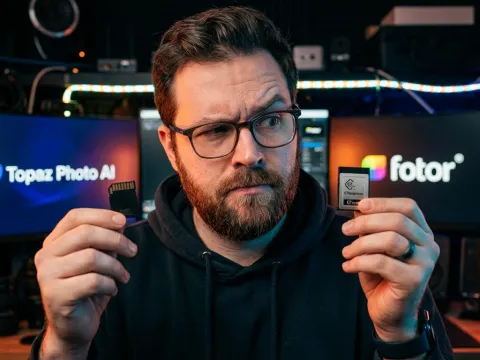
Reddit users constantly debate Topaz. Some claim Topaz photo ai is the absolute gold standard for night shots. The denoise feature legitimately saves unusable, high-ISO gig photography. It pulls back fine textures brilliantly.
But the backlash exists for good reason. Topaz demands heavy system resources. The subscription pricing frustrates casual users. Many users complain about the steep learning curve. The software punishes old hardware, making batch processing a nightmare on aging laptops.
Verdict: Choose Topaz if you shoot professional low-light events and own a dedicated GPU workstation.
Aiarty and Luminar Neo Alternatives
If Topaz feels too heavy, consider Aiarty. Users frequently label Aiarty as the overall best value photo enhancer on the market. It consistently boosts clarity and restores fine texture without introducing that dreaded over-processed aesthetic. Plus, the generous free trial lets you test full features before paying.
Luminar Neo hits a fantastic middle ground. It offers more control than one-click web apps but requires far less technical tweaking than Topaz. I utilize Luminar Neo for quick light upscaling. The resulting images stay natural, avoiding obvious ai interference.
Top Free Photo Enhancer Options
Not everyone needs a $100-plus annual subscription. Casual users just want quick clarity improvements for social media. The free photo enhancer market improved drastically over the last year.
Fotor AI Image Enhancer
Fotor remains incredibly popular. This web-based photo enhancer requires zero installation. Users love the lack of forced sign-ups. Batch processing comes standard, and Fotor avoids stamping ugly watermarks across your faces.
Fotor performs surprisingly well on old family photos. It restores faded details without adding weird artifacts. For a completely free enhancer, the output consistency beats many paid apps.
Real-ESRGAN for Open Source Users
Tech-savvy users should look at Real-ESRGAN. It stands as the most reliable open-source image upscaler available. The detail recovery rivals expensive premium options. You pay absolutely nothing.
The downside? Technical setup. You must navigate GitHub repositories and community UI builds. It requires command-line familiarity or finding a trustworthy third-party interface. If you hate terminal windows, skip Real-ESRGAN.
Comparing the Best Photo Enhancer Tools
Visualizing the software landscape helps narrow your choice. This table ranks the top ai enhancer platforms by core strengths.
| AI Photo Enhancer Tool |
Core Strength |
Cost Model |
UI Complexity |
| Topaz Photo AI |
Extreme detail recovery |
Premium Subscription |
High |
| Aiarty |
Natural texture retention |
Paid (Free Trial) |
Medium |
| Fotor AI |
Quick batch processing |
Free Web App |
Low |
| Real-ESRGAN |
Open-source flexibility |
100% Free |
Very High |
| Magnific AI |
Generative pixel invention |
Premium Subscription |
Medium |
Generative AI Photo Enhancer Tools
Standard detail recovery falls short on heavily degraded images. When original data simply does not exist, generative ai steps in. These tools completely hallucinate new pixels based on prompt context.
Magnific AI and Hallucinated Details
Magnific AI currently holds the heavyweight championship title for generative upscale technology. Users frequently ask, "Wait, how did it know there was a freckle there?" The answer: it didn't know. The ai photo enhancer guessed based on training data.
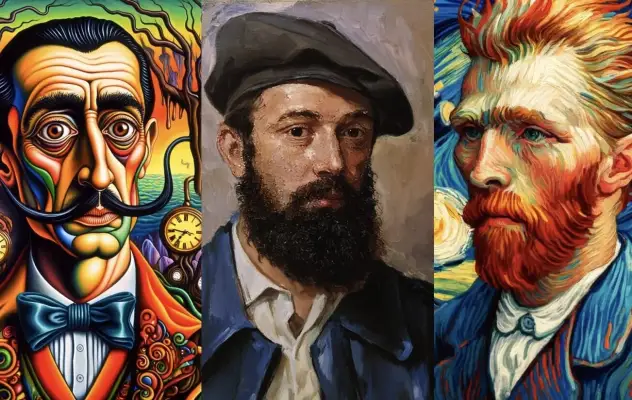
This generative detail swapping proves incredible for artistic renders. It proves disastrous for historical documentation. Magnific alters original facial structures. Use it for concept art, not family history.
Seedream 4K and BlurryLemon
If you prefer sharp results without excessive generative hallucination, try Seedream 4K. This ai model produces incredibly detailed, natural-looking outputs. Many users access Seedream via Fiddlart simply because the platform avoids subscription models. Pay-per-use feels much fairer.
BlurryLemon offers similar consistency. It unblurs and upscales without wrecking background details. Upload your image, hit enhance, and download the fixed file. Simple workflows win every time.
Specialized Photo Enhancer Solutions
Some projects require niche tools. Standard upscaling fails on specific damage types. Creased photographs, scratched negatives, and heavily color-shifted prints need specialized ai tool logic.
MemoryPanda for Restoration
Old photograph restoration requires distinct algorithms. MemoryPanda excels here. If you want straightforward photo restoration without complicated slider menus, check them out. The platform produces super sharp results from heavily degraded source materials.
HitPaw and Built-In Open Models
HitPaw packages complex models into an easy interface. The software includes built-in access to models like Nano Banana, FluxKontext, and standard SD (Stable Diffusion). Beginners gain access to advanced ai image upscaler technology without learning Python.
Moosky AI provides another great specialized option. It offers upscaling, selective editing, and colorization tools. You need an account, but signing up nets you free credits. Pikes AI similarly helps with fast background refinements and clarity bumps without over-processing.
Scaling Workflows with API Integration
Processing five images manually takes ten minutes. Processing five thousand images manually takes weeks. Enterprises and application developers cannot rely on desktop graphical interfaces. They need programmatic access.
This is where application programming interfaces shine. A reliable api allows you to build custom ai photo enhancer pipelines directly into your own software, mobile apps, or corporate websites.
Building a Custom Image Upscaler
Connecting a dedicated api transforms how your business handles user uploads. Instead of buying individual licenses for Topaz or Luminar, developers pass raw image data through server endpoints. The server returns the enhanced image instantly.
Managing multiple endpoint providers gets messy. You track billing across six different platforms. API keys scatter across configuration files. Rate limits crash your application during traffic spikes. A unified api access layer solves this fragmentation.
GPT Proto for Developer API Access
If you want to build automated enhancer workflows, check out GPT Proto. They provide a single integration point for top-tier generative models. You no longer need separate billing accounts for every single ai tool.
Developers can explore all available AI models through a single dashboard. This unified approach eliminates configuration headaches. You send your api prompt, specify your desired upscale parameters, and let the network handle the heavy lifting.
Cost control matters when processing thousands of images. GPT Proto offers flexible pay-as-you-go pricing, meaning you only pay for the exact compute used. No idle subscription fees. No wasted monthly credits.
Tracking API Costs and Usage
Running an intensive ai photo enhancer feature burns through compute quickly. Blindly sending api requests leads to massive surprise bills. Effective engineering requires strict telemetry.
Through the GPT Proto console, teams can monitor your API usage in real time. You see exactly which models consume the most resources. If an open-source model achieves the same detail recovery as a premium closed model, you swap the endpoint and instantly save money.
Integration stays simple. Developers can read the full API documentation, copy the endpoint structures, and push a custom ai enhancer to production in hours rather than weeks.
Final Verdict: Choosing Your Best Photo Enhancer
Your ideal tool depends entirely on your specific workflow. No single platform perfectly handles every image type. You must align the software capabilities with your actual daily requirements.
Best Fit by Use Case
- Professional Event Photographers: Buy Topaz Photo AI. The denoise feature justifies the massive price tag when salvaging dark wedding reception photos.
- Casual Everyday Users: Bookmark Fotor AI. It acts as the perfect free photo enhancer for quick social media uploads. Zero installations, zero watermarks.
- Archivists and Genealogists: Test MemoryPanda. The specific restoration algorithms handle creases, fading, and scratches better than standard upscalers.
- Creative Digital Artists: Subscribe to Magnific AI. The generative detail addition brings flat concept art to life, adding textures you never actually painted.
- Developers and Engineers: Utilize GPT Proto. Building a scalable photo enhancer pipeline demands unified api access and strict cost monitoring.
The Future of Image Upscaling
The ai photo enhancer market shifts weekly. Open-source models currently match last year's premium corporate offerings. The gap between free tools and expensive subscriptions shrinks daily.
Stop accepting blurry, low-resolution memories. Stop paying for tools that turn human faces into plastic wax figures. Test the free trials, utilize open-source models, and find the exact photo enhancer tool that respects your original images.
Written by: GPT Proto
"Unlock the world's leading AI models with GPT Proto's unified API platform."