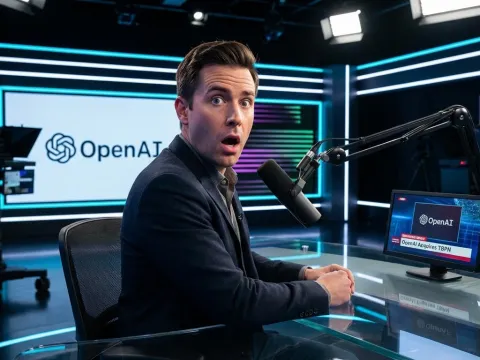
Why This Matters Now — The Context Behind the Deal Where Openai Acquires Tbpn
When the news broke that openai acquires tbpn, most of us in the tech space did a double-take. OpenAI is supposed to be building the future of compute, not running a talk show. But if you look at the friction points in the AI industry right now, this move starts to make a weird kind of sense.
Standard corporate communication is essentially dead. We’ve seen it a thousand times: a big tech company releases a dry white paper or a sanitized blog post, and the community immediately tears it apart. Sam Altman knows that to survive the massive cultural shifts coming, he needs a direct line to the people.
The decision where openai acquires tbpn signals a shift from defensive PR to active narrative control. It is about reaching the builders and the skeptics where they actually live—on YouTube, X, and Spotify. Traditional media doesn't move at the speed of a neural network, but a daily show does.
We’re talking about a show that became profitable in just eleven months. That’s a lightning-fast trajectory for any media property. By the time openai acquires tbpn, the show was already pulling 70,000 viewers per episode. It wasn't just a podcast; it was a growing power center in the AI discourse.
Key Insight: The move where openai acquires tbpn proves that distribution is the new moat. If you own the developers' attention, you own the market's direction.
The Death of Traditional PR Before Openai Acquires Tbpn
Before the moment openai acquires tbpn, OpenAI relied on the same tired press releases everyone else uses. It didn’t work. The nuanced technical changes in an AI model or a new API rollout often get lost in mainstream translation. They needed voices that actually understand the tech.
This is why having practitioners like John Coogan and Jordi Hays on the payroll is so strategic. They speak the language of the AI developer. When openai acquires tbpn, they aren't just buying a logo; they are buying an authentic connection to the tech community that traditional PR firms simply cannot replicate.
The friction here is real, though. Can you really stay "authentic" when your paycheck comes from the company you're supposed to be critiquing? That is the question everyone is asking now that openai acquires tbpn. It’s a gamble on whether the audience values the hosts more than their independence.
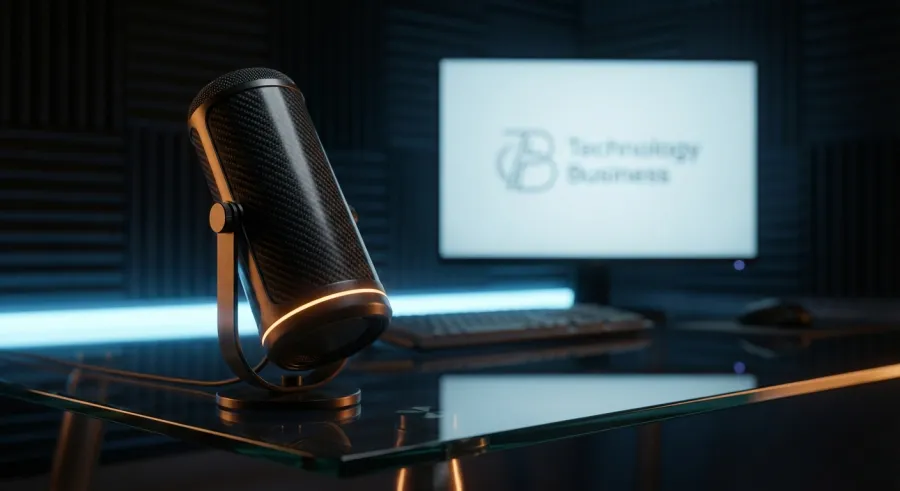
Core Concepts Explained — Breaking Down What Happens When Openai Acquires Tbpn
To understand the mechanics of what happened when openai acquires tbpn, you have to look at what TBPN actually is. TBPN stands for Technology Business Programming Network. It’s a live, daily operation that covers the intersection of business, tech news, and the evolving AI ecosystem.
The show didn't just stumble into success. It launched in March 2025 and scaled rapidly. By the time openai acquires tbpn, it was a five-day-a-week operation with a dedicated president for ad sales. This wasn't some hobbyist project; it was a legitimate business competing with the likes of CNBC.
Now that openai acquires tbpn, the hosts are transitioning from outside commentators to internal players. They’ve stated they want to move from just talking about the AI industry to actually making an impact on it. This shift from observer to participant is the core of the deal’s controversy.
OpenAI’s goal here is to explain the "massive changes" that artificial intelligence is bringing to the world. They’ve realized that people are scared, and a chatbot can't talk them through it. A human personality can. That is the fundamental concept behind why openai acquires tbpn exists in the first place.
- The Show: Technology Business Programming Network (TBPN).
- The Hosts: John Coogan and Jordi Hays.
- The Platform: Multi-channel distribution across YouTube, Spotify, and LinkedIn.
- The Goal: Direct communication to bridge the gap between AI labs and the public.
Understanding the Technology Business Programming Network Impact After Openai Acquires Tbpn
The impact of this deal extends far beyond a simple media buyout. When openai acquires tbpn, they are effectively building a vertical media stack. Imagine if Boeing owned the biggest aviation news channel, or if Pfizer owned the leading medical journal. It changes the nature of the information we consume.
For developers using the OpenAI API, this could mean better tutorials or more frequent updates through a medium they actually enjoy. However, for those looking for objective analysis of AI safety or competition, the scenario where openai acquires tbpn raises some red flags about biased reporting and hype cycles.
But let's be honest: the AI space is already filled with noise. If the deal where openai acquires tbpn leads to higher-quality explanations of complex topics, some might see it as a win. Others see it as the beginning of a corporate-sponsored echo chamber that drowns out dissenting voices.
Step-by-Step Walkthrough — Tracking the Timeline Leading Up to Openai Acquires Tbpn
The path to the moment openai acquires tbpn started long before the contracts were signed. It began with the rapid rise of "Technology Brothers" (the show's original name) in early 2025. They filled a vacuum in the market for high-frequency, high-quality tech commentary that wasn't afraid to get technical.
Within eleven months, they were profitable and hiring executive leadership. This demonstrated a massive demand for real-time AI news. Sam Altman noticed. He famously called it his favorite tech show. When openai acquires tbpn, it wasn't a random purchase; it was a targeted acquisition of a successful competitor.
The negotiation likely focused on how to maintain the show's "edge" while being under the corporate umbrella. We’ve seen this before in other industries, but in AI, the stakes are higher. The timeline of openai acquires tbpn shows a company moving fast to capture the narrative before competitors like Google or Meta do.
Post-acquisition, the first step is integrating the hosts into the OpenAI ecosystem. They aren't just guests anymore; they are part of the team. This integration is where the real work happens. If the quality drops after openai acquires tbpn, the audience will leave. If it stays high, OpenAI has a direct line to millions.
| Milestone |
Date / Detail |
Significance |
| TBPN Launch |
March 2025 |
Start of the "Technology Brothers" brand. |
| Profitability |
February 2026 |
Proven business model in tech media. |
| OpenAI Deal |
Late 2024 / Early 2025 |
The moment openai acquires tbpn. |
| Integration |
Current Phase |
Coogan and Hays join OpenAI staff. |
From Profitability to Acquisition When Openai Acquires Tbpn
Profitability is a huge signal in the media world. When a show can pay for itself and its staff within a year, it means the audience is highly engaged. When openai acquires tbpn, they are buying that engagement. They aren't interested in the ad revenue; they are interested in the trust the audience has.
But trust is fragile. The transition period after openai acquires tbpn will be the ultimate test. If the show starts sounding like a 24/7 commercial for the latest AI model or a specific API feature, that engagement will evaporate. Developers are particularly good at sniffing out corporate fluff from a mile away.
So, the challenge for Coogan and Hays is to stay "hard" on OpenAI, as Altman suggested he wants them to be. It’s a weird dynamic: your boss is telling you to criticize him so the show stays credible. That is the tightrope everyone is watching now that openai acquires tbpn.
Common Mistakes & Pitfalls — Evaluating Credibility After Openai Acquires Tbpn
The biggest mistake people make is assuming that "editorial independence" is a black-and-white concept. Even before the news that openai acquires tbpn, media outlets had biases based on their advertisers or investors. However, when the owner is the primary subject of the news, the conflict of interest is undeniable.
Many on Reddit have pointed out that the appeal of TBPN was that it felt like an outside voice. Now, it feels like part of the communications department. When openai acquires tbpn, the "commentary" naturally shifts toward "messaging." It’s hard to be truly objective when you’re reporting on your own company’s API outages.
Another pitfall is the risk of propaganda. If the show becomes a hype machine, it loses its value as a news source. The community is already skeptical of AI promises. If the deal where openai acquires tbpn leads to a sanitized version of the truth, it might actually damage OpenAI's reputation instead of helping it.
We also have to consider the market impact. Does this move create a moat that prevents other voices from being heard? If openai acquires tbpn and uses its massive resources to dominate the algorithm, smaller, independent creators might get pushed out. This 'distribution moat' is a double-edged sword for the ecosystem.
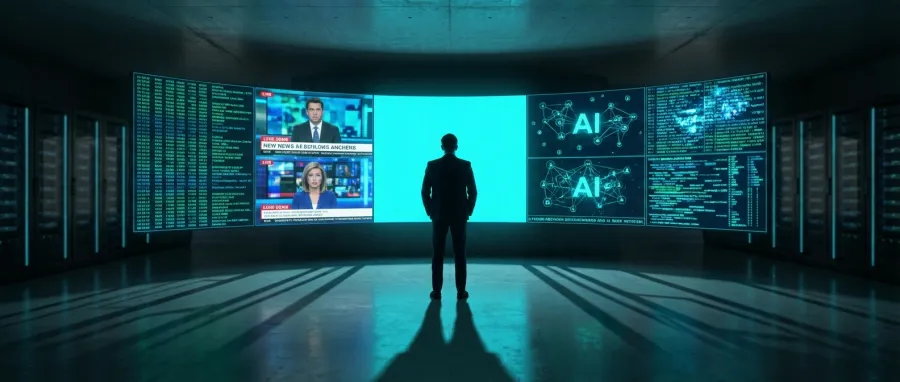
Crucial Warning: Don't take "editorial independence" at face value. Always cross-reference AI news from multiple sources to avoid falling into a single-narrative trap.
Distinguishing Commentary from Propaganda After Openai Acquires Tbpn
How do you tell the difference? It’s all in the questions they ask. Before the period where openai acquires tbpn, the hosts would grill guests on business models and technical failures. If they stop asking the hard questions about AI safety or model bias, you’ll know the propaganda has set in.
Redditors are right to be skeptical. We’ve seen similar media acquisitions in other sectors—like Ellison buying Paramount—where the goal is clearly narrative control. When openai acquires tbpn, we have to look for the "omitted" news. What aren't they talking about? That’s usually where the real story is hidden.
For those of us building with the OpenAI API, we need the unvarnished truth. We need to know when a model is degrading or when costs are becoming unsustainable. If the show stops providing that level of honesty because openai acquires tbpn, its utility for the developer community is essentially gone.
Expert Tips & Best Practices — Evaluating AI News When Openai Acquires Tbpn
As a practitioner, you can't rely on just one source. Even a high-quality show like TBPN is now a "biased" source by definition. After openai acquires tbpn, you should diversify your information diet. Follow independent researchers on X, read the latest AI industry updates from non-corporate blogs, and check developer forums.
Another tip is to look at the numbers, not the adjectives. OpenAI will use TBPN to paint a picture of progress. But as an AI developer, you need to look at benchmarks, latency stats, and actual API performance. Don't let the "hype message" distract you from the technical reality of the tools you're using.
If you're worried about the rising costs and potential gatekeeping in the AI space, look for platforms that offer model variety. Now that openai acquires tbpn, the ecosystem might feel more closed-off. Using aggregators can help you stay flexible and keep your infrastructure independent of any single provider's media machine.
Remember that the hosts are now insiders. This means they might have "alpha" on what’s coming, but they are also legally bound by NDAs and corporate loyalty. When openai acquires tbpn, their "insider" status is both a benefit for information speed and a hurdle for information honesty. Treat it as a primary source, not an objective one.
Managing API Costs and Information Flow While Openai Acquires Tbpn
Speaking of objectivity, one of the most practical things you can do right now is manage your API billing with a critical eye. Don't just follow the recommendations from a corporate-owned show. Test different models yourself. Sometimes the "best" model isn't the one getting the most airtime on a podcast.
If you're looking to save money while the big players fight for narrative control, consider a unified API approach. GPT Proto, for instance, allows you to access models from OpenAI, Google, and Claude through a single interface. This prevents you from being locked into one ecosystem while openai acquires tbpn and similar companies expand their influence.
Using a service that offers up to 70% discount on mainstream AI APIs is a smart way to hedge against the "distribution moats" these companies are building. It keeps your business agile. You can switch between performance-first or cost-first modes regardless of what the latest corporate-sponsored tech talk show is telling you to do.
Ultimately, the news that openai acquires tbpn should remind us that AI is a business, and media is a weapon. Stay focused on your own metrics. Use the tools that work for your specific use case, and keep a healthy level of skepticism about the "visionary" narratives being broadcasted from within the labs.
What's Next — The Long-Term Media Strategy of Openai Acquires Tbpn
The future is likely to see more of these "weird" acquisitions. OpenAI isn't just an AI company anymore; it’s becoming a platform and a publisher. When openai acquires tbpn, they are following a blueprint used by modern startups: own the media, own the market. We might see them launch more shows or even movies.
Expect TBPN to become a central hub for OpenAI product launches. Instead of a boring keynote, we’ll get a "special episode." This is the goal when openai acquires tbpn—to make corporate news feel like culture. It’s a powerful strategy, provided they can keep the audience from feeling like they’re being marketed to.
We should also watch for how other AI companies respond. Will Google buy a YouTube network? Will Anthropic start its own investigative journal? The arms race has moved from just "more parameters" to "more eyeballs." The moment openai acquires tbpn was the first shot in the AI media wars.
For the average user, this means better production values and more access to AI thinkers. For the critical observer, it means the line between news and advertisement has officially blurred. As openai acquires tbpn, the way we consume tech news has fundamentally changed, and there is no going back to the old ways.
Future Media Moats Created by Openai Acquires Tbpn
A media moat is hard to drain. Once you have a loyal audience that tunes in every day, you can guide them through any product transition or controversy. This is the ultimate "insurance policy" OpenAI is buying. When openai acquires tbpn, they are buying a safety net for their brand reputation during the rocky years of AGI development.
But we shouldn't forget the human element. John Coogan and Jordi Hays are entrepreneurs. They didn't build TBPN to be a corporate mouthpiece. They likely see this as a way to scale their vision. The tension between their personal brands and the OpenAI brand will be the most interesting thing to watch after openai acquires tbpn.
If you want to stay ahead of these trends, you can learn more on the GPT Proto tech blog, where we track how these industry shifts affect developers. The merger of media and AI is just beginning. Stay sharp, keep testing your models, and remember that in the AI world, if you're not paying for the info, you're the one being influenced.
And if you're ready to start building without getting caught in the media hype, read the full API documentation for our unified platform. It’s the best way to keep your technical options open while the giants like OpenAI focus on their media empires and narrative strategies.
Written by: GPT Proto
"Unlock the world's leading AI models with GPT Proto's unified API platform."