TL;DR
Finding the best ai for writing means abandoning the idea of a single, universal chatbot. Top-tier content creation requires a specialized stack, pairing logic-heavy models for outlining with nuanced engines for drafting and revising.
The market has matured past generic wrappers that spit out stiff, predictable paragraphs. Real authors and content teams treat different algorithms as distinct contractors. You might draft raw concepts with Claude, structure complex arguments using ChatGPT, and rely on targeted software to track fiction lore or strip away robotic tones.
Success comes down to matching the exact program to your immediate bottleneck. Rather than fighting a single platform's inherent limitations, smart creators build a workflow that routes specific drafting stages to the engines actively designed to handle them.
The Current Market: Evaluating the Best AI for Writing
Finding the best ai for writing requires cutting through heavy marketing noise. The market remains flooded. Every week brings another text generator promising perfect copy. But there's a catch. Most generic text wrappers output stiff, robotic garbage.
Real writers know one tool never handles every phase of the writing process. Reddit communities focused on digital drafting consistently report the same frustration. A tool might build brilliant plot structures but fail completely at natural dialogue. Another might format blog posts perfectly but struggle with narrative pacing.
Evaluating the best ai for writing means analyzing your specific writing style. The top writing tools specialize. Some handle raw ideation. Others manage complex world-building databases. A growing category focuses entirely on humanizing ai text.
Let's look at the numbers and user consensus. We broke down the top writing tools by their specific utility.
Why One Size Never Fits All
Different ai models excel at different tasks. Asking a single chatbot to outline, draft, format, and edit a complete novel guarantees mediocre results. Serious content creators treat these ai models like individual specialists in a larger writing process.
You need specific writing tools for specific jobs. Structuring a manuscript requires database logic. Brainstorming requires high-creativity models. Final editing requires nuance and context retention. The best ai for writing depends entirely on the current stage of your initial drafts.
Head-to-Head Breakdown: General Purpose Writing Tools
When users hunt for the best ai for writing, they usually start with general-purpose chatbots. These ai models handle standard blogging, emails, and basic content generation well. But power users recognize distinct differences in their output capabilities.
Claude vs. ChatGPT for Daily Drafts
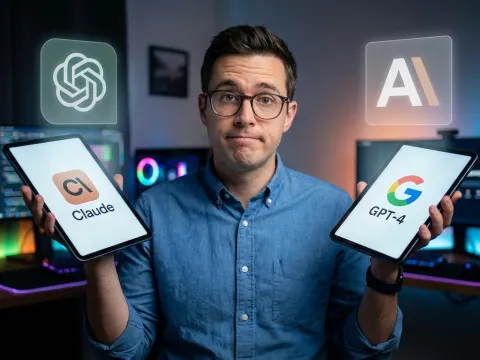
The heavyweights dominate the general conversation. Anthropic Claude receives consistent praise for its prose quality. Writers note its natural flow. Claude avoids the heavily stylized, bullet-point-heavy output that often plagues early generative models.
ChatGPT excels elsewhere. Writers prefer ChatGPT for outlining, structuring complex arguments, and raw brainstorming. Its logic engine handles rigid formatting requests better.
"Claude's great for flow, GPT-4 for structure, and Gemini's getting better at nuance for editing and tone."
Gemini recently entered the chat as a strong contender for revision work. Users report Gemini captures tone adjustments well during the editing phase. Selecting the best ai for writing among these three depends on your immediate bottleneck. Draft with Claude. Outline with ChatGPT. Refine with Gemini.
Multi-Model Flexing with Writingmate
Switching tabs between different ai writing tools disrupts momentum. Writingmate solves this workflow friction. It offers a consolidated experience, pulling multiple ai models into a single interface.
Users specifically highlight the Halomate integration. The primary advantage involves switching models mid-conversation. You can start an outline with a logic-heavy model, then switch to a creative model for the prose, all without losing context window data.
Inline editing features make Writingmate a top contender for the best ai for writing. Highlighting a specific sentence and requesting targeted rewrites keeps the initial drafts clean.
| Tool Name |
Primary Strength |
Ideal User Profile |
Core Model Type |
| Claude (Anthropic) |
Natural prose flow |
Bloggers and copywriters |
General LLM |
| ChatGPT |
Structure and outlines |
Non-fiction authors |
General LLM |
| Writingmate |
Multi-model access |
High-volume creators |
Aggregator |
| Gemini |
Nuance and tone editing |
Editors and revisers |
General LLM |
Best Fit by Use Case: Fiction and Novel Writing Tools
Fiction demands long-term memory. General ai models fail at novel writing because they forget early chapter details. Finding the best ai for writing long-form fiction means prioritizing contextual memory over raw generation speed.
Structuring Workflows with Sudowrite and Novelcrafter
Novelists face unique pain points. Managing timelines, tracking character arcs, and maintaining consistent voices stretch standard memory limits.
Sudowrite built its entire platform around fiction mechanics. The Story Bible feature acts as a massive repository for plot tracking. Novelists feed their universe details into the Story Bible, ensuring the ai models reference the correct lore during generation. The Canvas feature visualizes plot twists, making Sudowrite a premium choice for the best ai for writing fiction.
Novelcrafter takes a different approach. It focuses heavily on manuscript organization and world-building. Many users run Novelcrafter strictly as an organizational tool, utilizing its deep wiki-style linking regardless of their ai usage. For users combining human creativity with algorithmic assistance, Novelcrafter structures the writing process beautifully.
Mythril.io for Deep Lore Management
Managing complex fantasy or sci-fi worlds requires specialized writing tools. Mythril.io positions itself directly against traditional software like Scrivener, but injects active algorithmic intelligence.
Mythril analyzes your uploaded text. It automatically builds a database tracking characters, locations, and narrative beats. If a character acquires an item in chapter two, Mythril logs that asset. When searching for the best ai for writing intricate series, auto-updating lore databases save hundreds of editing hours.
Fixing the Output: The Top AI Humanizer Tools
Even the best ai models generate recognizable patterns. The dreaded robotic tone ruins good content. Sentences follow predictable lengths. Vocabulary choices become repetitive. Overpolished text signals algorithmic generation immediately.
Beating the Robotic Tone
Humanizing ai text requires deliberate effort. You cannot simply command a base model to "sound human." The architecture defaults to average linguistic probabilities. That averaging creates the stiff tone.
Dedicated ai humanizer tools rewrite raw generation into natural language. TwainGPT currently dominates user recommendations for bypassing AI detectors. Users report TwainGPT strips away algorithmic markers while maintaining the original meaning.
"TwainGPT has easily been the best humanizer for me. Nothing else has matched it so far."
Walter Writes AI serves a similar function but focuses specifically on tonal adjustments. When Claude or ChatGPT generates an overly sterile draft, Walter Writes AI injects conversational imperfections. Finding the best ai for writing often means finding the best ai humanizer to fix your raw output.
| Humanizer Name |
Core Function |
Output Style |
Best Feature |
| TwainGPT |
Detector bypassing |
Natural conversational |
Algorithmic stripping |
| Walter Writes AI |
Tone correction |
Relaxed professional |
Removing over-polish |
| Base Claude |
Initial drafting |
Structured prose |
High readability |
Scaling Output: APIs, Workspaces, and Publishing Tools
Content teams require more than standalone web interfaces. Integrating the best ai for writing into daily operations requires workspace tools and automation pipelines.
Notion AI and Kitful AI Workflows
Notion AI transforms standard note-taking into an active writing process. Embedded directly within the workspace, it summarizes meeting notes, expands bullet points into paragraphs, and tracks project deliverables. It serves as an excellent ambient assistant.
Publishing speed matters. Kitful AI targets the distribution bottleneck. Copy-pasting text from generation windows into CMS platforms wastes time. Kitful AI automates keyword research and direct publishing workflows. For affiliate marketers and high-volume bloggers, eliminating the copy-paste routine makes Kitful a top-tier asset.
Unified Access for Custom AI Models
Building custom writing tools requires backend access. Developers creating proprietary marketing pipelines need reliable endpoints. Managing separate subscriptions for Anthropic, OpenAI, and Google quickly becomes expensive.
GPT Proto solves API fragmentation. By offering a unified interface, developers
explore all available AI models through a single dashboard. This one-stop multi-modal access routes queries to the optimal provider based on your specific task.
Scaling a startup's writing style requires predictable costs. GPT Proto provides
flexible pay-as-you-go pricing, often delivering significant discounts compared to direct individual subscriptions. Smart scheduling protocols ensure your writing tools never face rate limits during critical publishing windows.
If your team builds bespoke ai writing tools, reviewing the integration process is mandatory. Developers can
read the full API documentation to see how easily multi-model routing handles complex drafting tasks. Integrating the best ai for writing directly into your CMS is the ultimate productivity hack.
Want to stay updated on new model releases impacting the writing process? Teams frequently
learn more on the GPT Proto tech blog regarding architecture changes and prompt optimization.
Real User Experiences: Tips for the Best AI for Writing
Owning the best ai for writing means nothing without operational skills. The tool rarely limits the output; the operator does. Reddit communities constantly highlight the gap between novice users and experienced practitioners.
Combining AI Tools with Human Editing
A massive misconception exists regarding autonomous generation. Algorithmic drafting requires aggressive human editing. Even the most advanced ai models make contextual errors. They hallucinate facts. They misjudge appropriate tonal shifts.
Treat initial drafts as raw clay. The writing process accelerates when you accept algorithmic output as a starting point, not a final product. Human editors must inject personal anecdotes, verify claims, and break up predictable sentence structures.
Mastering the Prompt Engineering Process
Output quality directly mirrors input specificity. Vague prompts generate vague, useless text. The best ai for writing demands strict guidelines.
Effective prompts contain specific instructions. Define the exact audience. Dictate the formatting requirements. Provide examples of the desired writing style. Exclude specific words or phrases you hate.
* **Bad Prompt:** Write a blog post about software.
* **Good Prompt:** Act as a senior developer. Write a 500-word blog post explaining API rate limits to junior engineers. Use short paragraphs. Avoid corporate jargon. Include one metaphor about highway traffic.
Prompting remains a learned skill. Test variations. Analyze the differences in output.
Matching the Tool to the Objective
Stop forcing models outside their core competencies. Do not ask ChatGPT to track a complex fictional narrative spanning four books. Do not ask Sudowrite to format a technical whitepaper on server architecture.
Understand the specific strengths of your chosen writing tools. Route tasks accordingly. The best ai for writing is actually a carefully curated stack of specialized ai models, driven by an operator who understands their inherent limitations.
Focus on the writing process. Refine your initial drafts manually. Utilize a dedicated ai humanizer when the text feels stiff. By building a customized toolchain, you achieve high-quality content production without sacrificing your unique voice.
Written by: GPT Proto
"Unlock the world's leading AI models with GPT Proto's unified API platform."