


art-ai
人工知能が生成した、世界に一つだけのART AIアート作品を発見しましょう。各キャンバスは一度だけ印刷される、限定かつコレクション価値のある作品で、世界中に配送されます。

curl --request POST "https://gptproto.com/api/v3/openai/gpt-image-2/image-edit" \
  --header "Authorization: Bearer $GPTPROTO_API_KEY" \
  --header "Content-Type: application/json" \
  --data '{
    "images": [],
    "prompt": "A tiny origami fox sailing a teacup across a moonlit puddle",
    "n": 1,
    "quality": "auto",
    "size": "auto",
    "enable_sync_mode": "false",
    "response_format": "url"
}'1回のサンプル費用から始め、テスト予算を選びます。GPTProto 料金は表示価格より 20% お得です。

| モデル | 解像度 | 入力 → 出力 | ||
|---|---|---|---|---|
| $6.40 / $24.00 per 1M | more | 入力: テキスト入力: 画像 出力: 画像 | |
| $7.60 / $28.50 per 1M | — | 入力: テキスト入力: 画像 出力: 画像 | ||
| $7.60 / $28.50 per 1M | — | 入力: テキスト入力: 画像 出力: 画像 | ||
| — | $0.04 / 1回あたり | 1K · 2K · more | 入力: テキスト入力: 画像 出力: 画像 | |
| $0.04 / 1回あたり | 1K · 2K | 入力: テキスト入力: 画像 出力: 画像 | ||
| $0.02 / 1回あたり | 1K | 入力: テキスト入力: 画像 出力: 画像 | ||
| $0.04 / 1回あたり | 1K · 2K · 4K | 入力: テキスト入力: 画像 出力: 画像 | ||
| $0.04 / 1回あたり | 1K · 2K · 4K | 入力: テキスト入力: 画像 出力: 画像 | ||
| $0.03 / 1回あたり | — | 入力: テキスト入力: 画像 出力: 画像 | ||
| $0.03 / 1回あたり | — | 入力: テキスト入力: 画像 出力: 画像 | ||
| $0.01 / 1回あたり | — | 入力: テキスト入力: 画像 出力: 画像 | ||
| $0.02 / 1回あたり | — | 入力: テキスト入力: 画像 出力: 画像 | ||
| $5.60 / $22.40 per 1M | — | 入力: テキスト入力: 画像 出力: 画像 | ||
| — | $0.14 / 1回あたり | — | 入力: テキスト 出力: 画像 | |
| $1.75 / $5.60 per 1M | — | 入力: テキスト入力: 画像 出力: 画像 | ||
| — | $0.01 / 1回あたり | — | 入力: 画像 出力: 画像 | |
| — | $0.02 / 1回あたり | — | 入力: 画像 出力: 画像 | |
| $0.03 / 1回あたり | — | 入力: テキスト 出力: 画像 | ||
| $0.06 / 1回あたり | — | 入力: テキスト入力: 画像 出力: 画像 | ||
| $0.03 / 1回あたり | — | 入力: テキスト入力: 画像 出力: 画像 | ||
| $0.05 / 1回あたり | — | 入力: 画像 出力: 画像 | ||
| $0.05 / 1回あたり | — | 入力: 画像 出力: 画像 | ||
| $0.05 / 1回あたり | — | 入力: テキスト 出力: 画像 | ||
| $7.00 / $28.00 per 1M | — | 入力: テキスト入力: 画像 出力: 画像 | ||
| $0.06 / 1回あたり | — | 入力: テキスト入力: 画像 出力: 画像 |
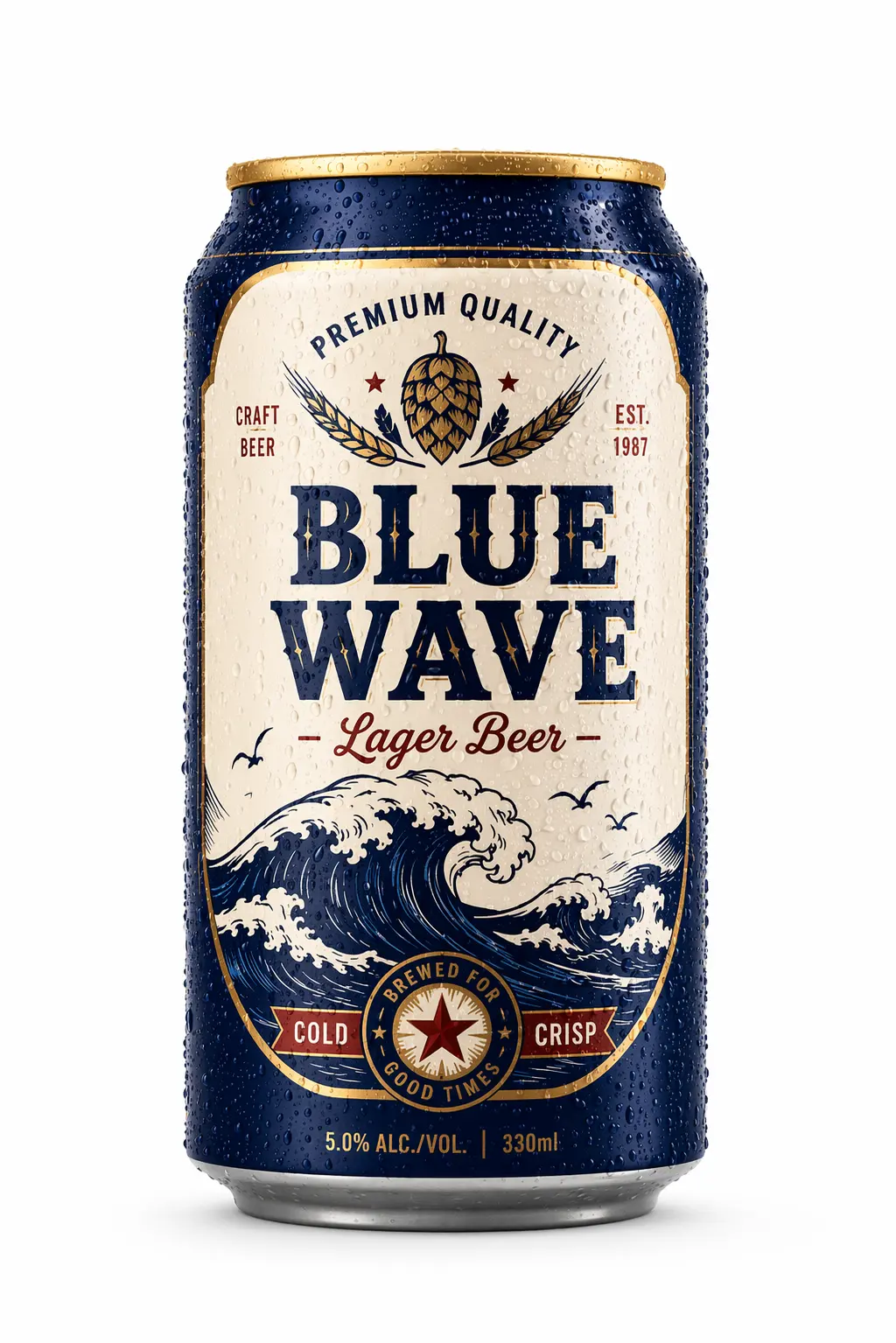
gpt-image-2 is OpenAI's image generation and editing model, released April 21, 2026 as the successor to gpt-image-1 (April 2025) and gpt-image-1.5 (December 2025). It is natively multimodal — image generation is part of the core model rather than a diffusion model bolted onto a language model — which is why it follows long, multi-part prompts and renders readable in-image text more reliably than DALL-E-era generators.
Two things set the model apart at the API level. First, an agentic "thinking" pass: for complex prompts it plans composition and reasons through constraints before generating, which lifts success rates on infographics, multi-panel layouts, and text-heavy marketing assets. Second, an editing endpoint that accepts mask images for precise inpainting and outpainting, plus up to 16 reference images per call for identity and style consistency. Output is PNG at up to 2K native resolution, with neutral color that fixes the warm cast in gpt-image-1.5.
On GPTProto you call the same gpt-image-2 model ID through the standard OpenAI-compatible request shape — no separate OpenAI account, no organization verification step, and one balance that also covers Nano Banana Pro, Seedream, Flux, and 200+ other models.
| Spec | GPT Image 2 |
|---|---|
| Model ID | gpt-image-2 |
| Released | April 21, 2026 |
| Type | Text-to-image + image editing (inpaint / outpaint) |
| Output format | PNG (raster) |
| Max resolution | Native 2K (2048px); high-res variants up to ~4K |
| In-image text | Latin + CJK (Chinese / Japanese / Korean), dense layouts |
| Reasoning | Agentic "thinking mode" (plans before rendering) |
| Reference images | Up to 16 per call |
| Editing | Mask-based inpaint / outpaint; unedited pixels preserved |
| Input modality | Text (+ reference images) |
| OpenAI list price | $8 / $30 per 1M tokens (input / output) |
| GPTProto price | $6.4 / $24 per 1M tokens (20% under list) |
| Access | One GPTProto key, no OpenAI org verification |
| GPT Image 2 | Nano Banana Pro | GPT Image 1.5 | |
|---|---|---|---|
| Model ID | gpt-image-2 |
gemini-3-pro-image-preview |
gpt-image-1.5 |
| Vendor | OpenAI | OpenAI | |
| Released | Apr 2026 | Nov 2025 | Dec 2025 |
| Max resolution | 2K native (~4K variants ) | up to 4K (4096px) | 2K |
| In-image text | Latin + CJK | multilingual, long passages | improved vs gpt-image-1 |
| Reasoning | agentic thinking | Gemini 3 reasoning + Search grounding | none |
| Reference inputs | up to 16 images | multi-image, ~5-subject identity | fewer |
| OpenAI/Google list | $8 / $30 per 1M | $2 / $12 per 1M | $8 / $32 per 1M |
| GPTProto price | $6.4 / $24 per 1M | $ 0.0804/ per time |
$ 5.6 / $ 22.4 per 1M |
| On GPTProto | ✓ | ✓ | ✓ |
Which to pick (honest): Nano Banana Pro has the lower token rate, native 4K, and Search-grounded generation — reach for it when cost, 4K infographics, or real-world-grounded visuals matter most. GPT Image 2 leads on agentic layout planning, up to 16 reference images, and tight drop-in compatibility with the OpenAI SDK — reach for it for reference-heavy product/packaging work already wired to OpenAI. Because both run on one GPTProto balance, you can benchmark them against your own prompts without opening a second account.
If you already call gpt-image-2 on OpenAI, moving to GPTProto is a base-URL swap — the model ID and request shape stay the same:
model: "gpt-image-2" and your existing images.generate / edit request body. https://gptproto.com/v1 and use your GPTProto key.Exploring GPT Image 2 and other models reveals a significant shift in how AI handles visual complexity and linguistic integration within pixels. GPT Image 2 — the latest evolution in the GPT vision series — focuses on solving the long-standing challenges of text clarity and intricate detail consistency.
The reception of GPT Image 2 across developer circles and creative communities has been largely positive, specifically regarding its aesthetic output. Many early testers suggest that GPT Image 2 represents the best image model currently available for general-purpose creative tasks. According to recent GPT Image 2 community reviews, the model demonstrates a remarkable ability to generate complex, visually appealing scenes that previous versions struggled to maintain.
However, the GPT Image 2 user experience isn't without its nuances. While the quality remains high, the 'self-review loop' feature — a mechanism where the model audits its own output for errors — introduces a trade-off. This process can extend generation times significantly, sometimes reaching 11 minutes per image in high-fidelity modes. For production environments requiring high throughput, balancing GPT Image settings becomes essential to maintain efficiency.
One of the most notable improvements in GPT Image 2 involves text rendering within generated graphics. Historically, AI models produced 'gibberish' or distorted characters. GPT Image 2 handles small details and legible text with much higher precision. Whether generating UI mockups, posters, or branded content, GPT Image provides a level of clarity that reduces the need for post-generation manual editing.
GPT Image 2 excels at small detail rendering, though it remains a stochastic system. For developers, the real value lies in the GPT Image 2 API's ability to interpret complex prompts into structured, readable visual data.
When using the GPT Image 2 API, performance varies based on the active features. The self-review loop offers a layer of quality control that virtually eliminates 'six-finger' artifacts and warped anatomy. However, this precision comes at a cost of time. For rapid prototyping, many developers prefer the standard GPT 2 generation path, which bypasses the extended review phase to deliver results in seconds rather than minutes.
The competitive landscape for vision models is heating up. GPT Image 2 often faces comparisons with upcoming models like Nano Banana Pro. While Nano Banana promises steep competition, GPT Image currently leads in architectural stability and prompt adherence. Developers evaluating these models should consider the following metrics:
| Feature Metric | GPT Image 2 | GPT Image 1.5 | Nano Banana Pro |
|---|---|---|---|
| Text Legibility | High | Moderate | Pending |
| Small Detail Focus | Superior | Average | High |
| Average Latency | Variable | Fast | Fast |
| API Stability | Stable | Stable | Experimental |
| Vision Reasoning | Advanced | Basic | Advanced |
As shown, GPT Image 2 prioritizes quality and reasoning over raw speed, making it the preferred choice for high-end creative workflows where accuracy outweighs the need for instant delivery.
Specialized use cases, such as manga translation or technical diagramming, highlight certain GPT Image 2 limitations. Users have reported massive hallucinations when translating text directly within an image. In some instances, GPT Image 2 may change the original artwork significantly while attempting to modify the text. For these workflows, a multi-stage approach — using the vision API to extract text and then a separate layer for overlaying — often yields better results than direct image-to-image manipulation.
Another area for optimization is the image-to-image generation feature. Current GPT Image 2 behavior sometimes results in the reference image 'shimmering' through or overlaying awkwardly rather than a clean transformation. Understanding these GPT Image 2 nuances allows developers to craft better prompts that guide the model toward cleaner transitions. For deeper technical strategies, you can read the full API documentation for the GPT Image series.
Accessing GPT Image 2 via GPTProto eliminates the complexity of credit-based systems. We offer flexible pay-as-you-go pricing that ensures you only pay for the tokens and generations you actually use. Our infrastructure is built for stability, providing a reliable bridge to the GPT Image 2 API even during peak demand periods. Users can monitor API usage in real time to optimize their spending and performance.
Whether you are building a humorous meme generator or a professional design assistant, GPT Image 2 offers the creative depth required for modern AI applications. By joining the GPTProto referral program, you can also earn commissions while sharing these powerful vision capabilities with your network.
GPT Image 2の機能、料金、API統合に関するよくある質問への回答をご覧ください。
その他のAI画像生成ツールの可能性を最大限に体験
人工知能が生成した、世界に一つだけのART AIアート作品を発見しましょう。各キャンバスは一度だけ印刷される、限定かつコレクション価値のある作品で、世界中に配送されます。
画像から動画AIを使って、どんな写真でも動画クリップに変換できます。無制限の生成、滑らかなモーション、テキストから動画への変換に対応。すべてブラウザで無料で利用できます。
Nano Banana ProとNano Banana 2では、自然な英語でチャットするだけで画像を生成・編集できます。次世代AIを搭載し、オンラインで無料で利用できます。
完璧なリップシンクを備えた、スタジオ品質のAIディープフェイク動画を作成できます。ディープフェイク生成APIを使って、カスタム動画アバターやデジタルツインを今すぐ構築しましょう。
このモデルに関連するガイド、比較、最新情報。
すべての記事
ぼやけたAI特有のアーティファクトに妥協するのは、もうやめましょう。ChatGPT Image 2.0は、クリエイティブなワークフローにキャラクターの一貫性と物理的な整合性をもたらします。今すぐツールをお試しください。
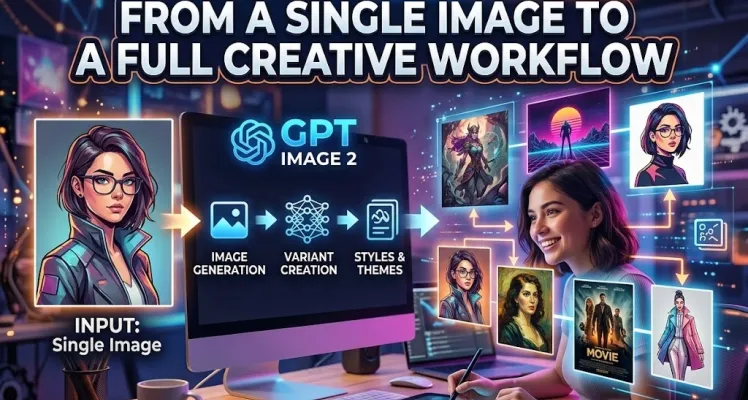
GPT Image 2を使って、マーケティング、ブランディング、デザイン向けの魅力的でフォトリアルな画像を生成する方法を学びましょう。GPT Image 2を本番環境で利用可能にする、安定性と手頃な価格を兼ね備えたAPIプラットフォーム、GPT Protoをご紹介します。
ChatGPT Image 2.0がキャラクターの一貫性と映画的な物理表現をどのように処理するのかを学びましょう。この画像生成ツールの本当の限界と強みをご確認ください。
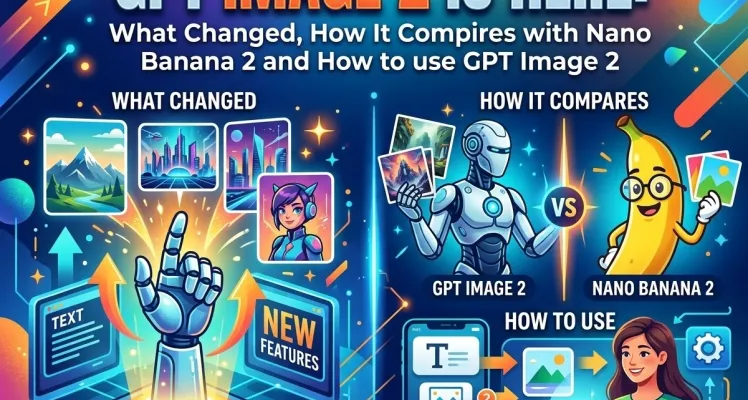
GPT Image 2が現在提供開始され、より鮮明なテキスト描画、フォトリアルなシーン、優れたレイアウト処理を実現しています。変更点、Nano Banana 2との比較、GPT Proto経由でのアクセス方法を学びましょう。
入力
出力