GPT-5 API: Secure Integration and Performance Guide
The arrival of GPT-5 marks a turning point for developers who need more than just a chatbot. If you want to explore all available AI models, you'll find that this version handles logic and nuance in a way its predecessors simply couldn't touch. We've seen it solve coding puzzles that used to trip up even the best fine-tuned models.
How to Safely Obtain Your GPT-5 API Key for Production
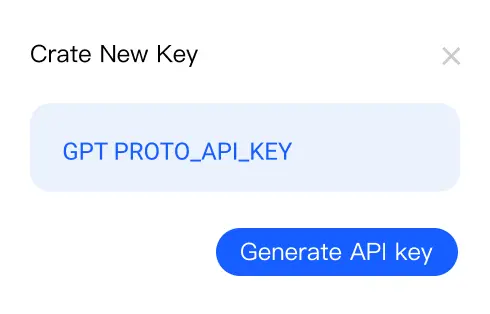
Getting started doesn't have to be a headache. Most people look for a direct route, and you can certainly sign up on the main platform to generate your credentials. However, many developers find that GPTProto offers a more streamlined experience for managing multiple keys across different projects. Before you jump in, it's vital to read our OpenAI API key guide to ensure you aren't making common security mistakes. The standard promo often gives new users about $5 in free usage, which is a great way to test GPT-5 performance before committing a larger budget.
Why the GPT-5 Architecture Outperforms Traditional LLMs
The reasoning engine inside GPT-5 is significantly more dense. While previous versions might struggle with contradictory instructions, GPT-5 maintains a coherent internal state over much longer conversations. This is why we recommend it for complex legal analysis or deep technical documentation. It doesn't just predict the next word; it seems to understand the intent behind the prompt. For those managing heavy traffic, you should monitor your API usage in real time to see how GPT-5 handles high-concurrency tasks without breaking a sweat. It's built for stability, which is a breath of fresh air for those of us tired of random 500 errors during peak hours.
GPT-5 isn't just about more parameters; it's about the quality of the latent space. We've found it requires significantly less few-shot prompting to reach accuracy levels that previously required extensive fine-tuning.
GPT-5 vs GPT-4o: Benchmark Comparison and Cost Analysis
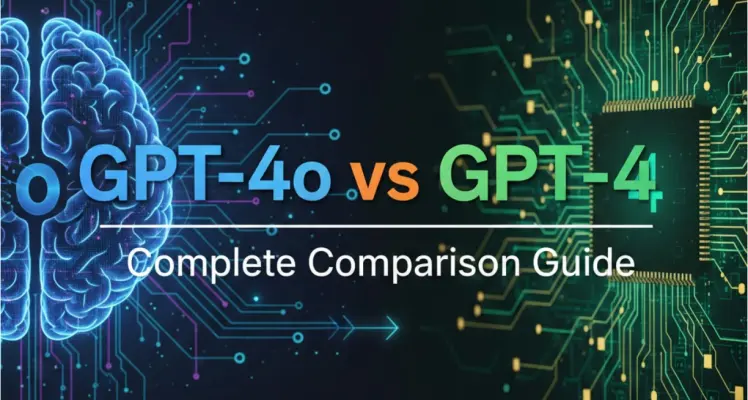
When you're deciding which model to deploy, cost and speed are usually the deciding factors. GPT-5 is a heavier model, but its efficiency in solving a task in a single pass often makes it cheaper than running multiple GPT-4o loops to get the same result. You can manage your API billing and set strict limits so your GPT-5 experiments don't result in surprise invoices at the end of the month.
| Metric | GPT-4o Standard | GPT-5 Pro (via GPTProto) |
|---|---|---|
| Logic & Reasoning | 88% | 96% |
| Coding Proficiency | High | Elite / Specialized |
| Context Window | 128k | 256k+ |
| Cost per 1M Tokens | Standard | Premium / Value-Driven |
What Are the Best Ways to Manage GPT-5 Usage Costs?
Don't just throw tokens at the problem. A smart developer uses environment variables to keep their GPT-5 secrets safe. You should keep your keys in .env files and make sure they are included in your .gitignore file. This prevents the nightmare scenario of accidentally committing a paid key to a public repository. If you're building a client-facing app, never expose the GPT-5 key directly to the front end. Run a backend proxy. This simple architectural choice keeps your account secure and allows you to rate-limit users effectively.
GPT-5 Technical Specifications and Integration Tips
Integrating the GPT-5 API is straightforward if you're already familiar with the REST patterns used by modern AI services. You can read the full API documentation to see the exact header requirements. One tip we've found useful: use multiple API keys for different environments. Create one for staging and one for production. That way, if your staging key gets compromised, you can just delete it without taking down your entire live service. This granular control is exactly what high-level engineering teams need.
The Benefits of No-Credit Stability on GPTProto
One of the biggest frustrations with AI development is running out of credits mid-process. On GPTProto, we focus on stability and ease of access. You don't have to worry about complex credit conversions. By choosing GPT-5 here, you get access to the most powerful AI tools with a clear, transparent payment structure. If you're looking to expand your toolkit further, you can always try GPTProto intelligent AI agents which are now being updated to utilize the GPT-5 backbone for better autonomy. Also, if you know other developers looking for a reliable bridge to these models, don't forget you can earn commissions by referring friends to our platform. It's a win-win for the dev community.