The Market Reaction to the Modern random drawing generator
The digital landscape is currently obsessed with fairness and transparency. We see this in every sweepstakes, every NFT drop, and every beta access invite. At the heart of this movement sits the random drawing generator, a tool that has evolved from a simple "pick a card" script into a high-stakes infrastructure component.
Industry leaders are realizing that trust is the new currency. When a brand hosts a giveaway, the audience immediately asks if the process was rigged. This skepticism has forced a massive shift in how developers implement a random drawing generator within their customer engagement platforms.
The market has responded by demanding provable randomness. We are moving away from closed-source scripts. Instead, the world is embracing public-facing audits for every random drawing generator used in high-value transactions. This isn't just about fun and games anymore; it is about protecting brand integrity in an era of deep skepticism.
Venture capital is also flowing into the space. Startups focusing on "Randomness as a Service" (RaaS) are gaining traction. These firms offer a robust API to power a random drawing generator that guarantees mathematical unpredictability, often backed by physical phenomena like atmospheric noise or quantum fluctuations.
- Increased demand for cryptographic proof in giveaways
- Integration of blockchain technology for permanent record-keeping
- Shift from local scripts to third-party API verification
- Rising public scrutiny over influencer-led promotions
The reaction from the marketing sector has been particularly intense. Agencies no longer want to handle the liability of picking winners themselves. They are outsourcing this task to a specialized random drawing generator to ensure they stay compliant with various international sweepstakes laws and regulations.
But it's not just about compliance. The user experience is changing. Modern tools now offer visual proof of the drawing process. Users can see a screen recording or a live-rendered animation of the random drawing generator as it sifts through thousands of entries in real-time.
This transparency builds a deeper connection with the audience. When people see the mechanics of a random drawing generator, they feel they have a "fair shot." That psychological win is often more valuable to a brand than the actual prize being given away.
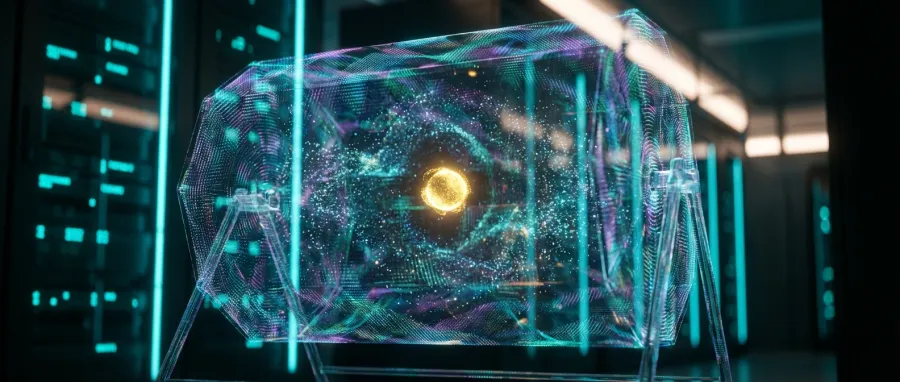
We are also seeing a merger between randomness and AI. Marketers are looking for a random drawing generator that can filter out bots before the pick happens. This ensures that the random drawing generator only selects from a pool of genuine, high-value human participants, maximizing the return on investment.
"The transition from 'trust us' to 'verify us' has made the random drawing generator one of the most critical links in the digital trust chain."
Software developers are also feeling the heat. Building a random drawing generator that scales to millions of entries without crashing or slowing down is a non-trivial engineering feat. It requires sophisticated load balancing and high-performance database indexing to keep the process snappy and responsive.
The enterprise sector is now looking at these tools for internal use. Human Resources departments are utilizing a random drawing generator for performance rewards and internal surveys. By removing human bias from the selection process, companies can improve morale and ensure that opportunities are distributed equitably across the organization.
Finally, the rise of the creator economy has put these tools in the hands of millions. Every YouTuber and Twitch streamer needs a reliable random drawing generator to manage their community interactions. This democratization of the tech has led to a boom in easy-to-use, browser-based tools that handle everything from Discord raffles to Instagram giveaways.
Real-World Use Cases for the random drawing generator
The versatility of a random drawing generator extends far beyond simple raffles. In the world of game development, these systems are used to determine "loot drops." Every time you open a digital treasure chest, a random drawing generator is working behind the scenes to decide your reward based on weighted probabilities.
In the field of scientific research, a random drawing generator is essential for creating unbiased sample groups. Researchers use these tools to assign participants to control or experimental groups. This ensures that the results of clinical trials are statistically significant and free from subconscious human interference.
The tech industry uses a random drawing generator for "A/B testing." When a company like Facebook or Google wants to test a new feature, they use a random drawing generator to decide which subset of users sees the new design. This data-driven approach allows for precise measurement of user behavior.
Security is another major use case. A cryptographic random drawing generator is used to create secure keys and passwords. Without high-quality entropy, these keys would be predictable, leaving systems vulnerable to hackers. In this context, the random drawing generator is a fundamental pillar of modern cybersecurity.
How AI and API Integration Enhance the random drawing generator
Modern developers are now integrating these tools with advanced machine learning models. For instance, you can explore AI-powered image and video creation to generate unique visual rewards for winners. By combining a random drawing generator with generative models, brands can offer one-of-a-kind digital assets as prizes.
Using an API to connect your drawing system to a larger ecosystem is becoming standard practice. For example, developers can get started with the GPT-4o API to create conversational bots that manage the entire raffle process. This allows for a more interactive and engaging user experience than a static web page.
Many platforms now offer a unified solution where you can explore all available AI models to help analyze the pool of entries. By using an AI layer on top of a random drawing generator, businesses can detect fraudulent patterns or duplicate entries that might skew the results.
Furthermore, managing the costs of these complex systems is easier with flexible pay-as-you-go pricing. This allows even small creators to access professional-grade tools without a massive upfront investment. The combination of an API and a random drawing generator makes high-tier tech accessible to everyone.
| Industry |
Application of random drawing generator |
Primary Benefit |
| E-commerce |
Flash sales and limited drops |
Reduced site traffic surges |
| Healthcare |
Randomized clinical trials |
Unbiased data collection |
| Gaming |
Procedural world generation |
Infinite replayability |
| Finance |
Audit sampling and fraud detection |
Regulatory compliance |
In the non-profit sector, a random drawing generator helps in the fair distribution of limited resources. Whether it is affordable housing lotteries or charter school admissions, these tools ensure that every applicant has an equal chance. This use case highlights the social importance of algorithmic fairness.
Supply chain management also benefits from this technology. Companies use a random drawing generator to select batches of products for quality control inspections. This random sampling provides a statistically accurate picture of the overall production quality without needing to check every single item.
Even in creative writing, authors use a random drawing generator to break through "writer's block." They might use it to pick a random character trait or a plot twist from a pre-defined list. This injection of randomness can lead to unexpected and innovative storytelling paths.
Finally, we are seeing the rise of "fair-launch" tokens in the crypto space. These projects use a random drawing generator to ensure that early investors can't "snipe" all the tokens. By randomizing the whitelist selection or the purchase order, the project ensures a more decentralized distribution.
Challenges and Limitations of the random drawing generator
Despite their utility, these tools are not perfect. One of the biggest challenges is the concept of "pseudo-randomness." Most computer programs use a deterministic algorithm to function as a random drawing generator. This means that if you know the starting "seed," you can predict the entire sequence of numbers.
For casual use, pseudo-randomness is fine. However, in high-stakes environments like gambling or cryptography, it's a major vulnerability. A sophisticated attacker could potentially reverse-engineer the random drawing generator to predict the winning outcome. This has led to the development of hardware-based entropy sources to feed the algorithms.
Another limitation is the "black box" problem. Many users don't understand how a random drawing generator works. This lack of literacy can lead to accusations of bias, even when the system is perfectly fair. Explaining complex probability to a frustrated loser is a difficult PR challenge for any company.
Technical bottlenecks also exist. When a random drawing generator needs to pick from a list of millions of entries, the memory and processing power required can be significant. If the code isn't optimized, the system might hang or produce duplicate results, which undermines the entire purpose of the draw.
- Predictability of PRNG (Pseudo-Random Number Generators)
- High computational cost for massive entry pools
- Difficulty in verifying the source of entropy
- User distrust due to a lack of technical transparency
Ethical concerns are also coming to the forefront. If a random drawing generator is used for hiring or resource allocation, we must ensure the underlying code doesn't have "encoded bias." For example, if the pool itself is skewed, the random drawing generator will simply reflect that original inequality.
Adoption barriers are another hurdle. Many legacy businesses are still stuck using manual spreadsheets or physical bowls. Convincing these organizations to switch to a digital random drawing generator requires a high level of trust in the technology. They worry about "glitches" that could ruin their reputation.
There is also the issue of "botting." In any popular online giveaway, malicious actors will use scripts to enter thousands of times. If the random drawing generator doesn't have integrated bot protection, the results will be technically random but practically unfair. This adds another layer of complexity to the development.
Legal compliance is a moving target. Different countries have different rules about what constitutes "gambling" versus a "sweepstakes." A random drawing generator must be configured differently depending on where the participants are located. This geographical complexity makes it hard to build a one-size-fits-all global solution.
"True randomness is an elusive beast in a world built on the logic of 1s and 0s."
The cost of "True" randomness is also a factor. Using a hardware-based random drawing generator or a specialized AI API can be expensive. For small businesses, this cost might be prohibitive, leading them to use inferior tools that might not be as secure or as fair as they need.
Data privacy is another growing concern. To use a random drawing generator, you often need to feed it personal information like email addresses or phone numbers. Ensuring that this data is handled securely and deleted after the draw is a significant administrative burden in the age of GDPR.
Finally, there is the "human element." Sometimes, a person might manually override the results of a random drawing generator for "strategic" reasons. This manual intervention, if discovered, can be devastating to a brand's credibility. The tool is only as honest as the person pressing the "Go" button.
Performance and Data Comparisons for the random drawing generator
When evaluating a random drawing generator, we need to look at the hard numbers. Performance is usually measured in "throughput" — how many items can the system shuffle and pick per second? High-performance systems can handle over 100,000 operations per second, making them suitable for global-scale events.
Latency is another critical metric. If you are using an API to call a remote random drawing generator, you need to account for network delay. In a real-time gaming scenario, even a 100ms delay can be noticeable. Developers often choose local libraries for speed while sacrificing some of the "true" randomness of remote services.
Cost efficiency is where the debate gets interesting. A simple JavaScript-based random drawing generator costs virtually nothing to run. However, a blockchain-based oracle that provides a verifiable random draw might cost several dollars per transaction. Businesses must weigh the cost against the level of trust required for the event.
Entropy quality is the most technical metric. This is often measured using the "NIST Statistical Test Suite." A high-quality random drawing generator will pass all these tests, proving that its output is indistinguishable from true noise. Low-quality generators will show patterns over long periods, making them unsuitable for secure applications.
| Generator Type |
Throughput (Entries/sec) |
Verification Method |
Typical Use Case |
| Standard PRNG (Math.random) |
1,000,000+ |
None (Code review) |
Basic web UI effects |
| AI-Enhanced API |
10,000+ |
Audit logs & AI analysis |
Corporate giveaways |
| Blockchain Oracle (VRF) |
10-100 |
On-chain cryptographic proof |
NFTs and DeFi |
| Quantum RNG |
1,000+ |
Physical property laws |
High-security encryption |
As shown in the table, there is a clear trade-off between speed and verifiability. Most commercial applications find their "sweet spot" with an AI-integrated API. This provides a balance of high performance, low cost, and a level of sophisticated analysis that a basic script simply cannot match.
We should also consider the "reproducibility" factor. In a debugging or auditing scenario, it is actually helpful if a random drawing generator can reproduce the same results given the same seed. This is why many professional tools offer a "fixed-seed" mode for testing and a "dynamic-seed" mode for live use.
Energy consumption is becoming a talking point too. While a single draw is negligible, running a high-frequency random drawing generator for billions of simulations (like in Monte Carlo analysis) can consume significant server resources. Efficient algorithms are not just faster; they are more sustainable in the long run.
The reliability of the random drawing generator's uptime is also paramount. If a system goes down during a live-streamed giveaway, the result is chaos. This is why many enterprise-grade solutions use redundant servers across multiple geographic regions to ensure the draw can always take place as scheduled.
Optimizing Your random drawing generator for Global Scale
Scaling a random drawing generator requires moving beyond simple arrays. If you have 50 million entries, you can't just load them all into the server's RAM. Instead, you use "reservoir sampling" or other advanced algorithms that allow you to pick a random subset without knowing the full list size beforehand.
Security measures also impact performance. Adding a "hash-based" verification step to your random drawing generator ensures that the list of participants wasn't tampered with mid-draw. While this adds a few milliseconds of processing time, the gain in security and trust is worth the trade-off.
User-side performance is also key. A heavy random drawing generator script can freeze a user's browser if not handled properly. Using "Web Workers" allows the heavy math to happen in the background, keeping the user interface smooth and responsive during the excitement of the draw.
Finally, API-based solutions are often more performant because they offload the heavy lifting. By sending the entry list to a specialized cloud service, the local application remains light. This "headless" approach to the random drawing generator is becoming the standard for modern, mobile-first web applications.
Community and Developer Feedback on the random drawing generator
If you head over to Reddit or Hacker News, the consensus on the random drawing generator is clear: "Don't roll your own crypto." Developers are constantly warned against trying to build their own randomness from scratch. They are encouraged to use battle-tested libraries and external services instead.
On X (formerly Twitter), the conversation is often driven by marketing professionals and NFT enthusiasts. They frequently share stories of "failed" giveaways where the random drawing generator was clearly biased or manipulated. These threads serve as a cautionary tale for anyone trying to take shortcuts with their selection process.
The open-source community on GitHub is incredibly active in this space. There are thousands of repositories dedicated to creating the "perfect" random drawing generator. This peer-review process has led to the discovery of bugs in widely used libraries, making the entire ecosystem more robust and secure for everyone.
User feedback on review platforms often centers on ease of use. People love a random drawing generator that allows them to paste a list from Excel or connect directly to their social media accounts. The technical "randomness" is often assumed; what people actually pay for is the convenience and the UI.
- Strong preference for open-source and audited code
- Heavy criticism of "black box" generators on gambling sites
- Appreciation for tools that offer visual "proof of fair"
- Demands for better anti-bot measures in popular tools
One common complaint in the developer community is the lack of "good seeds." Many systems use the current system time as a seed for their random drawing generator. However, this is predictable if an attacker knows exactly when the draw took place. Pros advocate for more diverse entropy sources.
There is also a growing movement for "decentralized" drawing. Some developers are building a random drawing generator that runs on smart contracts. This allows anyone in the community to verify the code and the outcome independently. While currently niche, this trend is gaining momentum in tech-forward circles.
Creators on platforms like YouTube often discuss the "vibe" of different tools. They prefer a random drawing generator that has "suspense" built-in, like a spinning wheel or a countdown timer. This shows that the social and entertainment value of these tools is just as important as the underlying math.
Interestingly, some users are skeptical of "too much" randomness. In gaming, developers often use "pseudo-random distribution" (PRD) to ensure that players don't go too long without a win. If a random drawing generator was truly random, someone could lose 100 times in a row, which is statistically possible but feels unfair.
"The best random drawing generator is the one that people actually trust, regardless of whether the math is 100% perfect or just 99.9%."
In the academic world, the discussion focuses on "randomness extractors." These are tools designed to take a "slightly random" source and turn it into a high-quality random drawing generator. This research is vital for the future of cryptography and high-level physics simulations.
The general public's feedback is simpler: they just want to know they didn't get cheated. Whenever a major brand announces a winner, the comments section is filled with people checking the "proof." This high level of engagement shows that the random drawing generator is now a public-facing part of a brand's identity.
Finally, the "API-first" approach is winning the hearts of developers. Being able to integrate a random drawing generator into an existing workflow with just a few lines of code is a game-changer. It allows them to focus on the unique parts of their app while leaving the math to the experts.
A Forward-Looking Summary of the random drawing generator
So, where is the random drawing generator headed? The most significant trend is the move toward "verifiable randomness." We will soon reach a point where every digital draw will come with a cryptographic certificate that anyone can verify with a single click. This will be the end of the "rigged" giveaway era.
AI will also play a massive role. We can expect to see a random drawing generator that can automatically detect and disqualify fraudulent entries based on behavior patterns. This will make giveaways more equitable by ensuring that prizes only go to real, engaged members of a community.
The integration with emerging technologies like the Metaverse is also inevitable. Imagine a random drawing generator that happens inside a 3D virtual space, where the "draw" is a physical event like a digital ball falling through a Plinko board. This adds a new layer of immersion and excitement to the process.
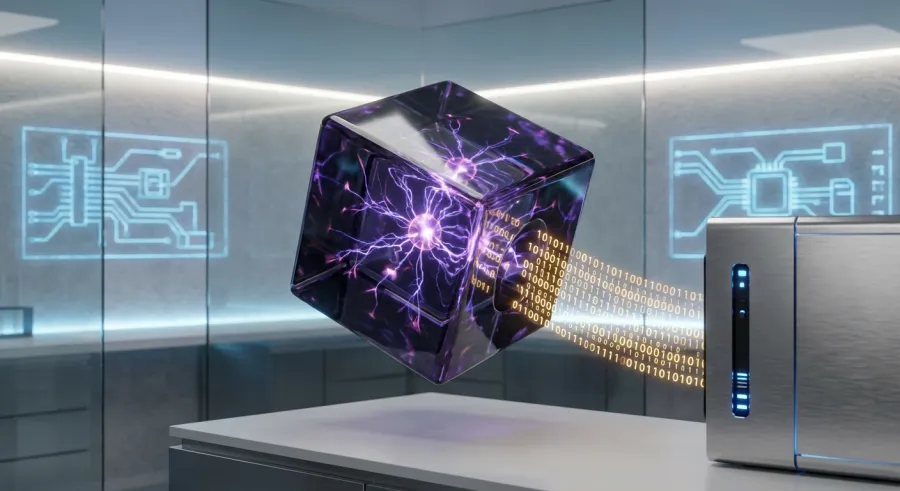
Quantum computing is the wild card. While it poses a threat to current encryption, it also provides a source of "perfect" randomness. A quantum-powered random drawing generator would be fundamentally unpredictable by the laws of physics, representing the ultimate peak of this technology's development.
- Widespread adoption of "Proof of Fair" certificates
- AI-driven bot detection as a standard feature
- Blockchain integration for immutable drawing logs
- Virtual Reality (VR) visualization of the drawing process
We are also likely to see more "purpose-built" tools. Instead of a general-purpose random drawing generator, we will have specialized versions for different industries. A medical-grade generator will prioritize data privacy, while a gaming-grade one will prioritize low-latency and "fun" visualizations.
The democratization of these tools will continue. As API costs drop and ease-of-use increases, even the smallest local business will be able to run professional-grade promotions. The random drawing generator will become as common and easy to use as a digital calendar or an email newsletter.
Regulation will likely catch up as well. Governments may start requiring certain "trust levels" for a random drawing generator used in commercial activities. This could lead to a certification industry, where tools are officially "stamped" as fair by regulatory bodies, similar to how casino equipment is managed today.
As we look ahead, the boundary between "picking" and "creating" will blur. A random drawing generator might not just pick a winner from a list; it might generate a unique, AI-created prize specifically for that winner on the fly. This personalization will make the experience of winning even more special.
"In the future, randomness won't just be about chance; it will be a curated, verified, and highly entertaining experience."
The reliance on a unified API will only grow. Developers will continue to seek out platforms that allow them to browse various AI models to power their drawing logic. The flexibility of these systems ensures they can evolve as quickly as the needs of the market change.
The focus on "human-centric" randomness will also increase. This means designing a random drawing generator that understands the context of the draw. It's not just about numbers; it's about the fairness of the outcome in a way that people can intuitively understand and accept.
Ultimately, the random drawing generator is moving from the background of our digital lives to the foreground. It is becoming a symbol of a fair and transparent internet. Whether you are a developer, a marketer, or just a hopeful participant, these tools are shaping the way we interact with the digital world.
Written by: GPT Proto
"Unlock the world's leading AI models with GPT Proto's unified API platform."