


Reliable AI JSON Outputs
Achieve 100% reliability in matching your JSON schemas. This AI uses constrained decoding to ensure structured AI data is always valid.

file
text
File Analysis
curl --request POST "https://gptproto.com/v1/responses" \
  --header "Authorization: Bearer $GPTPROTO_API_KEY" \
  --header "Content-Type: application/json" \
  --data '{
    "model": "gpt-5-mini",
    "input": [
      {
        "role": "user",
        "content": [
          {
            "type": "input_text",
            "text": "what is in this file?"
          },
          {
            "type": "input_file",
            "file_url": "https://tos.gptproto.com/resource/gptproto.pdf"
          }
        ]
      }
    ]
}'Experience the next generation of efficient intelligence. AI GPT 5 Mini combines high-speed AI performance with reliable multimodal AI capabilities for demanding enterprise workloads.
Achieve 100% reliability in matching your JSON schemas. This AI uses constrained decoding to ensure structured AI data is always valid.
Process massive datasets with ease. This AI maintains >99% retrieval accuracy across its entire context window for complex AI RAG tasks.

Analyze images and audio natively. This AI provides enhanced spatial reasoning and emotional detection for a more immersive AI experience.

Optimized for speed, this AI achieves TTFT under 200ms, making it the perfect choice for real-time chat and interactive AI applications.

Getting a gpt-5-mini API key takes four steps and a few minutes. Create a free GPTProto account, add credits, generate your key, and make your first call — at $0.175 / $1.4 it's a cheaper gpt-5-mini API key than going direct, and one key works across every model on the platform. Full gpt-5-mini Documentation is in the docs.

Sign up
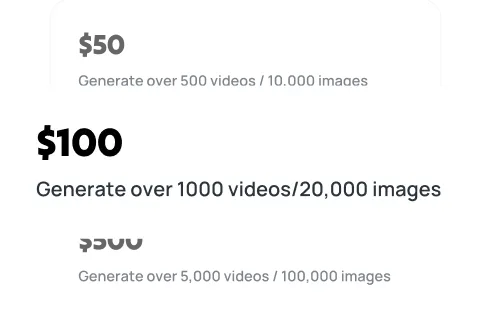
Top up
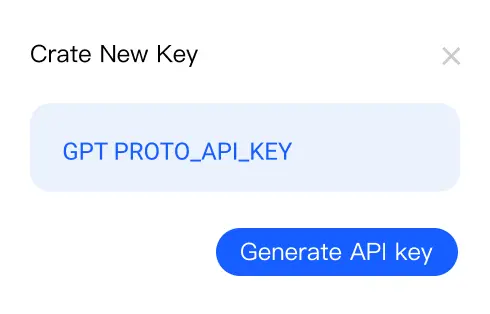
Generate your API key
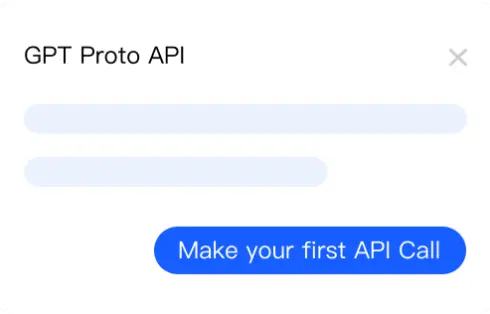
Make your first API call
Find answers about the AI GPT 5 Mini. Learn how this AI model improves latency, reduces costs, and handles complex multimodal tasks for your production AI applications.
Can't access ChatGPT 5? Learn why ChatGPT 5 not showing up happens and get simple fixes for web, mobile, and API users.

Explore how GPT-5.3 Codex and the new Codex app are transforming the coding landscape with recursive intelligence and multi-tasking agentic capabilities. Learn how to optimize costs and leverage multi-modal workflows for maximum developer productivity in the new era of AI.

GPT-5.3-Codex delivers massive performance gains and recursive self-improvement for developers. Discover how this model changes the AI landscape today.
Compare GPT 5.2 and Gemini 3 models. Learn their capabilities, pricing, and which AI is best for your needs. Detailed feature comparison inside.