


Enhanced ai gpt 4.1 Coding
Experience a 15% reduction in lazy coding compared to previous versions. The gpt 4.1 model provides complete logic blocks rather than placeholders for developers.

file
text
File Analysis
curl --request POST "https://gptproto.com/v1/responses" \
  --header "Authorization: Bearer $GPTPROTO_API_KEY" \
  --header "Content-Type: application/json" \
  --data '{
    "model": "gpt-4.1",
    "input": [
      {
        "role": "user",
        "content": [
          {
            "type": "input_text",
            "text": "what is in this file?"
          },
          {
            "type": "input_file",
            "file_url": "https://tos.gptproto.com/resource/gptproto.pdf"
          }
        ]
      }
    ]
}'Discover the core strengths of the gpt 4.1 model, from its native structured outputs to its enhanced coding logic and sub-second latency for real-time apps.
Experience a 15% reduction in lazy coding compared to previous versions. The gpt 4.1 model provides complete logic blocks rather than placeholders for developers.
Process mixed streams of text and images natively. The gpt 4.1 model excels at complex visual reasoning and document analysis within a single interaction.
Optimized for sub-second TTFT, this gpt 4.1 model maintains low latency even during high concurrency, perfect for real-time voice and chat applications.

Achieve 100% reliability on JSON Schema adherence with strict mode. This gpt 4.1 feature eliminates the need for retry logic in automated data pipelines.

Getting a gpt-4.1 API key takes four steps and a few minutes. Create a free GPTProto account, add credits, generate your key, and make your first call — at $1.4 / $5.6 it's a cheaper gpt-4.1 API key than going direct, and one key works across every model on the platform. Full gpt-4.1 Documentation is in the docs.

Sign up
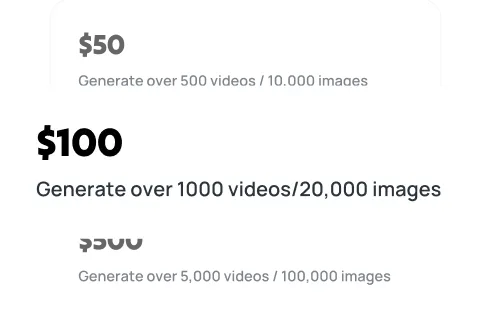
Top up
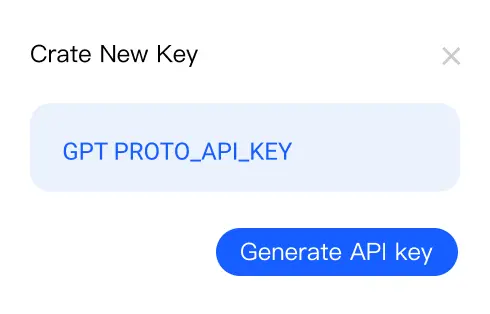
Generate your API key
Make your first API call
Get technical insights into the ai gpt 4.1 model, including migration steps, security protocols, and performance advantages of using this gpt version on our platform.

GPT-5.4 is OpenAI's latest AI model, combining advanced reasoning, coding, and built-in Computer Use in one. Learn what's new, how it compares to GPT-5.2, and how to access it affordably via GPT Proto.

GPT-5.3-Codex delivers massive performance gains and recursive self-improvement for developers. Discover how this model changes the AI landscape today.

Explore how GPT-5.3 Codex and the new Codex app are transforming the coding landscape with recursive intelligence and multi-tasking agentic capabilities. Learn how to optimize costs and leverage multi-modal workflows for maximum developer productivity in the new era of AI.
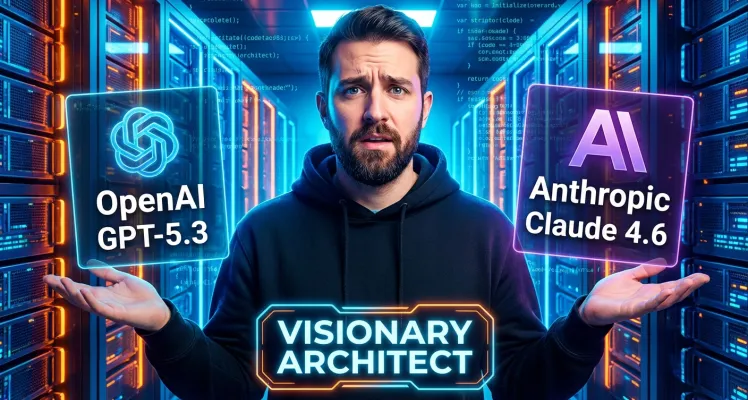
Discover how OpenAI and Anthropic redefined AI Coding on February 5, 2026. Explore the recursive power of GPT-5.3 and the multi-agent collaboration of Claude 4.6, and learn how these tools are automating software development for enterprises globally.