GPT-4.1 Mini API: Reliable High-Speed Performance and Affordable Pricing
Building modern applications requires balancing intelligence with infrastructure costs. By leveraging the GPT-4.1 Mini model at GPTProto.com, developers access a streamlined version of the GPT-4 series optimized for speed and specific technical workflows.
GPT 4.1 Mini Efficiency in Production Workflows
Efficiency isn't just about speed; it's about matching the model to the task. GPT-4.1 Mini serves as the workhorse for high-volume operations where millisecond latency matters more than multi-step philosophical reasoning. In production environments, using GPT-4.1 Mini for text summaries and proofreading saves significant compute resources compared to its larger counterparts. Many teams find that the GPT 4.1 Mini model handles everyday tasks—like short calculations and quick suggestions—with the same accuracy as larger versions but at a fraction of the cost.
For developers monitoring performance, the GPTProto API usage dashboard provides real-time insights into token consumption. This visibility is crucial when deploying GPT 4.1 Mini for large-scale data processing or real-time assistant features where cost-per-request is a primary KPI.
Why Developers Choose GPT-4.1 Mini for Function Calling Tasks
One surprising technical advantage discovered by the community involves tool use. Many users report that GPT-4.1 Mini shows better function calling capabilities than the standard GPT-4.1. This precision makes the GPT Mini api ideal for acting as a controller within complex software ecosystems. When a system needs to parse user intent and trigger specific code functions, the GPT 4.1 Mini model provides stable, reliable responses that adhere strictly to defined schemas.
GPT-4.1 Mini represents a pivot toward utility-focused AI. It doesn't try to solve the world's most complex riddles; instead, it perfects the high-frequency tasks that actually power modern software agents.
GPT 4.1 Mini Integration for Knowledge Sub-Agents
Architecture patterns are shifting toward multi-model systems. A popular strategy involves running multiple GPT 4.1 Mini sub-agents in parallel to perform knowledge searches or document analysis. Once these Mini model instances gather the raw data, a more powerful model synthesizes the final output. This tiered approach optimizes both speed and accuracy. You can read the full API documentation to learn how to structure these parallel calls effectively using our infrastructure.
Managing GPT Mini Model Latency and Throughput
Latency is the enemy of a good user experience. The GPT 4.1 Mini model is designed for high-throughput scenarios, making it the go-to choice for chatbots and real-time editors. Unlike larger models that may experience 'jitter' during peak loads, GPT-4.1 Mini maintains consistent response times. This stability allows developers to build responsive interfaces that feel instantaneous to the end-user.
GPT Mini vs Larger Models: Balancing Speed and Cost
Choosing the right tier involves looking at the numbers. While models like GPT-5.4 Mini offer newer features, GPT-4.1 Mini remains a stable choice for those who need a proven track record. The Mini pricing structure is significantly lower than the standard GPT-4.1, which often charges $2 per million input tokens. Transitioning to GPT 4.1 Mini pricing allows for a much more aggressive scaling strategy.
| Feature | GPT-4.1 Mini | GPT-4.1 Standard | GPT-5.4 Mini |
|---|---|---|---|
| Primary Strength | Efficiency/Speed | Deep Reasoning | Multimodal/Newer |
| Function Calling | High Accuracy | Standard | Superior |
| Cost Efficiency | Very High | Medium | High |
| Typical Use Case | Sub-agents | Complex Logic | Modern Dev |
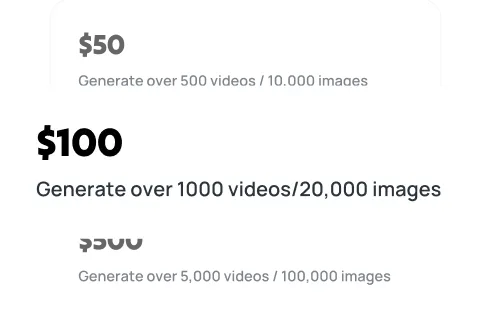
To start scaling your application, you can manage your API billing and set up a pay-as-you-go plan that fits your specific traffic patterns. This flexibility ensures you only pay for the Mini model resources you actually consume.
Addressing GPT-4.1 Mini Limitations and Guardrails
No model is perfect. Some users have noted that GPT-4.1 Mini can be verbose or occasionally ignore specific negative constraints in instructions. Understanding these quirks is key to effective prompting. When using the GPT 4.1 Mini api, it's often better to provide positive examples of desired output rather than a long list of things not to do. If you find the model getting too chatty, adjusting the system prompt for brevity usually resolves the issue. For more tips on prompt engineering, check out the GPTProto tech blog for deep-dive tutorials.
Stability and Access with GPTProto
At GPTProto, we ensure that your GPT 4.1 Mini integration remains stable even as the AI industry evolves. We offer a 'No Credits' system—simply top up your balance and use it as needed with no expiration pressure. This makes GPT-4.1 Mini a reliable choice for long-term projects. As older models face retirement, we provide clear paths to transition to newer versions like GPT-5.4 Mini, ensuring your production environment never goes dark. Stay updated on the latest shifts by visiting our AI news and trends section.