On December 3, 2025, Kuaishou's AI video platform Kling released version 2.6, marking a milestone just two days after launching Kling O1 on December 1. This rapid succession demonstrates the company's aggressive push in AI video generation. While Kling O1 positioned itself as a unified multimodal creation tool, Kling 2.6 takes a different approach by specializing in synchronized audio-visual generation, allowing creators to produce complete videos with visuals, dialogue, sound effects, and ambient audio in one unified process.
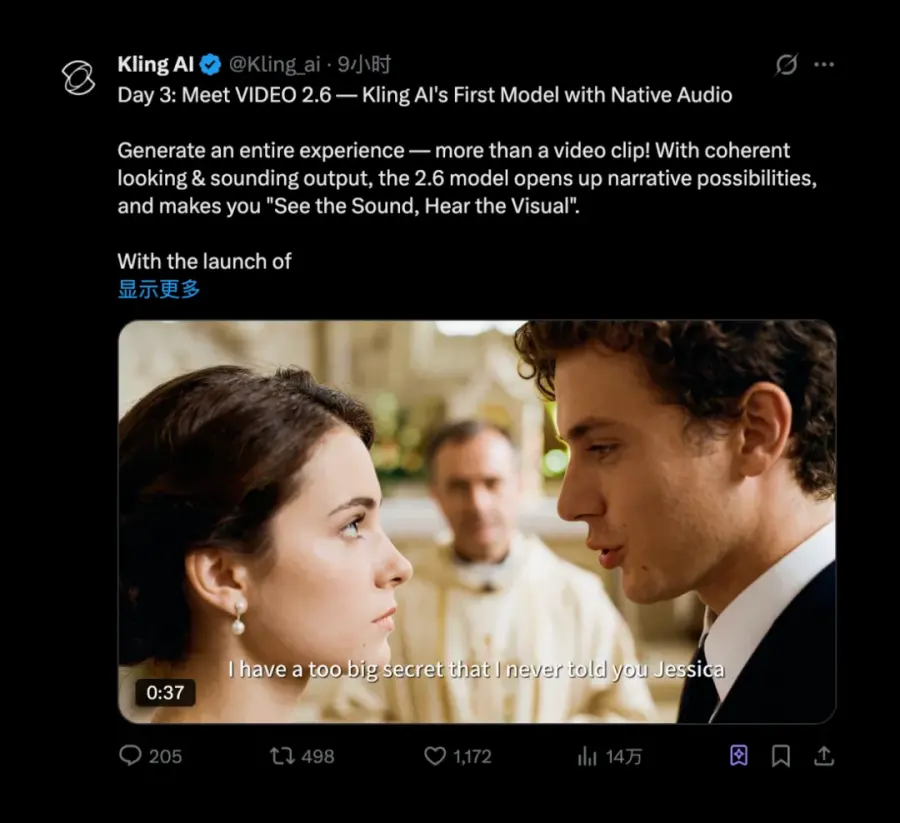
This release addresses the biggest pain point in AI video generation: the tedious process of adding audio after creating visuals. Traditional workflows require creators to generate silent videos, then spend hours adding voiceovers, sound effects, and background audio separately. Kling 2.6 eliminates this entirely by generating everything simultaneously.
Key points in this article:
-
The key differences between Kling 2.6 and Kling O1
-
How Kling 2.6 differs from previous AI video models
-
Five audio capabilities that transform content creation
-
Detailed examples with prompts for different use cases
-
Comparison with competing platforms like Veo and Sora
-
How GPT Proto will provide access to Kling 2.6 in the near future
-
Practical questions about implementation and pricing
What is Kling 2.6
Evolution from Previous Versions
The Kling model family has evolved rapidly since early 2023, with each version addressing specific creator needs and expanding capabilities while maintaining cinematic quality.
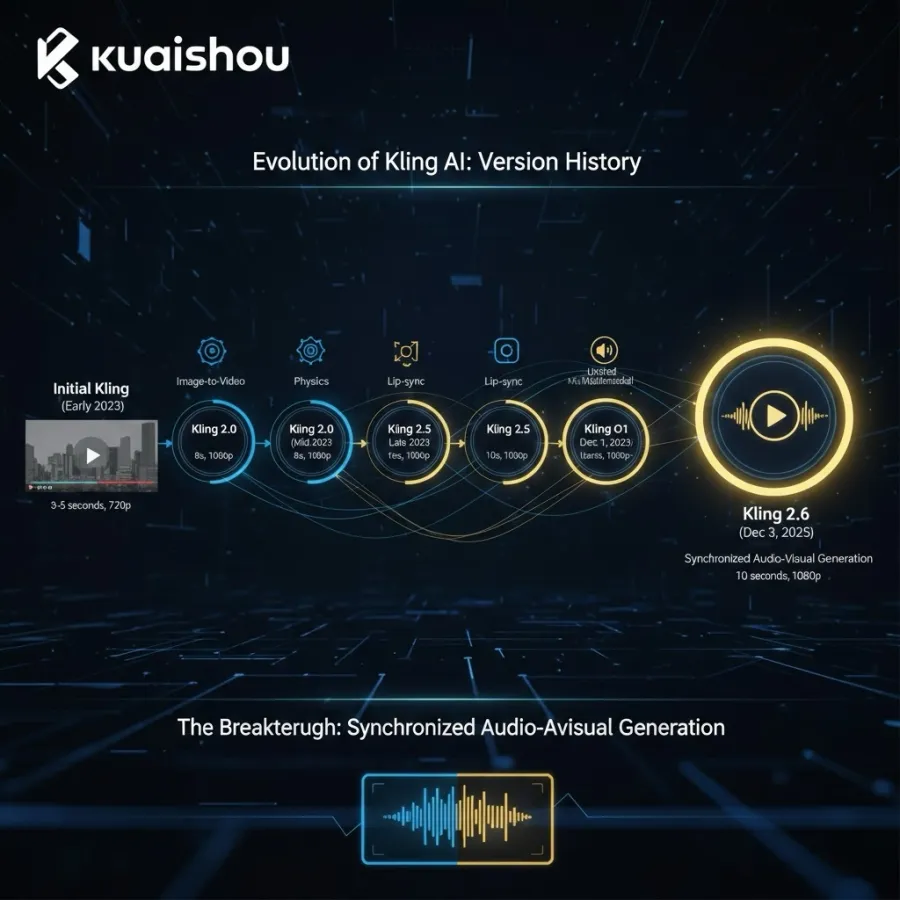
Version History:
| Version |
Release Date |
Key Features |
Duration |
Resolution |
| Initial Kling |
Early 2023 |
Basic text-to-video |
3-5 seconds |
720p |
| Kling 2.0 |
Mid 2023 |
Image-to-video, style customization |
8 seconds |
1080p |
| Kling 2.3 |
Late 2023 |
Enhanced physics, video extension |
8 seconds |
1080p |
| Kling 2.5 |
Early 2024 |
Lip-sync technology, scene coherence |
10 seconds |
1080p |
| Kling o1 |
Dec 1, 2025 |
Unified multimodal creation platform |
Varies |
1080p+ |
| Kling 2.6 |
Dec 3, 2025 |
Synchronized audio-visual generation |
10 seconds |
1080p |
The Breakthrough: Synchronized Audio-Visual Generation
Kling 2.6 represents a fundamental shift by treating audio and visuals as integrated components rather than separate elements. The model generates both simultaneously, ensuring natural synchronization impossible to achieve through post-production.
The technical achievement centers on understanding both what should be seen and heard, then producing both in harmony. When a glass breaks, the shattering sound occurs at the exact moment of impact. When characters speak, lip movements match the phonemes being generated. When rain falls, ambient sound intensity corresponds to visual rainfall density.
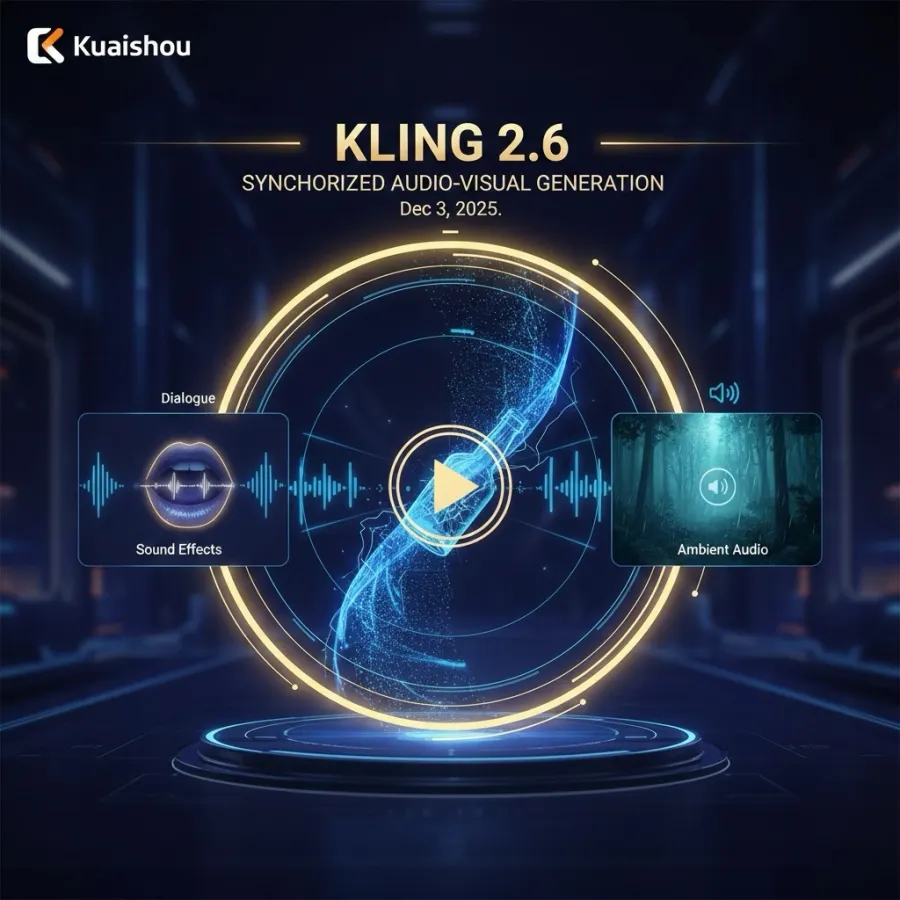
Kling 2.6 Core Capabilities and Features
Dual Generation Modes:
-
Text-to-Audio-Visual: Input natural language descriptions to produce complete videos with matching audio
-
Image-to-Audio-Visual: Animate static images with appropriate sound, transforming photos into dynamic scenes
Five Audio Scenario Types:
-
Single-Person Dialogue: Product demonstrations, storytelling, news reporting with natural on-camera presentation
-
Voiceover Narration: Sports coverage, documentaries, product explanations with off-screen audio
-
Multi-Person Conversations: Two or more characters with natural voice switching for interviews and dramatic scenes
-
Musical Performance: Rap, singing, group vocals with rhythm-synchronized camera movement
-
Creative Scenarios: ASMR and special effects content with precise sound rendering
Technical Specifications:
-
Language support: Chinese and English only (other languages auto-translated to English)
-
Duration range: 5-10 seconds (10 seconds recommended for dialogue)
-
Camera control: Maintains sophisticated movement including dolly zooms, tracking shots, and rapid arcs
-
Lip-sync accuracy: High precision with standard pronunciation
Kling 2.6 Strengths and Limitations
Advantages:
-
Complete elimination of audio post-production workflow
-
Natural lip synchronization generated as part of video creation
-
Maintains cinematic camera control from previous versions
-
Strong prompt adherence for both visual and audio elements
-
Significantly reduced production time
-
Lower barrier to entry for creators without audio editing experience
Current Limitations:
-
Maximum 10-second duration requiring extension for longer content
-
Language support restricted to Chinese and English
-
Audio quality varies based on accent clarity
-
Higher credit consumption for detailed prompts
Kling 2.6 vs Kling O1: Understanding the Difference
Two Models, Two Distinct Approaches
Released just two days apart, Kling O1 and Kling 2.6 serve different creator needs despite both being cutting-edge releases. Understanding their differences helps creators choose the right tool for specific projects.
Kling O1 focuses on being a unified multimodal creation platform that integrates multiple content generation capabilities into one comprehensive system. It emphasizes versatility and workflow integration across different content types, positioning itself as an all-in-one creative suite for professional production pipelines.
Kling 2.6 specializes specifically in synchronized audio-visual video generation, perfecting the ability to create complete videos where sound and vision are generated together from the start. It prioritizes depth over breadth, focusing exclusively on making video creation with native audio as seamless as possible.
Key Differences Comparison
| Aspect |
Kling O1 |
Kling 2.6 |
| Primary Focus |
Unified multimodal platform |
Specialized audio-visual video generation |
| Core Strength |
Integration across content types |
Native synchronized audio generation |
| Audio Capability |
Multimodal audio tools |
Five specialized audio scenario types |
| Ideal Use Case |
Complex multi-stage productions |
Quick, complete video creation |
| Workflow Design |
Professional pipeline integration |
Single-step generation to finished output |
| Target Audience |
Professional studios and agencies |
Content creators and short-form producers |
| Generation Philosophy |
Modular multimodal approach |
Unified audio-visual synthesis |
Which Model Should You Choose?
Choose Kling O1 if you need:
-
Integrated workflow across multiple content formats
-
Professional production pipeline compatibility
-
Flexibility to work with different modalities separately
-
Complex multi-stage project management
Choose Kling 2.6 if you need:
-
Fast turnaround from concept to finished video
-
Native audio-visual synchronization
-
Short-form video content for social media
-
Simplified workflow without post-production audio editing
Both models represent Kuaishou's strategy to serve different segments of the creator market, with O1 targeting professional productions and 2.6 focusing on accessible, efficient video creation.
Kling 2.6 Practical Examples with Prompts
Example 1: High-Intensity Rap Performance
Rap presents significant challenges due to rapid speech and complex rhythm. Previous models struggled with lip movements that couldn't keep pace with fast delivery.
Prompt Concept: Outdoor street scene under strong sunlight. Woman in sunglasses approaching camera with confident attitude, hand gestures throwing rhythm upward, tapping knuckles for beat, freestyle movements. Camera creates slight blur on approach with rapid cuts between angles. Audio features strong drum beats and deep bass. Character raps: "Step back, I'm the fire you can't deny. Heat rise, I burn brighter than the whole sky."
Result: Successful synchronization maintained despite fast-paced dialogue, complex camera movement, and dynamic gestures occurring simultaneously.
Example 2: Anthropomorphic Animal Performance
Talking animals typically fall into the uncanny valley with mechanical mouth movements. Kling 2.6 treats animal characters with the same attention to expression and timing as human subjects.
Prompt Concept: Cartoon-style animal tavern stage with warm lighting. Pig wearing red bandana with expressive eyes and human-like personality. Close camera as pig takes deep breath, raises chin, shows serious expression. Front hoof rises slightly while speaking, tapping air like emphasizing points. Pig announces in mayor-style tone: "Dear animal citizens, attention please! After careful consideration, I have decided that today is the city-wide holiday celebration day!"
Result: Natural character performance with personality and emotional range while maintaining believable audio-visual synchronization.
Example 3: Long Dialogue with Nuanced Performance
Extended dialogue tests whether the model maintains consistent character performance, emotional progression, and natural pacing across longer timeframes.
Prompt Concept: European tea party setting with golden soft light. Noble girl with gold curled hair elegantly holding steaming teacup. Camera slowly pushes from steam to her face. She tilts head, raises eyebrow, reveals polite but sharp smile while speaking with gentle sarcasm: "Oh darling, in this house, we sip tea with grace. We keep our voices soft, our posture perfect, and of course, we never, ever show how we really feel. Isn't that what makes us civilized?"
Pro Tip: Use ellipses (...) and punctuation marks in dialogue sections. The model recognizes these symbols and automatically generates speaking pauses and breath moments, making long dialogue sound like natural human speech.
Example 4: Multi-Person Confrontation in Extreme Environment
This scenario tests complex audio layering: heavy rain, thunder, emotional shouting from two different voices, and maintaining clarity despite overwhelming ambient noise.
Prompt Concept: Dark forest path in torrential downpour with cold blue lighting. Man stands in foreground soaked and trembling. Woman stands behind, equally shaken. Camera rapidly zooms to man shouting hoarsely: "I can't take it anymore! I'm breaking down!" Camera pans to woman questioning sharply: "Why didn't you tell me sooner?! How could I have helped you?!" Audio dominated by deafening rain with no background music.
Result: Successfully differentiates between two distinct voices, maintains emotional intensity, and keeps dialogue intelligible despite overwhelming environmental audio.
Example 5: E-Commerce Product Demonstration
Product videos require clear narration combined with ambient sounds, making them ideal for synchronized generation without traditional production costs.
Prompt Concept: Young woman in yoga clothes walks to juicer and presses power button. Machine starts, mango chunks rotate and blend into smooth smoothie. Young energetic voice says: "Good morning, ten-second fresh juice, pack an entire tropical orchard in your bag." After speaking, she walks away and camera focuses on juicer.
Result: Demonstrates commercial viability for brands to generate product demonstrations without hiring talent or renting studios.
Example 6: Culinary Content with Layered Audio
Food content depends heavily on sound to convey appeal. The sizzle, clanging, and roaring flames create sensory richness that makes viewers hungry.
Prompt Concept: Professional Chinese kitchen with powerful stove shooting bright flames. Chef grips iron wok, quickly stir-frying ingredients over high heat. At moment flames leap, chef raises wrist completing large-amplitude wok toss, meat slices and scallions tumbling through air. Spatula strikes wok edge twice with crisp metallic sound. Five-second high-energy audio: flame burst "whoosh," spatula striking "dang-dang," hot oil exploding "chi—" sound, all precisely aligned with chef's movements.
Result: Layered audio creates visceral appeal difficult to achieve through separate editing, demonstrating understanding of cooking dynamics.
Access Kling 2.6 Through GPT Proto Soon
Unified API Platform for Cutting-Edge AI Models
As AI API platforms evolve rapidly with acquisitions, feature changes, and shifting priorities, creators face uncertainty about tool availability and pricing stability. Building workflows around a single vendor creates vulnerability when that vendor's direction changes. GPT Proto as the best AI API Provider addresses this challenge by providing unified access to multiple leading AI models through one platform.
GPT Proto will support Kling 2.6 in the near future, adding it to the platform's extensive library of over 200 AI models. This integration means creators can access Kling 2.6 alongside other video generation tools, text models, image generators, and audio synthesis platforms through a single interface, eliminating the complexity of managing multiple vendor relationships.
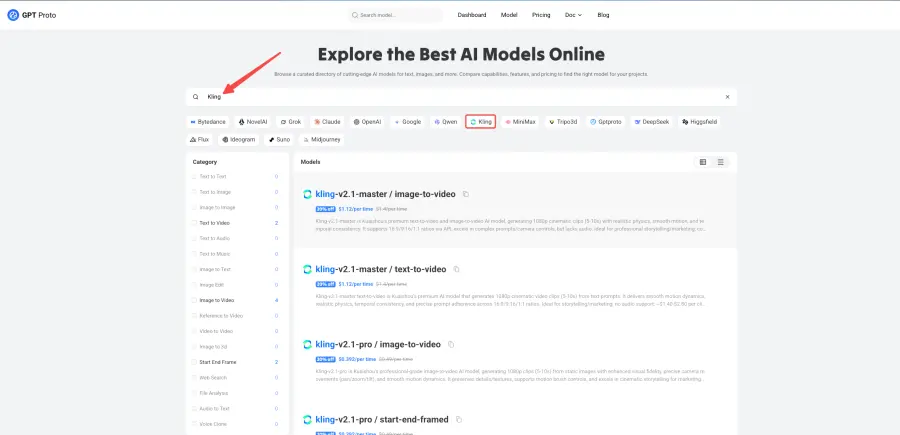
Why GPT Proto for Video Generation
Unified Access Benefits:
-
Single interface for accessing Kling 2.6, Kling O1, and competing models
-
No need to manage separate accounts, API keys, and billing relationships
-
Seamless switching between different video generation platforms
-
Future-proof workflow as new models are added automatically
Cost and Performance Advantages:
| Feature |
Benefit |
| Pay-as-you-go pricing |
No unused credit expiration, no minimum commitments |
| Volume discounts |
Approximately 40% cost savings vs individual vendors |
| Response times |
Sub-200ms through globally distributed servers |
| Uptime guarantee |
99.9% with automatic failover |
| New model integration |
Kling 2.6 added without reconfiguration |
| Flexible scaling |
Adjust usage based on project demands |
Practical Advantages for Video Creators
The consolidation eliminates complexity when using Kling 2.6 alongside other generative AI tools. When Kuaishou releases updates to Kling 2.6 or launches new versions, GPT Proto automatically integrates these changes without requiring creators to modify their workflows or learn new interfaces.
Workflow Stability: When platforms change ownership or modify service terms, creators with GPT Proto access can seamlessly shift between Kling 2.6, Veo, Sora, and other alternatives without rebuilding entire production pipelines. This flexibility matters increasingly as the AI generation market matures and consolidates.
Kling Model Family & Competitors: Comprehensive Comparison
The AI video generation market has evolved rapidly in 2025, with multiple platforms now offering native audio-visual synchronization capabilities. Understanding how Kling 2.6 positions itself against both its sibling model Kling O1 and competitors like Veo 3.1 and Sora 2 helps creators make informed decisions about which tools best serve their specific production needs.
Each platform brings distinct strengths shaped by different development philosophies and target audiences. While feature parity continues to increase across platforms, meaningful differences remain in camera control sophistication, audio generation quality, language support breadth, and workflow design that can significantly impact production efficiency and output quality.
Detailed Feature Comparison
| Feature |
Kling O1 |
Kling 2.6 |
Veo 3.1 |
Sora 2 |
| Primary Focus |
Unified multimodal platform |
Synchronized audio-visual |
Multi-scene narratives |
General purpose video |
| Release Date |
Dec 1, 2025 |
Dec 3, 2025 |
Late 2024 |
2024 |
| Audio Generation |
✓ Multimodal |
✓ Native synchronized |
✓ Native |
✓ Native |
| Camera Control |
Good |
Excellent (dynamic shots) |
Good |
Good |
| Language Support |
Multiple |
Chinese, English |
Multiple |
Multiple |
| Max Duration |
Varies by mode |
10 seconds |
Up to 60 seconds |
Varies |
| Lip-Sync Quality |
High |
High precision |
High |
High |
| Musical Performance |
Limited |
✓ Rap, singing, instruments |
Limited |
Limited |
| Multi-Person Dialogue |
Standard |
✓ Voice differentiation |
✓ Advanced |
Standard |
| Workflow Design |
Professional pipeline |
Single-step generation |
Standard |
Standard |
| Physics Simulation |
Good |
Good |
Excellent |
Good |
| Style Customization |
Extensive |
Standard |
Limited |
Good |
| Best Use Case |
Complex productions |
Short-form with audio |
Extended narratives |
General video |
| GPT Proto Access |
Available |
Coming soon |
Available |
Available |
| Pricing Model |
Tiered membership |
Tiered membership |
Enterprise/API |
Varies |
Audio Capability Deep Dive
| Audio Feature |
Kling O1 |
Kling 2.6 |
Veo 3.1 |
Sora 2 |
| Dialogue Quality |
Good |
Excellent |
Good |
Good |
| Ambient Sound |
Standard |
✓ Contextual |
Good |
Standard |
| Sound Effects |
Basic |
✓ Physics-based |
Good |
Basic |
| Music Generation |
Limited |
✓ Rap, singing |
Limited |
Limited |
| Voice Differentiation |
Standard |
✓ Multi-character |
✓ Advanced |
Standard |
| ASMR/Detail Audio |
Not available |
✓ High fidelity |
Limited |
Not available |
| Audio-Visual Sync |
Good |
Excellent |
Good |
Good |
Kling 2.6 demonstrates clear leadership in audio sophistication, particularly in scenarios requiring precise synchronization between physical actions and corresponding sounds. The model's ability to generate physics-based sound effects that match visual events frame-by-frame sets it apart from competitors still treating audio as a separate generation layer.
FAQs
What's the main difference between Kling O1 and Kling 2.6?
Kling O1 is a unified multimodal creation platform designed for integrated workflows across multiple content types, ideal for professional productions. Kling 2.6 specializes in synchronized audio-visual video generation, perfect for creators who need quick turnaround from concept to finished video with native audio. Choose O1 for complex multi-stage projects, and 2.6 for efficient short-form video creation.
What languages does Kling 2.6 support for audio generation?
The model currently generates audio in Chinese and English only. If you input prompts in other languages, the system automatically translates them to English before generating voice output. Standard pronunciation produces the most reliable results, with heavy accents or rapid speech potentially causing minor synchronization issues.
Can I generate videos without audio in Kling 2.6?
Yes, audio generation is optional. If your prompt focuses purely on visual description without mentioning dialogue, narration, or specific sounds, the model will prioritize visual generation. Simply omit audio-related descriptions to receive silent video output.
Conclusion
Kling 2.6 marks a significant evolution in AI video generation by unifying audio and visual creation into a single coherent process, complementing Kling O1's multimodal platform approach with specialized audio-visual excellence. The synchronized audio-visual generation capability eliminates hours of post-production work while maintaining cinematic quality and sophisticated camera control. With GPT Proto adding Kling 2.6 support in the near future, creators gain stable access to this cutting-edge technology alongside other leading models, providing insurance against vendor lock-in as the AI video market continues rapid evolution.