Why the Nano Banano Era Matters for Modern Creators
I remember the early days of generative tools when getting a decent image felt like pulling teeth. You would type a prompt, wait three minutes, and get a blurry mess. But things changed fast. The nano banano represents a massive shift in how we approach visual content creation today.
We are currently seeing a move toward speed and reliability. Most creators don't have time to wait for slow renders. They need assets now. This is where the nano banano shines. It provides that "flash-level" performance that people have been begging for since the AI boom began.
It's not just about speed, though. It is about the quality of the output. The nano banano handles textures and lighting in a way that feels professional. If you are building a brand, you need that polish. You cannot settle for "good enough" when your competitors are using pro-level tools.
And let's talk about the real-world utility here. People are actually making money with this. From AI influencers to affiliate marketing on platforms like Amazon and Myntra, the nano banano is a genuine tool for digital entrepreneurship. It's not a toy; it is a workflow enhancer.
The Rapid Evolution of Nano Banano Speed
Speed is the most obvious advantage when you first launch the nano banano interface. We are talking about generating high-quality visuals in seconds. This allows for rapid iteration. You can tweak a prompt and see the result almost instantly, which changes how you brainstorm.
When your workflow isn't interrupted by long loading bars, your creativity stays fluid. I've found that using the nano banano helps me stay in "the zone." You aren't just waiting; you are actively collaborating with the tool to refine your vision in real-time.
High-Fidelity Textures in Nano Banano
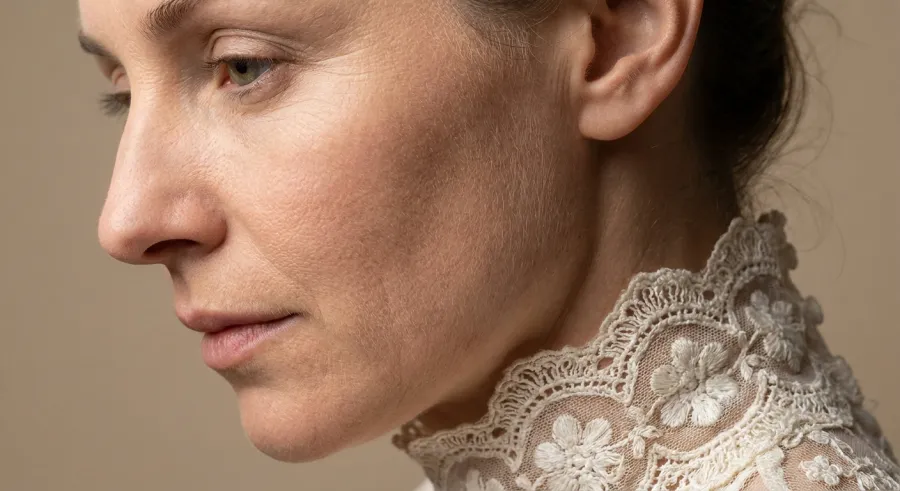
The texture quality in the latest nano banano version is honestly startling. We are talking about natural-looking pores and realistic skin details. It even handles complex textures like lace or realistic light falloff with ease. This level of detail used to require expensive professional software.
If you're tired of the "plastic" look common in some AI models, the nano banano is your solution. It captures the subtle imperfections that make a face or a scene look human. This expertise in rendering detail is what separates a amateur prompt from a professional asset.
Core Concepts of the Nano Banano Workflow
Before you start typing random sentences, you need to understand how the nano banano thinks. It isn't just a text-to-image generator; it's a sophisticated system that values consistency. This is especially true when you are working on multi-image projects or storytelling campaigns.
One of the strongest features of the nano banano is its ability to maintain subject consistency. Imagine trying to create a comic or a series of ads. You need the same character in different poses. The nano banano can track up to five characters across multiple generations.
This consistency extends to objects as well. You can keep up to 14 specific objects stable in your scenes. This makes the nano banano an essential tool for campaign work where branding elements must remain identical. It eliminates the "hallucination" problem that plagued earlier generative models.
Then there is the text problem. Older models were famously bad at spelling. The nano banano has solved this. You can now generate posters, ads, and infographics with clean, legible text. This makes the nano banano a one-stop shop for marketing materials without needing extra editing.
Mastering Consistency with Nano Banano
To get the most out of the nano banano, you have to lean into its consistent imaging capabilities. This often involves using previous results as references. By feeding the tool its own successful outputs, you can maintain the same "look and feel" across an entire set of images.
I usually start with a base character and then use specific JSON prompts to alter the pose. The nano banano keeps the facial structure and clothing identical. This is a game-changer for anyone running an AI influencer account or creating a consistent brand mascot.
Readable Text Integration in Nano Banano
If you've ever tried to put a specific word in an AI image and got gibberish, you'll love the nano banano. It handles typography better than almost any model I've tested. You can specify a headline, and the nano banano will render it with sharp, clear letters.
This capability is perfect for social media ads. You can design the entire creative, including the call to action, directly within the nano banano. It saves hours of time in Canva or Photoshop. It's about getting from idea to finished product as quickly as possible.
Step-by-Step Walkthrough of a Nano Banano Project
Let's get practical. How do you actually build something useful with the nano banano? I like to start with a character foundation. Many pros use a tool like Higgsfield.ai to get a basic influencer-style character, then bring that concept over into the nano banano for refinement.
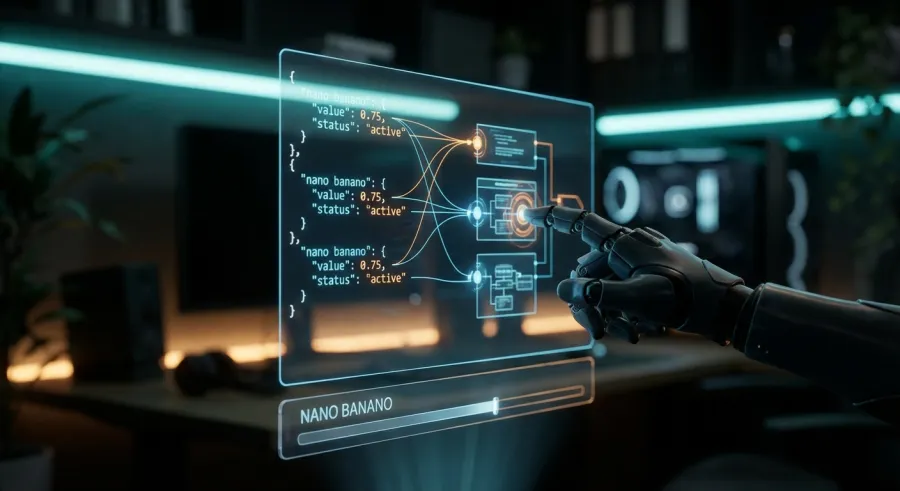
Once you have your base concept, you need to learn the JSON prompt structure. This is a more technical way of talking to the nano banano, but it gives you way more control. You aren't just hoping for a good result; you are directing the API to follow specific parameters.
After setting your parameters, you run your first generation. If the nano banano gives you something 80% perfect, don't throw it away. Use that image as a reference for the next step. This iterative process is how you achieve those pro-level results that look truly realistic.
Finally, consider your deployment. Are you pushing these to social media? Or maybe using the API to automate content for a website? The nano banano is flexible enough to handle both. I recommend using get started with the nano banano API to integrate these capabilities into your existing professional software stack.
Using JSON Prompts for Nano Banano Precision
The secret sauce of the nano banano experience is JSON prompting. Instead of writing a long paragraph, you use structured data to define lighting, camera angle, and character traits. This reduces the randomness that often frustrates beginners using the nano banano for the first time.
When you use JSON, the nano banano understands exactly which parts of the image to keep and which to change. If you want to change the lighting from "sunset" to "neon," you just swap a value. It's the most efficient way to use the nano banano for high-volume work.
Refining Characters in Nano Banano
Character generation is where most people get stuck. They get one good image but can't replicate it. With the nano banano, you use a seed number or a reference image to lock the identity. This ensures your AI character stays the same person in every frame.
I've seen users build entire careers on Myntra or Amazon by creating consistent models. They use the nano banano to swap outfits while keeping the model's face the same. It's a clever way to use AI to generate affiliate commissions without hiring expensive photography crews.
Common Nano Banano Mistakes and How to Avoid Them
The biggest mistake I see beginners make is writing "lazy prompts." If you just type "a person," the nano banano will give you something generic. You need to be specific. Describe the texture, the lighting, and the background. The more detail you give, the better it performs.
Another hurdle is hitting safety blocks. Sometimes the nano banano filters are a bit sensitive. If your prompt gets blocked, don't get frustrated. Try making small changes to the wording. Often, shifting a single word in your JSON prompt can bypass a false positive safety trigger.
Then there is the issue of over-complicating the scene. While the nano banano can handle 14 objects, that doesn't mean you should jam them all in at once. Start simple. Build the scene layer by layer. This keeps the AI focused and results in much sharper textures.
Finally, people forget to monitor their costs. If you are using the nano banano through an API, those credits can disappear fast if you aren't careful. It’s vital to manage your nano banano API billing effectively to avoid any surprises at the end of the month.
Overcoming Nano Banano Safety Blocks
Safety blocks are part of the modern AI landscape. If the nano banano rejects your prompt, it's usually because a specific keyword triggered a filter. I've found that using synonyms or more technical descriptions of clothing or poses often solves the problem instantly.
It’s a bit of a trial-and-error process. I kept trying multiple times, making small changes to the JSON prompt each time, until I got the result I wanted. Persistence is key when you're pushing the limits of what the nano banano can generate for your projects.
Avoiding Generic Nano Banano Outputs
To avoid that "AI look," you need to specify imperfections. Tell the nano banano to include uneven skin texture or realistic blush. If you don't ask for detail, it defaults to a smoothed-out version. Realism in the nano banano comes from the grit and the small details.
I always suggest looking at real photography for inspiration. What kind of lens would a real photographer use? What is the light falloff? Using these terms in your nano banano prompts will immediately elevate the quality of your work from amateur to professional level.
Expert Tips for Nano Banano Power Users
Once you've mastered the basics, it's time to level up. One of my favorite tricks is using the nano banano alongside other tools to polish the final result. For instance, if you need a truly high-resolution print, you might consider enhancing nano banano outputs with an image upscaler to get that extra crispness.
Another tip is to use "negative prompts" effectively. Tell the nano banano what you *don't* want. This is just as important as telling it what you do want. Excluding things like "distorted hands" or "blurry background" helps the AI focus its compute power on the important parts.
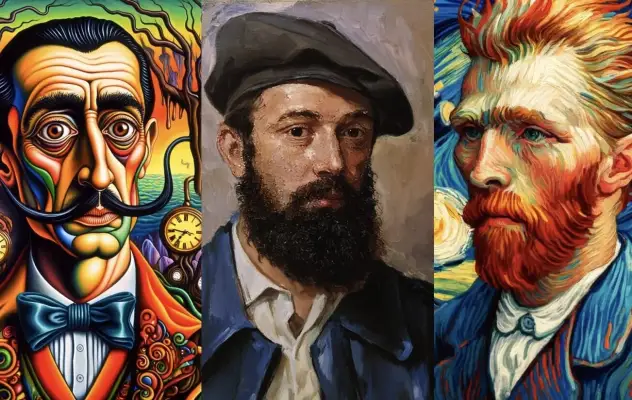
You should also experiment with different styles. While the nano banano is famous for realism, it’s also great for stylized art or 3D renders. Don't put yourself in a box. Try using the nano banano for different niches to see where its speed provides the most value.
If you're building a business around this, look into multi-model access. Sometimes the nano banano is perfect, but other times you might need a different flavor. You can explore all available nano banano and other models on specialized platforms to find the best tool for each specific task.
"The real pro in Nano Banano knows that the prompt is only 50% of the work; the other 50% is iteration and knowing how to refine the output until it looks perfect."
Advanced Lighting Techniques in Nano Banano
Lighting can make or break an image. In the nano banano, you can specify things like "volumetric lighting" or "rim lighting." These terms tell the AI where the light source is located. This creates a sense of depth that simple prompts just cannot achieve.
I like to use lighting to set the mood. For a professional headshot, I might use "soft studio lighting." For a dramatic poster, maybe "high-contrast noir lighting." The nano banano responds incredibly well to these photographic terms, giving you much more creative control.
Scaling Your Nano Banano Workflow
If you're doing this for clients, you need a way to scale. This is where API integration is king. Instead of manually prompting every image, you can build a script that feeds prompts to the nano banano in bulk. This is how you handle 1,000 images in a day.
To keep everything running smoothly, you should monitor your nano banano API usage in real time. This ensures you don't hit limits mid-project. Efficiency is the difference between a side hustle and a sustainable business model in the AI space.
What is Next for the Nano Banano Ecosystem?
The competition in the AI image space is fierce. We're seeing tools like UNI-1 from Luma and Seedream 4.5 coming for the throne. While the nano banano is currently a top choice for speed and consistency, these new models offer different strengths, like better logical reasoning for complex prompts.
However, the nano banano community is active and growing. The feedback loop between users and developers is tight. We can expect even better text rendering and more subject consistency in future updates. The goal is to make the nano banano the standard for fast, high-quality production work.
One thing to keep in mind is the ethical side. As these images get more realistic, it’s more important than ever to be transparent. If you are using these for commercial work, you might need to clean up your nano banano results using an image watermark remover, but always ensure you're following the platform's terms of service.
The future of the nano banano is about more than just images. It’s about how these visuals integrate into video and 3D space. We are just scratching the surface of what this technology can do. Whether you are a solo creator or part of a large agency, the nano banano is a tool you need to master.
Comparing Nano Banano to Luma and Seedream
Luma's UNI-1 is making waves for its ability to follow very complex, logic-heavy prompts. If you need a scene with very specific spatial relationships, it might beat the nano banano. Seedream 4.5, on the other hand, is known for having fewer restrictions, allowing for more creative freedom.
But the nano banano still holds the edge in pure speed and skin texture. It's the "workhorse" of the group. If you need 50 high-quality images for a social media campaign by noon, the nano banano is the one you should reach for every single time.
GPT Proto and the Future of AI Integration
For those of us who need access to all these tools without the headache of multiple subscriptions, GPT Proto is a lifesaver. It allows you to tap into the power of the nano banano and other top-tier models through a single, unified API interface.
With GPT Proto, you get up to 70% off mainstream AI API costs. It features smart scheduling, meaning you can choose between "performance-first" or "cost-first" modes depending on your project needs. It’s the smartest way to manage your AI toolkit while staying within budget.
Written by: GPT Proto
"Unlock the world's leading AI models with GPT Proto's unified API platform."