Why the lm arena Matters for Modern AI Evaluation
Every week, it feels like a new "groundbreaking" model drops. Marketing departments scream about benchmarks that don't mean much to actual users. This is where the lm arena comes in. It’s the closest thing we have to a democratic evaluation of intelligence.
The lm arena moves away from static, easily gamed datasets. Instead, it relies on human intuition. It asks real people to judge model outputs side-by-side without knowing which model is which. This blind testing is the heart of the lm arena experience.
But why should you care? Because traditional benchmarks are failing. Models are being trained on the test data itself, making them look smarter than they are. The lm arena bypasses this by using unique, user-generated prompts that haven't been seen before.
It’s a living, breathing leaderboard. It reflects how people actually talk to software. If you're building a product or choosing an AI partner, the lm arena is your first line of defense against marketing hype. It shows you what works in the real world.
The Shift Toward Human Preference in the lm arena
The lm arena isn't just a list; it’s a shift in philosophy. We’ve realized that "accuracy" on a math test doesn't equal "usefulness" in a chat. The lm arena prioritizes how a model follows instructions and maintains a natural tone.
The lm arena is tracking human preference, not just raw capability. This makes the lm arena results feel more aligned with actual daily usage.
When you use the lm arena, you’re participating in a massive social experiment. You’re helping define what "good" looks like for the next generation of LLMs. It’s about more than just numbers; it’s about the "vibes" of the response.
Solving the Benchmark Bottleneck With the lm arena
Static benchmarks are becoming obsolete. The lm arena solves this by being dynamic. Since the prompts are generated by users in real-time, the models can't just memorize the answers. This is a massive win for transparency in the AI space.
Developers use the lm arena to see how their fine-tuned models stack up. It’s an essential tool for anyone trying to understand the current state of the art. Without the lm arena, we’d be stuck trusting company press releases and cherry-picked examples.
Core Concepts of the lm arena Explained
To really get the lm arena, you have to understand the Elo rating system. This is the same system used to rank chess players. In the lm arena, when a model wins a "match" against another, its rating goes up based on the opponent's strength.
This creates a self-correcting leaderboard. If a weak model beats a strong one in the lm arena, the rating shift is significant. If a top-tier model beats a newcomer, the change is minor. This keeps the lm arena rankings stable and fair over time.
The lm arena also uses a concept called "preference data." Every time you vote for a response, you’re creating data that can be used for reinforcement learning. This is why the lm arena is free to use—you’re the one doing the work.
Your votes help post-train models to be more helpful. Major labs watch the lm arena closely to see where they fall short. It’s a feedback loop between the builders and the users that happens entirely within the lm arena interface.
The Blind Test Mechanic in the lm arena
In the lm arena, you don’t see the names of the models until after you vote. This is crucial. It removes brand bias. People might reflexively vote for GPT-4 because of the name, but the lm arena forces you to judge the quality alone.
This anonymity is the secret sauce. It levels the playing field for open-source models. Smaller developers can see their work rank alongside giants in the lm arena, proving that huge budgets aren't the only way to build a great AI.
How Elo Scores Shape the lm arena Leaderboard
The Elo score in the lm arena provides a relative measure of performance. It’s not an absolute score like a grade. Instead, it tells you the probability that one model will beat another in a side-by-side comparison within the lm arena.
| Concept |
Role in lm arena |
| Elo Rating |
Determines the relative ranking of AI models based on win/loss ratios. |
| Pairwise Comparison |
The core mechanic of the lm arena where two outputs are compared. |
| Preference Data |
The raw human feedback collected by the lm arena for model training. |
This data-driven approach makes the lm arena incredibly hard to ignore. It’s not just one person’s opinion; it’s the aggregated wisdom of thousands of users. This is what gives the lm arena its authority in the industry.
A Step-by-Step Walkthrough of the lm arena
Using the lm arena is straightforward, but doing it right takes a bit of thought. First, you head to the site and enter a prompt. I recommend using something complex—don't just ask "what is 2+2." The lm arena shines with nuance.
Once you hit enter, two different models will generate responses. Your job in the lm arena is to read both carefully. Look for hallucinations, tone, and how well they followed your specific instructions. Don't rush your vote in the lm arena.
After you vote, the lm arena reveals the identities of Model A and Model B. It’s often surprising. You might find that a smaller, cheaper model outperformed a flagship. This insight is exactly why the lm arena is so valuable for developers.
You can also explore different categories within the lm arena. There are sections for coding, creative writing, and longer-form tasks. Each category in the lm arena has its own leaderboard, helping you find the right tool for your specific job.
Crafting Effective Prompts for the lm arena
To get the most out of the lm arena, use prompts that test limits. Try role-playing scenarios or complex logic puzzles. The lm arena is designed to separate the truly smart models from those that just sound confident.
- Ask for code with specific edge cases to test the lm arena's technical depth.
- Use creative writing prompts with strict style constraints in the lm arena.
- Test multi-step reasoning by asking the models to plan a complex project.
- Compare how different models in the lm arena handle controversial or sensitive topics.
The better your prompts, the more useful the data you contribute to the lm arena. It’s a collaborative effort. By providing high-quality inputs, you’re helping make the entire AI ecosystem more transparent and reliable.
Navigating the lm arena Leaderboards
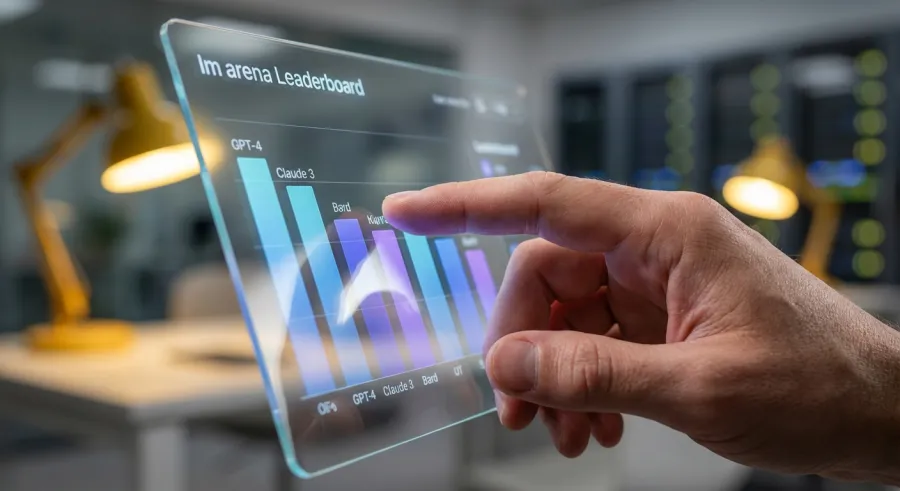
Don't just look at the top spot. The lm arena leaderboard has a wealth of information if you dig deeper. You can filter by model size, license type, and specific time frames. This allows you to see how the lm arena evolves.
Pay attention to the confidence intervals in the lm arena. If two models are close in score, their rankings might swap frequently. This indicates they are effectively tied in the eyes of the lm arena users, which is important for decision-making.
Common Mistakes and Pitfalls in the lm arena
The lm arena is great, but it isn't perfect. One of the biggest issues is the "vibes" problem. Humans are often swayed by polite, well-formatted text, even if the actual information is wrong. This can skew the lm arena results toward "confident liars."
Another pitfall is prompt leaking. Some models are trained to recognize that they are in the lm arena and might try to "act" in a way that gets more votes. This kind of gaming is a constant battle for the lm arena maintainers.
You also have to consider token limits. Many users complain that the lm arena cut off their conversation right as it was getting interesting. The free nature of the lm arena means resources are limited, which can hinder complex testing sessions.
Privacy is another concern. The lm arena FAQ is very clear: your conversations can be made public. Never put sensitive data into the lm arena. It’s an open research platform, not a private workspace for your secret project.
The Problem of Model Manipulation in the lm arena
Some critics argue that the lm arena is susceptible to manipulation. If a company can identify which prompts are likely to appear in the lm arena, they can optimize for them specifically. This "cheating" harms the integrity of the lm arena rankings.
The lm arena is a problematic benchmark because not only is it easy to game, but doing so actively harms the model's actual utility in favor of ranking high.
We have to take the results with a grain of salt. The lm arena is a snapshot of preference, not a definitive proof of intelligence. It’s one data point among many that you should use when evaluating an AI or an API.
Token Usage Limits and Usability Issues in the lm arena
If you're trying to test long-form content, the lm arena might frustrate you. There are strict limits on how many tokens a session can use. This means you can't really test how a model handles a massive codebase in the lm arena.
The lack of file uploads is another hurdle. For many practitioners, a real test involves processing a PDF or an image. Since the lm arena is mostly text-based, you're only seeing a fraction of what these modern AI models can do.
Expert Tips for Maximizing the lm arena
If you're a developer, use the lm arena to pick your next API. Don't just go for the most famous name. Look at the lm arena coding leaderboard to see who's actually winning in the trenches. Then, use a platform like GPT Proto to access them.
With GPT Proto, you can browse top AI models and try them out at a fraction of the cost. The lm arena tells you which model is best; GPT Proto makes it easy and cheap to integrate that model into your stack via a unified API.
Another tip: use the lm arena to test your own fine-tunes if you can get them listed. Seeing how the public reacts to your model in a blind test is the ultimate reality check. It’s much more honest than any internal test you can run.
Finally, cross-reference the lm arena with other benchmarks. Use tools like LiveBench or the HuggingFace leaderboards. The lm arena is your "human pulse" check, but you still need those hard, automated tests to ensure technical accuracy and consistency.
Integrating lm arena Insights Into Your Workflow
I always check the lm arena before starting a new project. It helps me decide if I need the power of a flagship model or if a faster, cheaper one will do. The lm arena saves me money by preventing over-provisioning of AI resources.
Once I've used the lm arena to find the right candidate, I head over to the GPT Proto API documentation to see how to plug it in. Combining the lm arena's intelligence with GPT Proto's efficiency is a powerful developer workflow.
Balancing Cost and Performance Via the lm arena
The lm arena often reveals that "good enough" models are much better than we think. You can find models in the middle of the lm arena pack that perform at 90% of the top tier for 10% of the cost. This is huge for scaling.
To manage these costs, you can manage your API billing with flexible pay-as-you-go pricing on GPT Proto. This allows you to switch between models based on their lm arena performance without managing five different enterprise accounts.
What’s Next for the lm arena and Benchmarking?
The lm arena is evolving. We’re seeing more focus on multi-modal capabilities and harder reasoning tasks. The team behind the lm arena is constantly working to filter out low-effort prompts and improve the quality of the preference data.
As AI becomes more specialized, I expect to see more "sub-arenas" within the lm arena. Imagine a specific lm arena for legal advice or medical reasoning. This would provide even more granular data for professionals who need high-stakes accuracy.
We’re also seeing a push for more transparency in how the lm arena data is used. There’s a balance to be struck between open research and commercial interests. The future of the lm arena depends on maintaining the trust of the community.
For now, the lm arena remains the gold standard for human-centric AI evaluation. It’s an essential stop for anyone navigating the complex world of LLMs. Keep an eye on it, but always stay critical of the results.
The Rise of Harder Benchmarks Alongside the lm arena
Because the lm arena is getting easier for top models to "solve," we’re seeing the rise of platforms like LiveBench. These focus on tasks that even the top models in the lm arena struggle with, like complex math and logic puzzles.
This competition is good. It forces the lm arena to stay relevant. You should learn more on the GPT Proto tech blog about how these different benchmarking styles impact model development and API selection in the real world.
Final Thoughts on the lm arena Ecosystem
At the end of the day, the lm arena is about people. It’s about how we interact with these "alien" intelligences and what we want from them. Whether you're a casual user or a hardcore dev, the lm arena has something to teach you.
Don't be afraid to get your hands dirty in the lm arena. Vote on some pairs, try some weird prompts, and see what happens. The more we all participate in the lm arena, the better our AI tools will eventually become for everyone.
Written by: GPT Proto
"Unlock the world's leading AI models with GPT Proto's unified API platform."