Why GPT Image 2.0 Is Shaking Up the AI Scene
If you've been hanging around any AI subreddit lately, you know the vibe. People are tired of "plastic" looking visuals. We’ve all seen enough six-fingered hands and uncanny valley faces to last a lifetime. That is why GPT Image 2.0 matters so much right now.
It isn't just another incremental patch. It feels like a fundamental shift in how the machine understands what we actually want. When we talk about gpt image 2.0, we are talking about a jump in realism that honestly catches you off guard.
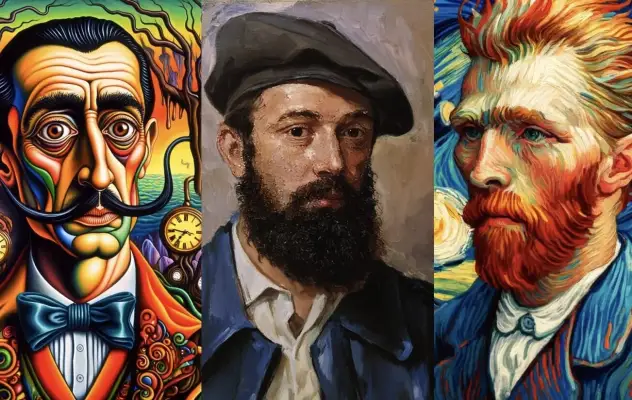
The variety is what hits first. One minute you’re generating a hyper-realistic 90s-style polaroid, and the next, it’s a crisp, splintering action shot of a turtle punching a tree. The impact isn’t just a flat texture; it’s bark exploding and motion blur that feels earned.
But let’s get real for a second. Is it perfect? No. But compared to what we had six months ago, it’s like moving from a flip phone to a modern flagship. You can explore GPT Image 2.0 features to see exactly how these technical leaps manifest in raw pixels.
GPT Image 2.0 represents a pivot from "generating an image" to "composing a scene." The difference is subtle, but the visual content speaks for itself.
The feedback from the community has been largely positive, specifically regarding how the gpt image 2.0 handles complex physics. Lighting reacts correctly to environmental changes. Shadows aren't just dark blobs anymore; they actually follow the geometry of the objects they belong to.
Unlocking Creative Potential with Simple Prompts
One of the biggest friction points in AI has always been the "prompt engineering" wall. You shouldn't need a PhD in linguistics to get a decent picture. With gpt image 2.0, that wall is finally crumbling down.
Users are reporting that simple 20-word prompts are producing results that previously required three paragraphs of keyword stuffing. This is the power of a better ai generator. It interprets intent, not just literal strings of text. It’s a massive win for workflow speed.
Fixing the Character Consistency Nightmare
If you’ve ever tried to create a storyboard or a comic, you know the pain. You get a perfect character in shot one, and by shot two, they’ve aged ten years and changed ethnicities. It’s frustrating. This is where gpt image 2.0 really shows its teeth.
The character consistency across multiple angles in gpt image 2.0 is a game-changer. It used to break instantly. Now, the model seems to hold onto the "soul" of the subject. If your character has a specific scar or a weird hat, that hat stays the same hat.
This level of image consistency opens doors for creators who were previously locked out by technical limitations. Think about small indie game developers or writers. They can now use gpt image 2.0 to maintain a visual narrative without hiring a full art department.
Here is how gpt image 2.0 stacks up against the previous generation in terms of consistency:
| Feature Focus |
Legacy Models |
GPT Image 2.0 |
User Impact |
| Character Angles |
Breaks after 2-3 frames |
High persistence |
Better storyboarding |
| Lighting Logic |
Static / Inconsistent |
Dynamic environmental reaction |
Professional realism |
| Small Detail Retention |
Often "hallucinated" away |
Maintains specific traits |
Branding reliability |
And it's not just about characters. The gpt image 2.0 handles object permanence better too. If there's a specific coffee mug on a table in a wide shot, it’ll likely be the same mug when you zoom in for a close-up. It's refreshing.
Why Reliable AI Generation Matters for Pros
For those of us using these tools for work, "cool" isn't enough. We need a reliable generator. We need to know that if we put in ten prompts, at least eight of them will be usable. The gpt image 2.0 hit rate is significantly higher than its predecessors.
This reliability is why many are starting to use the image 2.0 editor to refine their work rather than just generating and praying. It gives you a level of control that was missing in the early wild-west days of AI art.
How to Get Started with GPT Image 2.0
So, you want to jump in. The good news is that the barrier to entry is lower than ever. You don't need a high-end GPU or a deep understanding of latent diffusion. Most users are accessing gpt image 2.0 through streamlined interfaces.
First, focus on descriptive nouns. Instead of saying "a cool car," try "a 1967 Mustang with matte black finish under neon streetlights." The gpt image 2.0 loves context. It uses those details to anchor the scene's lighting and atmosphere.
Don't be afraid of the "90s style" or "vintage film" tags either. Reddit users have found that gpt image 2.0 is particularly good at mimicking specific eras without looking like a cheap filter was slapped on top. It feels authentic to the grain and color science of the period.
If you're building a project that requires heavy lifting, you might want to check the GPT Image 2.0 Plus model for higher resolution outputs. It’s built for those who need more than just a social media post.
- Start with natural language, not just keywords.
- Use specific descriptors for lighting (e.g., "golden hour," "cinematic rim light").
- Experiment with different aspect ratios early on.
- Keep your character descriptions consistent across multiple prompts.
One more thing: don't over-complicate your prompts. The gpt image 2.0 is smart enough to fill in the logical gaps. If you tell it a turtle is punching a tree, it knows there should be wood chips flying. You don't have to explain physics to it anymore.
Integrating GPT Image 2.0 Into Your Workflow
For developers, the gpt image 2.0 api is where the real magic happens. You can automate the generation of visual content for apps, websites, or marketing materials. But remember, the gpt image pricing can vary depending on the resolution and volume you're pushing through.
Smart users are starting to manage their API billing early to avoid surprises. If you're running a high-volume visual content machine, keeping an eye on those credits is vital. It’s all about balancing quality and cost-effectiveness.
Refining Visuals with GPT Image 2.0 Tools
Sometimes the first shot isn't perfect. Maybe the composition is right, but the color is off. Or maybe you need to swap out one specific element. This is where the editing capabilities of gpt image 2.0 come into play.
The ability to edit GPT Image 2.0 Plus visuals allows for surgical precision. You can point to a specific area and say "make this red" or "remove the person in the background." It’s basically Photoshop with a brain.
And let's be honest, we've all had those moments where the AI almost gets it. Before, you’d have to roll the dice again and hope for the best. Now, with gpt image 2.0, you can iterate. This makes the tool feel less like a lottery and more like a professional instrument.
Here are some of the most common editing tasks people are doing right now:
- Changing environmental lighting without altering the subject.
- Swapping out clothing or accessories on consistent characters.
- Expanding the borders of an image (outpainting) to change the aspect ratio.
- Upscaling low-res concepts into high-fidelity final assets.
This iterative process is why many pros are moving away from older tools. The gpt image 2.0 workflow is just faster. You spend less time fighting the model and more time actually creating. It’s a breath of fresh air for anyone on a deadline.
Scaling with the GPT Image 2.0 API
If you're a developer, you aren't just looking for a chat box. You want to read the full API documentation to see how to bake gpt image 2.0 directly into your stack. The unified nature of modern AI platforms makes this easier than it used to be.
With the gpt image 2.0 api, you can build dynamic systems. Imagine a game where the environment changes based on player choices, with the visuals generated in real-time. We are getting very close to that being a reality, and the speed of gpt image 2.0 is the catalyst.
The Reality Check: Flaws and Ethical Concerns
Look, I’m an enthusiast, but I’m not a fanboy. We have to talk about the downsides. Even with all the praise for gpt image 2.0, some users still feel the results can look a bit "slop-heavy." If you look too closely at the fine details, the "AI-generated" signature is still there.
There is also the elephant in the room: ethics. As gpt image 2.0 becomes more realistic, the potential for fake news and propaganda increases. We've seen people on Reddit express genuine fear about how this tech will be used. It’s a valid concern that shouldn't be swept under the rug.
And then there’s the "AI-slop" factor. Just because you *can* generate ten thousand images doesn't mean you *should*. The internet is already being flooded with low-effort visual content. The challenge with gpt image 2.0 isn't just making pictures; it's making pictures that actually matter.
"Perfect, now we can start all the fake news and propaganda we ever wished for." — A cynical but necessary reminder from the Reddit community about the power of GPT Image 2.0.
From a practical standpoint, gpt image 2.0 still struggles with some text rendering and extremely fine motor movements in complex scenes. It's a lot better, but it's not magic. You will still see the occasional six-fingered hand if the prompt is too chaotic.
How It Compares to Other AI Makers
The competition is fierce. Many users still swear by other tools, claiming they offer a more "artistic" flair. However, most agree that gpt image 2.0 has pushed the industry forward. It’s forced other players to step up their game in terms of user experience and consistency.
When you explore all available AI models, you’ll see that gpt image 2.0 sits in a sweet spot. It offers a balance of ease-of-use and high-end power that is hard to find elsewhere. It’s the "prosumer" choice of the AI world right now.
The Final Verdict on GPT Image 2.0
So, is gpt image 2.0 worth the hype? If you care about character consistency, realistic lighting, and a tool that actually understands your prompts, then yes. It’s a massive leap forward. It’s not just about "better pixels"; it’s about a better understanding of the world.
But we also have to be responsible. As this tech gets better, the line between reality and generation blurs. Whether you're using gpt image 2.0 for a hobby or as part of a professional gpt image 2.0 api setup, the goal should always be to add value, not just noise.
The creative potential is staggering. We are seeing people create entire worlds with just a few sentences. That is powerful stuff. If you're ready to see what the fuss is about, I'd recommend starting simple and seeing where the model takes you.
And if you're looking for a way to access all these models without jumping between twenty different subscriptions, you might want to try GPT Proto intelligent AI agents. They can help you navigate the landscape and get the most out of tools like gpt image 2.0 without the headache.
At the end of the day, gpt image 2.0 is just a tool. It's a very, very good tool, but it's only as creative as the person using it. So go out there, write some weird prompts, and see what happens. The results might just surprise you.
Written by: GPT Proto
"Unlock the world's leading AI models with GPT Proto's unified API platform."