


Native High-Res OCR
Preserves clarity for small text in complex layouts, outperforming standard LLMs on dense document extraction.

Start from the cost of a single sample and pick a testing budget. GPTProto rates are 10% below list price.
$0.0315 / image

| Model | Resolution | Input → Output | ||
|---|---|---|---|---|
| $0.03 per time | 1K | Input: Text Output: Image | |
| $7.60 / $28.50 per 1M | — | Input: TextInput: Image Output: Image | ||
| $7.60 / $28.50 per 1M | — | Input: TextInput: Image Output: Image | ||
| — | $0.04 per time | 1K · 2K · more | Input: TextInput: Image Output: Image | |
| $0.04 per time | 1K · 2K | Input: TextInput: Image Output: Image | ||
| $0.02 per time | 1K | Input: TextInput: Image Output: Image | ||
| $0.04 per time | 1K · 2K · 4K | Input: TextInput: Image Output: Image | ||
| $6.40 / $24.00 per 1M | — | Input: TextInput: Image Output: Image | ||
| $0.04 per time | 1K · 2K · 4K | Input: TextInput: Image Output: Image | ||
| $0.03 per time | — | Input: TextInput: Image Output: Image | ||
| $0.03 per time | — | Input: TextInput: Image Output: Image | ||
| $0.01 per time | — | Input: TextInput: Image Output: Image | ||
| $0.02 per time | — | Input: TextInput: Image Output: Image | ||
| — | $0.14 per time | — | Input: Text Output: Image | |
| — | $0.01 per time | — | Input: Image Output: Image | |
| — | $0.02 per time | — | Input: Image Output: Image | |
| $0.06 per time | — | Input: TextInput: Image Output: Image | ||
| $0.03 per time | — | Input: TextInput: Image Output: Image | ||
| $0.05 per time | — | Input: Image Output: Image | ||
| $0.05 per time | — | Input: Image Output: Image | ||
| $0.05 per time | — | Input: Text Output: Image | ||
| $0.06 per time | — | Input: TextInput: Image Output: Image |
The qwen image api provides specialized tools for high-resolution document extraction and visual reasoning.
Preserves clarity for small text in complex layouts, outperforming standard LLMs on dense document extraction.
Outputs exact bounding box coordinates for objects, enabling advanced visual search and UI automation.
Analyzes long-duration video through dynamic sampling for temporal event detection and summarization.
Interprets graphs, tables, and mathematical formulas with state-of-the-art accuracy on MathVista.
Common questions about implementing the qwen image api for OCR, document understanding, and visual grounding tasks on GPTProto.

Step into a dynamic polybuzz of interactive virtual companions, featuring seamless voice acting and personalized roleplay.
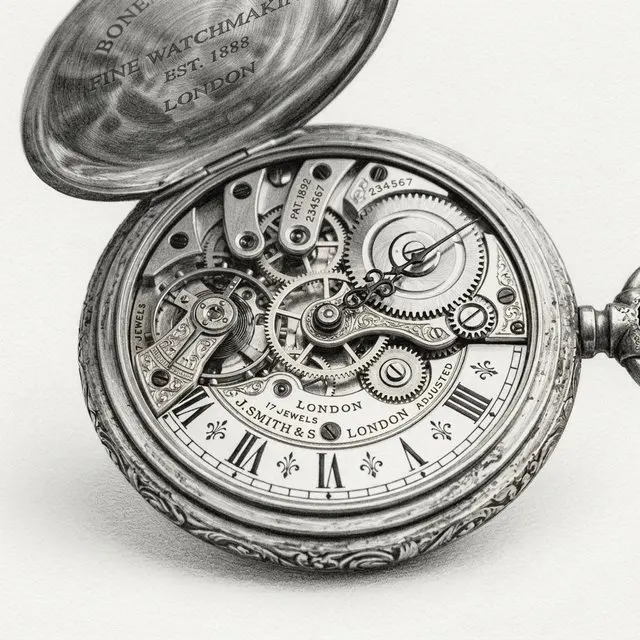
Use our powerful AI sketch generator as your go-to image to sketch converter. Effortlessly capture delicate pencil strokes, facial features, and landscape textures.
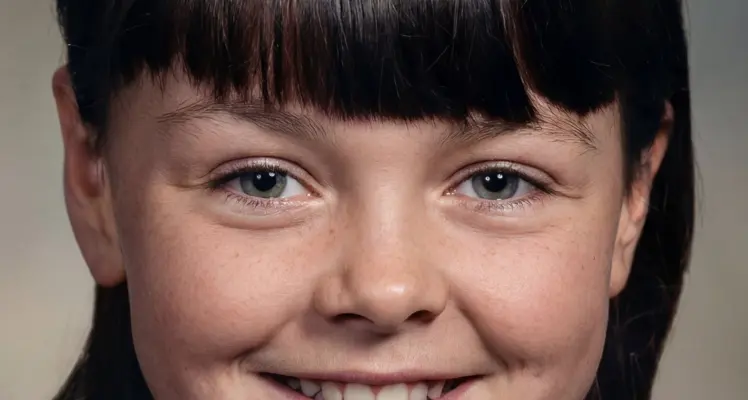
Restore old photos, eliminate background clutter, and conceal skin defects instantly using our advanced retouch AI.
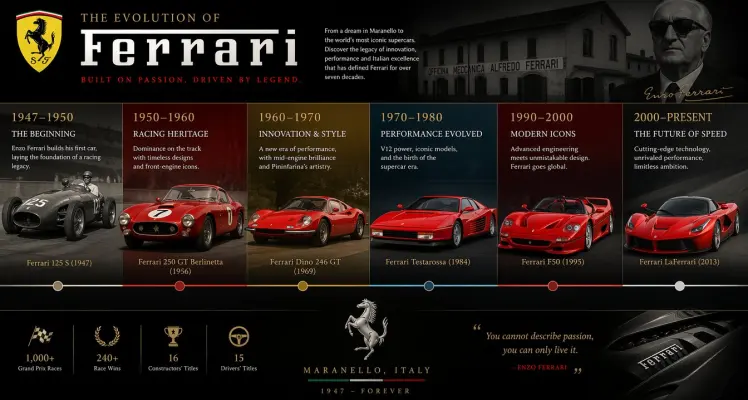
Create beautiful historical timelines from complex historical events using our advanced AI timeline maker.
Guides, comparisons, and updates related to this model.
All Articles
Mastering the qwen image edit model requires smart VRAM management and optimized workflows. Discover how to run the 2511 version without crashing.
Mastering the qwen image edit model requires smart VRAM management and optimized workflows. Discover how to run the 2511 version without crashing.
Explore Qwen 3, the latest open-source AI model from Alibaba. Learn what makes it special, how it compares to other models, and how to access it.
Discover why the 32b architecture is the goldilocks zone for AI developers, offering high reasoning power with low hardware overhead and massive efficiency.