


SOTA STEM Performance
With a 90.2% score on the AIME 2024, the o3 api outperforms previous models in solving competitive-level mathematics and logic problems.

image
text
Image To Text (Response)
curl --request POST "https://gptproto.com/v1/responses" \
  --header "Authorization: Bearer $GPTPROTO_API_KEY" \
  --header "Content-Type: application/json" \
  --data '{
    "model": "o3",
    "input": [
      {
        "role": "user",
        "content": [
          {
            "type": "input_text",
            "text": "What is in this image?"
          },
          {
            "type": "input_image",
            "image_url": "https://tos.gptproto.com/resource/cat.png"
          }
        ]
      }
    ]
  }'
Image To Text (Chat)
curl --request POST "https://gptproto.com/v1/chat/completions" \
  --header "Authorization: Bearer $GPTPROTO_API_KEY" \
  --header "Content-Type: application/json" \
  --data '{
    "model": "o3",
    "messages": [
      {
        "role": "user",
        "content": [
          {
            "type": "text",
            "text": "What is in this image?"
          },
          {
            "type": "image_url",
            "image_url": {
              "url": "https://tos.gptproto.com/resource/cat.png"
            }
          }
        ]
      }
    ],
    "max_tokens": 300
}'Explore the standout features of the o3 api, designed for developers who require deep logic and advanced reasoning for complex tasks.
With a 90.2% score on the AIME 2024, the o3 api outperforms previous models in solving competitive-level mathematics and logic problems.
Rated at ~2727 ELO on Codeforces, the o3 api is more capable than 99% of human programmers at solving intricate algorithmic challenges.

Natively reason over diagrams and blueprints. The o3 api uses vision to bridge the gap between visual information and logical execution.
The o3 api allows you to set reasoning_effort to low, medium, or high. This lets you balance speed against intelligence for different tasks.

Getting a o3 API key takes four steps and a few minutes. Create a free GPTProto account, add credits, generate your key, and make your first call — at $1.8 / $7.2 it's a cheaper o3 API key than going direct, and one key works across every model on the platform. Full o3 Documentation is in the docs.
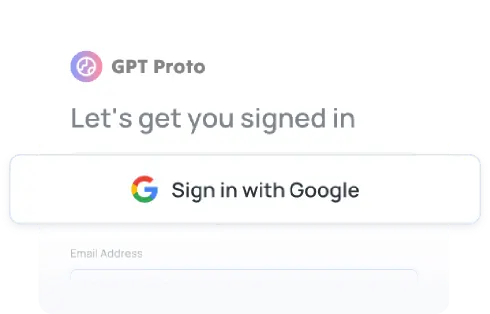
Sign up
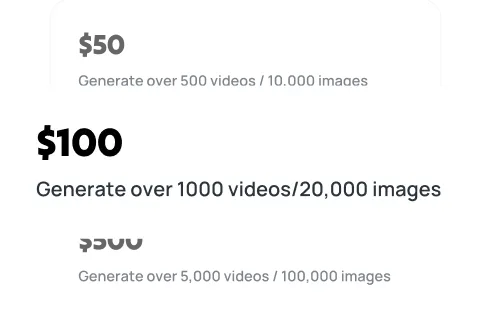
Top up
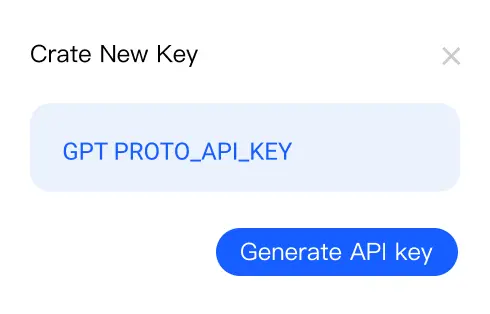
Generate your API key
Make your first API call
Everything you need to know about integrating the o3 api into your workflow, from performance benchmarks to billing details on GPTProto.

Discover how a projected $3 trillion investment in AI infrastructure is fueling a nationwide economic boom. Learn about the rise of data center hubs, job creation across every state, and the strategic importance of intelligent API integration and resource scheduling for long-term AI leadership.
Discover why the massive global investment in AI infrastructure and data centers is more than just a bubble. This in-depth analysis explores the historical parallels of tech booms, the critical constraints of power and land, and how companies are achieving long-term profitability in the AI era.

OpenRouter data reveals a unique Glass Slipper Effect where the first month of an AI model's launch determines long-term loyalty. Learn why early foundational cohorts show higher retention than late adopters in the competitive LLM market.

GPT-5.4 is OpenAI's latest AI model, combining advanced reasoning, coding, and built-in Computer Use in one. Learn what's new, how it compares to GPT-5.2, and how to access it affordably via GPT Proto.