


GPT 5 Logic Density
While compact, this chat model outperforms GPT-4o on MMLU benchmarks, proving that 5 series nano architecture can handle complex logic efficiently.
file
text
File Analysis
curl --request POST "https://gptproto.com/v1/responses" \
  --header "Authorization: Bearer $GPTPROTO_API_KEY" \
  --header "Content-Type: application/json" \
  --data '{
    "model": "gpt-5-nano",
    "input": [
      {
        "role": "user",
        "content": [
          {
            "type": "input_text",
            "text": "what is in this file?"
          },
          {
            "type": "input_file",
            "file_url": "https://tos.gptproto.com/resource/gptproto.pdf"
          }
        ]
      }
    ]
}'Technical highlights of the chat gpt 5 nano architecture.
While compact, this chat model outperforms GPT-4o on MMLU benchmarks, proving that 5 series nano architecture can handle complex logic efficiently.
Achieve 98.4% accuracy in JSON schema adherence. Use chat gpt 5 nano for reliable data extraction and autonomous agent tool-calling loops.

Process audio and visual tokens directly. chat gpt 5 nano maintains emotional prosody and spatial relationships without needing separate transcription.

chat gpt 5 nano delivers lightning-fast responses, reducing time-to-first-token by 35% compared to previous generations for instant chat interactions.

Getting a gpt-5-nano API key takes four steps and a few minutes. Create a free GPTProto account, add credits, generate your key, and make your first call — at $0.035 / $0.28 it's a cheaper gpt-5-nano API key than going direct, and one key works across every model on the platform. Full gpt-5-nano Documentation is in the docs.
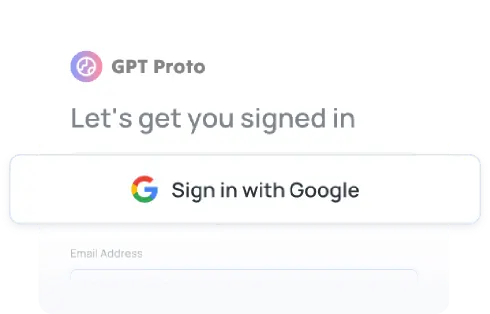
Sign up
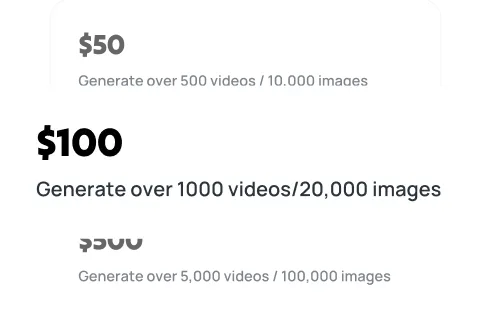
Top up
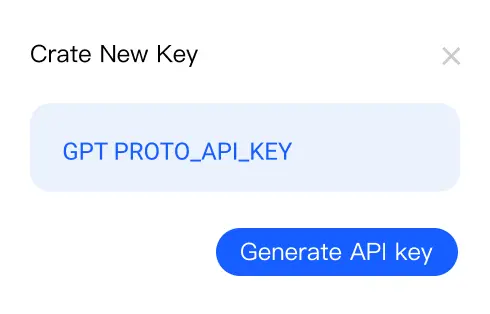
Generate your API key
Make your first API call
Expert answers regarding the chat gpt 5 nano model performance, pricing, and integration.

Discover how a projected $3 trillion investment in AI infrastructure is fueling a nationwide economic boom. Learn about the rise of data center hubs, job creation across every state, and the strategic importance of intelligent API integration and resource scheduling for long-term AI leadership.
Discover why the massive global investment in AI infrastructure and data centers is more than just a bubble. This in-depth analysis explores the historical parallels of tech booms, the critical constraints of power and land, and how companies are achieving long-term profitability in the AI era.

OpenRouter data reveals a unique Glass Slipper Effect where the first month of an AI model's launch determines long-term loyalty. Learn why early foundational cohorts show higher retention than late adopters in the competitive LLM market.
Explore the GPT-5 Mini API release status, performance benchmarks, and $2/1M token pricing. Optimize your AI development today. Discover more...