Higgsfield Standard API: Reliable Pricing and Video Generation Performance
For creators seeking high-impact visuals, the Higgsfield Standard model provides an entry point into advanced AI cinematography. However, navigating the landscape of modern video models requires more than just flashy trailers. Real-world feedback suggests that while Higgsfield ai can produce impressive results, consistency and transparent pricing remain significant challenges for many professional users.
Higgsfield Standard Technical Capabilities and Realities
Higgsfield Standard focuses on generating short-form video content from text prompts or static images. Its core strength lies in motion fluidity and visual textures that mimic traditional cinema. When using the Higgsfield api, developers gain the ability to automate these generations, though technical execution varies based on prompt complexity. Unlike some higher-tier models, the Standard variant balances processing speed with output resolution, making it suitable for social media content and rapid prototyping.
Despite these strengths, technical limitations persist. Users often report that character consistency remains a hurdle. Maintaining the same facial features or clothing across multiple clips within Higgsfield ai requires meticulous prompting and often several iterations. This inconsistency is a critical factor for those building serialized content or cohesive brand stories. Understanding these constraints is essential before scaling your Higgsfield Standard api usage.
Addressing the Higgsfield AI Subscription Controversy
Many discussions surrounding this model focus on the marketing of 'unlimited' plans. Based on community insights, these tiers often involve hidden throttling or credit resets that frustrate heavy users. According to the latest Higgsfield AI industry updates, transparency regarding credit consumption is a primary concern for the user base. At GPTProto, we prioritize a pay-as-you-go approach to Higgsfield Standard, ensuring you only pay for the generations you actually trigger.
"The character consistency issue is real and nobody talks about it enough. Higgsfield Standard creates beautiful individual shots, but stitching them into a story requires a lot of manual work and credit burning." — Digital Media Analyst
Higgsfield Standard vs Specialized Alternatives
When selecting a video generation tool, it's vital to match the model to the specific task. While Higgsfield Standard acts as a generalist generator, specialized needs might require different architectures. For instance, if you are focused strictly on fashion or apparel, dedicated tools like FASHN AI or Style3D AI often outperform general Higgsfield ai skills. For more general creative flexibility, platforms like Openart or Fauxto Labs offer different credit management styles that some find more sustainable.
| Feature Category | Higgsfield Standard | Standard Alternatives | GPTProto Advantage |
|---|---|---|---|
| Pricing Model | Credits/Throttled | Variable Subscription | Transparent Pay-as-you-go |
| Motion Control | High Fluidity | Static or Basic | High-speed API Access |
| Character Consistency | Moderate/Manual | High (Specialized) | Multi-model Comparison |
| Support Quality | Inconsistent | Community-led | Professional API Support |
| Integration Ease | Platform Only | Limited Webhooks | Full API Integration Docs |
Managing Higgsfield Standard Credit Usage and Latency
Generation times for Higgsfield Standard have fluctuated recently. Some users note a slowdown in processing speed during peak hours, which can impact production deadlines. When integrating the Higgsfield Standard api, monitoring your latency becomes a key part of the workflow. We recommend checking your API usage dashboard frequently to track how many credits each generation consumes, as complex motion prompts often drain resources faster than simple static-to-video tasks.
To mitigate issues with slow generation, creators should focus on prompt optimization. Clean, concise instructions often result in faster Higgsfield Standard success rates. If your project requires high-speed throughput, consider testing small batches before committing to a large-scale render. This prevents the common pitfall of wasting credits on subpar outputs that don't meet your technical requirements.
Reliable Higgsfield API Integration Workflow
Integrating Higgsfield Standard into your existing software stack shouldn't be a headache. While direct customer support from the vendor has been described as non-existent by some Reddit users, GPTProto offers a streamlined path. You can read the full API documentation to see how to authenticate and call the model programmatically. This bypasses the cluttered user interface and pop-up advertisements that often plague the primary Higgsfield platform.
Higgsfield AI for Clothing Brands and Virtual Try-Ons
If your goal involves virtual try-ons or specific product showcases, be aware that Higgsfield Standard may require significant post-processing. Specialized AI tools are often recommended for clothing brands because they handle fabric physics and body mapping more accurately than a general video generator. However, for conceptual brand films, the Higgsfield ai aesthetic remains a top-tier choice for creating a particular mood or atmosphere.
Stable Access and Billing Transparency
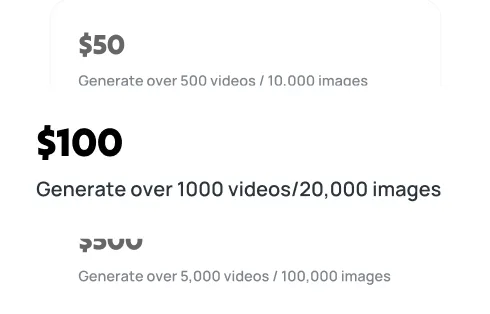
To avoid the 'unlimited plan' trap, we suggest using our flexible pay-as-you-go pricing. This allows you to scale up during heavy production periods and scale down when the work is done, without being locked into a subscription that might freeze your account unexpectedly. This level of control is why many developers are migrating their Higgsfield Standard api calls to our infrastructure, where billing is clear and usage is tracked in real-time.