


Agentic ai Computer Use
Harness the ai claude opus 4.1 for automation. This claude model excels at opus tool calling. Version 4.1 enables the ai to navigate interfaces and execute multi-step engineering workflows.
file
text
File Analysis
curl --request POST "https://gptproto.com/v1/messages" \
  --header "Authorization: Bearer $GPTPROTO_API_KEY" \
  --header "Content-Type: application/json" \
  --header "anthropic-version: 2023-06-01" \
  --data '{
    "model": "claude-opus-4-1-20250805",
    "max_tokens": 1024,
    "messages": [
      {
        "role": "user",
        "content": [
          {
            "type": "text",
            "text": "Please analyze this PDF document and provide a summary of its content"
          },
          {
            "type": "document",
            "source": {
              "type": "url",
              "url": "https://tos.gptproto.com/resource/gptproto.pdf"
            }
          }
        ]
      }
    ]
}'Explore the technical pillars of the ai claude opus 4.1. This claude model provides opus-tier tools and 4.1 version accuracy to ensure your ai applications meet the highest industry standards.
Harness the ai claude opus 4.1 for automation. This claude model excels at opus tool calling. Version 4.1 enables the ai to navigate interfaces and execute multi-step engineering workflows.
Process massive data with ai claude opus 4.1. This claude model handles opus-sized 200k token contexts. Version 4.1 allows the ai to synthesize thousands of pages for strategic legal analysis.

The ai claude opus 4.1 sees detail. This claude model analyzes blueprints and frames with opus clarity. Version 4.1 ensures the ai identifies visual patterns across complex technical charts.

The ai claude opus 4.1 delivers elite reasoning. This claude model provides opus level logic for 4.1 version tasks, achieving 68.4% on GPQA Diamond for superior scientific problem-solving.

Getting a claude-opus-4-1-20250805 API key takes four steps and a few minutes. Create a free GPTProto account, add credits, generate your key, and make your first call — at $12 / $60 it's a cheaper claude-opus-4-1-20250805 API key than going direct, and one key works across every model on the platform. Full claude-opus-4-1-20250805 Documentation is in the docs.

Sign up
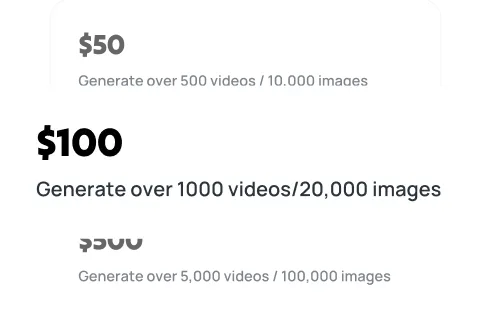
Top up
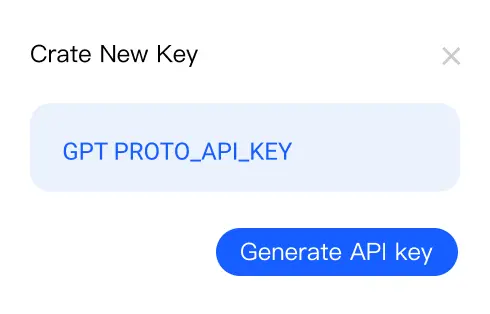
Generate your API key
Make your first API call
Get technical insights into the ai claude opus 4.1. We explain how this claude model leverages opus 4.1 capabilities to handle 200k tokens and advanced agentic reasoning for your enterprise.

Explore how Claude Opus 4.6 revolutionizes software architecture with a 1M context window and agentic capabilities. Discover its true coding power today!

Discover how Claude Opus 4.6 is revolutionizing AI development with its massive 1-million-token context window and record-breaking agentic performance benchmarks. Learn how to leverage agent-teams for autonomous coding and complex problem-solving workflows.

Discover how the clash between Claude Opus 4.6 and GPT-5.3-Codex is ushering in the era of Vibe Coding. This guide breaks down the new features in AI programming, from massive context windows to recursive self-debugging, making app development more accessible than ever.

Learn how to use Claude Code step by step, from installation to writing your first prompt. Discover how GPT Proto makes Claude API access faster, cheaper, and more reliable for every developer.