Why the Longcat Image Series is a Breakthrough
I have spent years watching tech giants release massive models that most of us can't even run. But then something like the longcat image series from Meituan drops, and it changes the conversation. It is not just another 100B parameter monster that requires a server farm.
Meituan, usually known for food delivery, has built a 6B parameter diffusion core that punches way above its weight. The longcat image models are proving that you do not need size to win at photorealism. Efficiency is becoming the new gold standard in the AI world.
The Efficiency of the 6B Longcat Image Core
Here is the thing about the longcat image 6B parameter model: it outperforms many larger competitors. It manages to balance strong efficiency with high photorealism. Many users find that this smaller footprint makes the longcat image easier to deploy in diverse environments.
When you look at the benchmarks, it matches Nano Banana on image editing tasks. It also stands on par with Qwen-image for text-to-image generation. This efficiency makes it a top choice for developers who need a reliable longcat image for their specific projects.
Photorealism Standards in a Modern Longcat Image
The photorealism in a longcat image is not just marketing hype; it is a technical reality. The model handles textures and lighting with a level of precision that surprised the open-source community. It renders skin tones and environments better than some models twice its size.
And because it focuses on a streamlined architecture, the longcat image generates these visuals without the bloat. You get professional-grade results without the typical performance lag. It is a refreshing shift in the AI industry where "bigger" usually means "slower."
The longcat image 6B model demonstrates that smart architecture can beat raw parameter counts every single time.
- High-quality text-to-image generation
- State-of-the-art image editing capabilities
- Bilingual text rendering (Chinese and English)
- Extreme inference speed in the Turbo variant
Core Concepts of the Longcat Image Architecture
Understanding the longcat image requires looking under the hood of its diffusion core. It uses a refined approach to processing visual data that minimizes noise more effectively. This allows the longcat image to maintain structural integrity even during complex edits.
The developers at Meituan focused on making the longcat image versatile for both global and local tasks. Whether you are changing a whole scene or just one object, the logic remains consistent. This predictability is what makes the longcat image a favorite for professional AI workflows.
The 6B Parameter Diffusion Logic in Longcat Image
The core of every longcat image is the 6B parameter diffusion core. This size is a deliberate choice to ensure it remains accessible while staying powerful. It processes instructions with a deep understanding of spatial relationships within the longcat image frame.
For developers, this means the longcat image is less of a "black box" than larger models. You can predict how it will react to different prompts. This reliability is essential when you are integrating the longcat image into a production-grade AI application.
Bilingual Text Rendering with Longcat Image
Rendering text has always been a nightmare for diffusion models, but not for the longcat image. It handles both Chinese and English instructions with remarkable accuracy. You can actually create posters using a longcat image without the text looking like gibberish.
It supports accurate typography and spatial placement, which is a massive win for designers. Most AI tools struggle with bilingual balance, but the longcat image excels here. It is one of the few models where the longcat image output actually matches your specific text requirements.
| Feature |
Longcat Image 6B |
Qwen-image |
Nano Banana |
| Text-to-Image |
On Par |
On Par |
N/A |
| Image Editing |
SOTA |
Competitive |
Matches |
| Text Rendering |
Excellent |
Good |
Average |
Step-by-Step Guide to Longcat Image Editing
Using the longcat image for editing is where the real fun begins. The LongCat-Image-Edit-Turbo version is particularly impressive because it is a distilled model. It reaches state-of-the-art performance in only 8 inference steps, which is incredibly fast for any AI tool.
If you want to try this, you can read the full API documentation to see how to trigger these edits programmatically. The longcat image editing suite allows for global changes, like season swaps, and local changes, like replacing an object. It is a very flexible system.
Global and Local Editing via Longcat Image
Global editing in a longcat image means you can change the entire mood of a shot. You can swap a summer scene for a snowy winter landscape in seconds. The longcat image maintains the lighting consistency across the entire frame during these massive shifts.
Local editing with the longcat image is just as powerful. You can pinpoint a specific area, like a person's clothes, and change the material. The longcat image understands how that new material should interact with the surrounding shadows and light sources.
Outpainting and Material Swaps in Longcat Image
Outpainting is a standout feature of the longcat image toolkit. It allows you to extend the borders of an existing longcat image naturally. The model "hallucinates" the extended background so well that you cannot see the original seam.
Material swaps are another area where the longcat image shines. You can turn a wooden chair into a marble one with a simple prompt. The longcat image ensures the texture looks tactile and realistic, which is a huge hurdle for most AI models.
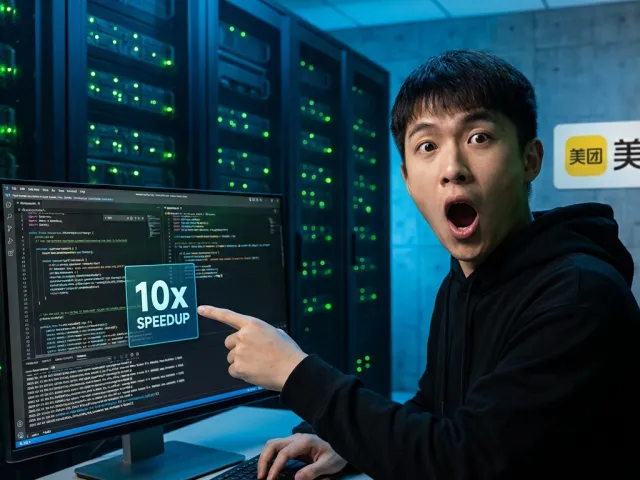
The Turbo variant of the longcat image offers a 10x speedup, making real-time editing a genuine possibility for the first time.
- Load your base longcat image into the editing pipeline.
- Define your mask for local edits or leave it for global changes.
- Input your text prompt in English or Chinese.
- Run the 8-step inference for a quick longcat image preview.
Common Mistakes and Pitfalls with Longcat Image
It is not all sunshine and rainbows with the longcat image. One of the biggest complaints I see is the VRAM requirement. Some users report needing up to 56 GB of VRAM for the best performance with a longcat image, which is a high bar.
If you aren't careful with your hardware, you will run into errors quickly. Running the longcat image on consumer-grade hardware requires some specific tricks. You need to understand how the AI manages its memory to get the best out of your longcat image experience.
Managing the VRAM Hunger of Longcat Image
The 56 GB VRAM rumor has scared a lot of people away from the longcat image. But here is the reality: you can run it on 16 GB if you enable CPU offloading. It slows down the longcat image process, but it makes it accessible.
Many beginners forget to toggle these optimization settings and then get frustrated. If your longcat image generation is crashing, check your memory allocation first. Managing your AI resources is a skill that every developer needs to master when using the longcat image.
Confusion Between Z-Image and Longcat Image
There is some noise in the community about the longcat image being related to Z-Image. Let's clear that up: they are completely different models. Some spam posts have tried to link them, which has led to confusion for people searching for a longcat image.
Always verify your source when downloading a longcat image model. Stick to official repositories like Meituan's GitHub or HuggingFace to avoid bad versions. Trust is the most important factor when you are integrating a new AI API into your stack.
If you're finding the hardware costs of running these models locally too high, you might want to flexible pay-as-you-go pricing models. GPT Proto allows you to use powerful AI models without worrying about owning a 56 GB VRAM card.
Expert Tips and Best Practices for Longcat Image
To get the most out of a longcat image, you need to think like a practitioner. Don't just throw prompts at it; understand the spatial instructions it likes. The longcat image responds best to clear, descriptive language that mentions both the subject and the environment.
I also recommend testing the bilingual capabilities even if you only speak one language. Sometimes the longcat image processes spatial cues better when given a multi-language context. It is one of those weird AI quirks that makes the longcat image unique.
Optimizing Performance for Longcat Image
Always use the Turbo variant for your longcat image if speed is a priority. Those 8 inference steps are a game-changer for iterative design. You can track your AI model API calls to see just how much time you save with the Turbo longcat image.
If you are doing heavy editing, use the CPU offloading selectively. Only offload parts of the longcat image pipeline that aren't time-critical. This keeps the longcat image generation feeling snappy while staying within your hardware limits.
Future-Proofing with Longcat Image Updates
The roadmap for the longcat image is actually quite exciting. The developers are planning to upgrade the text encoder to Qwen 3 VL soon. This will likely make the longcat image even better at understanding complex, multi-modal prompts.
By learning the current longcat image structure, you are setting yourself up for these future upgrades. The API patterns likely won't change drastically. So, getting comfortable with the longcat image now is a smart long-term move for any developer.
- Use the Turbo model for rapid prototyping of a longcat image.
- Experiment with bilingual prompts for better text spatiality.
- Stay updated on the Qwen 3 VL encoder transition.
- Monitor VRAM usage closely to avoid runtime crashes.
What is Next for the Longcat Image Ecosystem
We are just scratching the surface of what the longcat image can do. Meituan has already hinted that multi-image editing is the top priority for the next release. This will allow for consistent styles across an entire gallery of longcat image outputs.
As the longcat image matures, we will likely see more integrations into professional video suites too. The underlying technology is already being adapted for video processing. The longcat image is not just a static tool; it is a evolving AI platform.
The Roadmap for Longcat Image Development
Multi-image editing will change how we handle consistency in AI art. Imagine being able to edit ten different longcat image frames at once with one command. That is the level of automation the developers are aiming for with the longcat image.
The shift to the Qwen 3 VL encoder will also be a major milestone for the longcat image. It will bridge the gap between vision and language even further. This makes the longcat image a strong contender for the most versatile 6B model on the market.
Integrating Longcat Image into Professional Workflows
Professionals should start thinking about how to browse longcat image and other models within a unified dashboard. Having access to the longcat image alongside other top AI models like Claude or GPT-4 is powerful. It allows you to pick the right tool for the job.
The longcat image is particularly useful for niche tasks like text removal or season changes. These are tedious in Photoshop but take seconds with a longcat image. It is all about finding where the longcat image fits into your specific creative pipeline.
The transition to multi-image support will make the longcat image a primary tool for animation and storyboard artists.
If you're looking to scale your use of models like these, GPT Proto provides a unified API interface that makes it easy to experiment. You can get up to 70% discount on mainstream AI APIs, which helps you save budget while you wait for the longcat image to fully mature.
Written by: GPT Proto
"Unlock the world's leading AI models with GPT Proto's unified API platform."