Understanding What Creashort Ai Brings to the Content Table
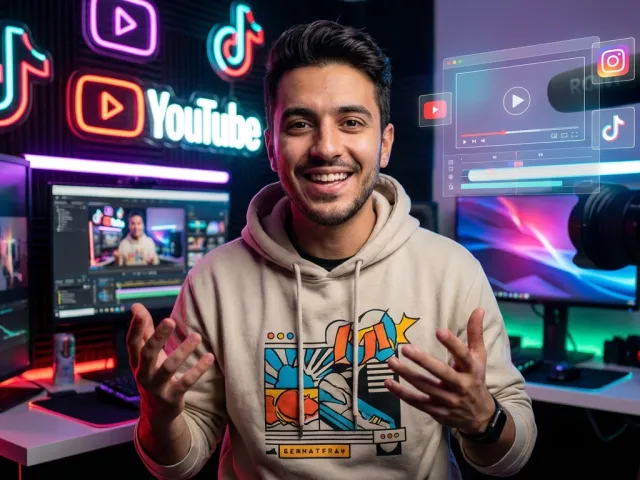
If you've spent any time trying to grow a TikTok or YouTube Shorts channel, you know the grind is real. The manual process of scripting, finding footage, and syncing audio is a massive time sink. This is where creashort ai enters the conversation as a specialized tool designed to automate the heavy lifting.
Most creators struggle with consistency because editing takes hours for a sixty-second clip. The promise of creashort ai is simple: turn a prompt or a script into a finished video without opening a single timeline in Premiere Pro. It’s about moving from a manual editor to a creative director role.
The Core Functionality of Creashort Ai for Creators
At its heart, creashort ai acts as a bridge between an idea and a rendered file. It handles the subtitle generation, stock footage selection, and voiceover synchronization. You aren't just getting a video; you're getting a workflow that mimics a professional editing team in a fraction of the time.
What makes creashort ai stand out is its focus on the "short" format. While other platforms try to do everything, this tool leans into the vertical video trend. It understands the pacing and visual hooks required to keep someone from scrolling past your content on a mobile device.
Why Professionals are Moving Toward Creashort Ai Automation
The content landscape is shifting toward volume. To stay relevant, brands often need to post daily across multiple platforms. Using creashort ai allows for this scale without the overhead of hiring five full-time editors. It’s an efficiency play that actually pays off in reach.
And here is a pro tip: if you are looking to scale this even further via API, you should explore all available AI models to see how they can complement your video generation stack. Having the right backend makes a world of difference when generating hundreds of clips.
Real-world video automation isn't about replacing creativity; it's about removing the friction that stops you from being creative in the first place.
How to Get Started and Set Up Creashort Ai for Success
Setting up your first project in creashort ai isn't particularly difficult, but doing it right saves you a lot of headache later. You start by defining your niche. The platform needs to know if you're making motivational quotes, news updates, or educational "did you know" facts.
Once you've picked a direction, the creashort ai interface guides you through the prompt phase. This is where you tell the engine exactly what the video should be about. Don't be vague. The more specific your input, the better the AI-generated script will perform on camera.
Configuring Your First Project Within Creashort Ai
When you start a project, you'll choose your voiceover and background music. The creashort ai library is fairly deep, but you want to pick sounds that match the energy of your brand. A slow, calm voice won't work for a "Top 5 Scariest Places" video.
After the initial generation, creashort ai lets you tweak the results. This is the part most people skip, but it's vital. You can swap out stock clips that don't quite fit or adjust the timing of the captions to ensure they don't cover important visual elements.
Connecting Your Tech Stack to Creashort Ai
For those running large-scale operations, you might want to automate the trigger for your videos. Many advanced users use an API to feed prompts into their video engine. If you're managing multiple tools, you can manage your API billing in one place to keep your costs transparent.
Consistency is key here. If you set up a pipeline where your blog posts are automatically summarized and sent to creashort ai, you've created a perpetual content machine. That’s the level of automation that separates the hobbyists from the professional media houses.
- Choose a specific niche for better AI context.
- Use detailed prompts to avoid generic scripts.
- Review every clip before hitting export.
- Sync your background music to the video's emotional tone.
Key Features Walkthrough of the Creashort Ai Platform
The feature set in creashort ai is tailored for speed. One of the standout elements is the "Script-to-Video" engine. This isn't just a basic text overlay; it actually analyzes the sentiment of your script and tries to find footage that matches the mood and topic accurately.
Another major highlight is the automated captioning system. In the world of TikTok and Reels, captions are non-negotiable. The way creashort ai handles these—with kinetic typography and highlighting—is exactly what the current algorithms favor for high retention rates.
The AI Voiceover Engine Powering Creashort Ai
Gone are the days of the robotic, "Siri-style" voices that everyone hates. The voices inside creashort ai sound remarkably human. They include natural pauses, inflections, and various accents that help your content feel less like a bot made it and more like a person narrated it.
If you're a developer or a high-volume agency, you might want to read the full API documentation to understand how these voice and video assets can be triggered programmatically. This allows for deep integration into your existing content management systems.
Stock Media Integration and Selection in Creashort Ai
Finding the right visuals is usually the hardest part of editing. The creashort ai platform taps into massive libraries of royalty-free footage. It does the searching for you, tagging clips based on the keywords found in your generated script, which is a massive time-saver.
However, you have to be careful with the "AI" selection sometimes. Occasionally, creashort ai might pick a clip that is a bit too literal. A quick manual swap within the editor ensures that the visual metaphor stays on point and keeps the audience engaged throughout the video.
| Feature |
Primary Benefit |
Best For |
| Automated Scripting |
Saves hours of writing |
Faceless Channels |
| Kinetic Captions |
Increases viewer retention |
TikTok/Reels |
| Voice Cloning |
Personalized branding |
Influencers |
| API Access |
Scalable production |
Marketing Agencies |
Real-World Use Cases for Creashort Ai Content Generation
So, who is actually using this? The most common use case for creashort ai is the "Faceless Channel." These are creators who don't want to show their faces but want to dominate niches like personal finance, historical facts, or daily news summaries.
Marketing teams are also jumping on the bandwagon. They use creashort ai to turn customer testimonials or product features into quick social ads. It’s a low-cost way to test different hooks and see what resonates with an audience before spending a lot on professional production.
Educational and Explainer Content via Creashort Ai
Teachers and trainers are using creashort ai to make learning more digestible. By taking a complex topic and breaking it down into 60-second snippets, they can reach students on the platforms they already use. It turns a boring lecture into an engaging visual experience.
The "Did You Know" niche is particularly massive on social media right now. Using creashort ai, you can pump out five of these videos a day. This volume helps you hit the algorithm's sweet spot, increasing the chances of one of your clips going viral and building your following.
E-commerce and Product Showcases with Creashort Ai
If you run a Shopify store, you can use creashort ai to create daily product showcases. You don't need a studio. Just feed the product descriptions into the AI and let it generate a hype video. This keeps your social feeds fresh without requiring a full creative team.
For those keeping an eye on the bigger picture, check out the latest AI industry updates to see how other companies are integrating video automation. The tech is moving fast, and staying informed helps you pivot your strategy as new tools emerge.
The secret to social media success isn't just quality; it's the intersection of quality and consistent volume.
Limitations and Honest Alternatives to Creashort Ai
Let's be real for a second. While creashort ai is impressive, it isn't magic. One of the main limitations is the "AI look." Sometimes the stock footage can feel a bit generic if you don't take the time to customize the clips. It can start to look like everyone else’s content.
Another catch is creative control. If you are a director who needs every single frame to be perfect, creashort ai might frustrate you. It's built for speed and efficiency, not for making a cinematic masterpiece. You trade granular control for massive time savings.
Comparing Creashort Ai to Manual Editing Software
When you compare creashort ai to something like CapCut or DaVinci Resolve, the difference is the level of effort. Manual software gives you total freedom but demands hours of your life. The AI approach is about getting 80% of the way there in 5% of the time.
For many, that 80% is more than enough for social media. But if your brand identity relies on a very specific, unique visual style, you'll need to do more heavy lifting. You might use creashort ai for your drafts and then move to a manual tool for the final polish.
Technical Challenges and API Limitations in Creashort Ai
When you're scaling via API, you might hit rate limits or processing delays. No AI system is 100% up all the time. It’s important to have a backup plan. Understanding the technical constraints of creashort ai helps you manage your publishing schedule more effectively without missing deadlines.
And remember, the "AI" is only as good as the model powering it. If the underlying language model hallucinates a fact in your script, creashort ai will dutifully create a video with that false fact. You still need a human in the loop to verify the information before it goes live.
- Stock footage can sometimes feel repetitive.
- Scripting may require human fact-checking.
- Less control over specific frame-by-frame transitions.
- Processing times can vary based on server load.
Is It Worth It? The Final Verdict on Creashort Ai
Here’s the thing: if you are a solo creator or a small business owner, creashort ai is absolutely worth a look. The amount of time you save on the "busy work" of editing is worth the subscription price alone. It allows you to focus on the big ideas rather than the technical minutiae.
But there’s a catch. If you think you can just push a button and become a millionaire overnight, you’re mistaken. You still need to understand your audience. You still need to provide value. The creashort ai tool is an accelerator, not a replacement for a sound content strategy.
Cost vs. Time Analysis for Creashort Ai Users
When you look at the numbers, the ROI on creashort ai is usually clear. If an editor costs $30 an hour and takes three hours per video, that's $90 per clip. With this tool, you can generate that same clip for a fraction of that cost in minutes. The math almost always favors automation.
For agencies, this is a no-brainer. You can offer video services to clients who previously couldn't afford them. By utilizing the creashort ai workflow, you increase your margins and deliver content faster than your competitors who are still doing everything by hand.
The Future of Video Content and Creashort Ai Integration
We are moving toward a future where "AI" isn't a buzzword; it's just the default way we work. Tools like creashort ai are leading the charge. As the models get better, the gap between AI-generated and human-edited content will continue to shrink until it's almost invisible.
If you're serious about this path, you might want to look into GPT Proto. They offer up to a 70% discount on mainstream AI APIs and provide a unified interface for all the heavy hitters like OpenAI, Claude, and Gemini. It's the perfect backend for someone building their own version of a creashort ai workflow.
So, what’s the move? Start small. Run a few projects through creashort ai and see if the workflow fits your style. If it does, lean in. The creators who embrace these tools now are the ones who will own the attention economy in the years to come.
Written by: GPT Proto
"Unlock the world's leading AI models with GPT Proto's unified API platform."