


INPUT PRICE
Input / 1M tokens
text
OUTPUT PRICE
Output / 1M tokens
text


Grok 3 API: Performance, Pricing and Developer Access Guide
Evaluating the next generation of reasoning models starts with the Grok 3 model listing on GPTProto, where developers find stable endpoints for high-throughput applications.
Grok 3 Reasoning and Multimodal Capabilities
Grok 3 — a powerful large language model designed for deep reasoning and real-time context — pushes the boundaries of traditional AI assistants. Unlike models that rely on static training data, Grok 3 thrives on live information streams, making it a preferred choice for financial analysis, news synthesis, and trend forecasting. The model handles complex logic puzzles and coding tasks with a directness that characterizes the Grok 3 ai experience. Developers often note its distinct personality: blunt, efficient, and less prone to the verbose 'throat-clearing' common in other systems.
Grok 3 represents a shift toward active-intelligence models that prioritize live data connectivity over historical archiving. It's built for users who need the most current information available in the digital ecosystem.
Grok 3 Pricing and Moderation Costs
Understanding the Grok 3 pricing model is essential for managing API overhead. While token costs remain competitive for standard text generation, the Grok 3 api introduces specific fees that differ from industry norms. One notable aspect discussed in the community involves a $0.05 charge for every prompt rejected due to content moderation. This 'moderation tax' makes prompt engineering and pre-filtering critical for cost-sensitive projects. Additionally, latest Grok api updates suggest that image generation tasks cost approximately $0.07 per result, positioning Grok 3 as a mid-tier option for visual content creators.
Grok 3 vs Competitor Models: Benchmarks
When comparing Grok 3 against established players like GPT-4o or Claude 3.5 Sonnet, the Grok model often wins on speed and real-time accuracy. However, users should prepare for a stricter moderation layer. The Grok 3 api utilizes a two-pass moderation system that checks both the input prompt and the generated output, ensuring compliance but occasionally leading to higher latency during safety-sensitive queries. For developers who need flexible pay-as-you-go pricing, monitoring usage via a central dashboard is the best way to keep Grok 3 api calls within budget.
| Feature | Grok 3 API | GPT-4o API | Claude 3.5 Sonnet |
|---|---|---|---|
| Real-time Web Access | Native / Integrated | Search Plugin Required | Limited / Third-party |
| Moderation Fee | $0.05 per rejection | $0.00 | $0.00 |
| Image Cost | $0.07 per generation | Variable / DALL-E 3 | Not Available Native |
| Reasoning Style | Direct / Concise | Instruction-Following | Nuanced / Creative |
Grok 3 API Integration and Prompt Skills
Successful Grok 3 integration requires attention to the model's sensitivity to prompt structure. Using Grok 3 for coding or complex reasoning works best when instructions are explicit. Developers should avoid ambiguous phrasing to prevent accidental moderation triggers that incur fees. For those ready to build, read the full API documentation to understand header requirements and rate limits. The Grok 3 model supports various modalities, though video generation remains a higher-cost tier compared to standard Grok 3 reasoning tasks. Maintaining a clean prompt history and implementing local safety checks can significantly reduce Grok 3 api expenses.
Grok 3 System Prompt Optimization
Optimizing the Grok 3 system prompt involves setting clear boundaries for the model's 'personality' and output format. Since Grok 3 tends toward a more informal tone by default, explicitly requesting professional or academic styles is necessary for certain business use cases. This flexibility makes Grok 3 ai a versatile tool for diverse industries, from marketing to software engineering.
Stability and Latency in Grok 3 Production
Production environments benefit from the high-speed Grok 3 skills found in the latest version. Latency remains low for most text-based queries, provided the moderation pass doesn't hit a complex edge case. Users looking to monitor your API usage in real time will find that Grok 3 performance is consistent even during peak periods, making it a reliable pillar for customer-facing AI agents on the GPTProto intelligent AI agents platform.

Grok 3 Real-World Applications
Discover how Grok 3 powers complex workflows across industries.

Real-Time Financial Analysis
A fintech startup faced challenges with AI models providing outdated market data. By implementing the Grok 3 api, they achieved live data synthesis, allowing their agents to provide accurate investment insights based on the last 5 minutes of global news. This Grok 3 integration resulted in a 30% increase in user engagement.

Automated Content Creation with Visuals
A digital marketing agency needed to generate news-relevant social posts with accompanying images. Using Grok 3 model skills for text and image generation, they automated their workflow. Despite the $0.07 image cost, the agency reduced manual design time by 80%, leveraging Grok 3 ai for rapid trend response.

Advanced Debugging for Enterprise Software
An enterprise engineering team used Grok 3 for complex codebase refactoring. The challenge was identifying deep-seated logic flaws in legacy systems. The solution involved Grok 3 reasoning tasks to map data flows, leading to a 45% reduction in critical bugs during the quarterly release cycle.
Getting Started with GPT Proto — Build with grok 3 in Minutes
Follow these simple steps to set up your account, get credits, and start sending API requests to grok 3 via GPT Proto.
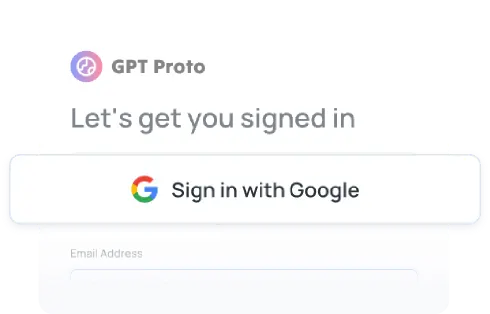
Sign up
Create your free GPT Proto account to begin. You can set up an organization for your team at any time.
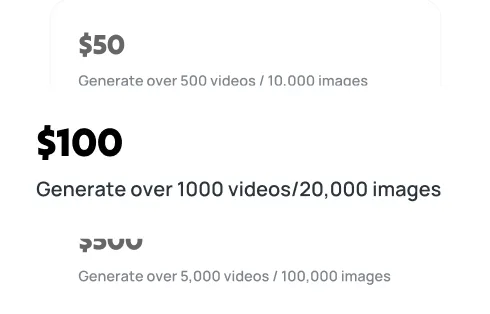
Top up
Your balance can be used across all models on the platform, including grok 3, giving you the flexibility to experiment and scale as needed.
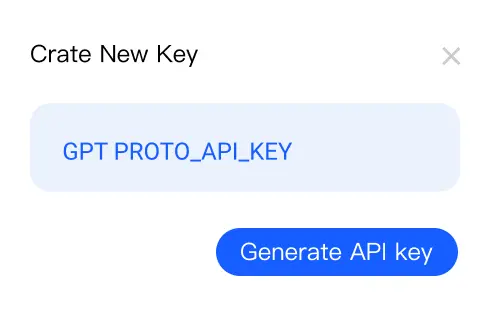
Generate your API key
In your dashboard, create an API key — you'll need it to authenticate when making requests to grok 3.
Make your first API call
Use your API key with our sample code to send a request to grok 3 via GPT Proto and see instant AI‑powered results.
Grok 3 API Frequently Asked Questions
Related Articles
More Blogs
xAI Grok API Pricing 2026: Models, Token Rates & Cost Guide
Wondering about xAI Grok API pricing in 2026? This guide breaks down every Grok model's token rates, subscription tiers, free credits, and how it stacks up against GPT and Claude — so you can pick the right plan without overpaying.
Grok Imagine: Master AI Art and Video
Discover how to use Grok Imagine, the powerful AI image and video generator. Learn about its key features, how to access it, and its practical applications.

Grok 4 API: A Guide to xAI Reasoning and Media
Explore the Grok 4 API for advanced reasoning, image, and video generation. Optimize your developer workflow and reduce costs. Get started with xAI now.

Monitoring grok server status: The Pulse of xAI Supercomputing
Stay updated on the grok server status to ensure your AI workflows remain seamless. Discover how xAI's infrastructure impacts performance and reliability.
Grok 3 User Reviews and Experiences